The chemistry of cold foil is the same across verticals: UV adhesive, vacuum-metallised carrier, instant cure, peel-and-overprint. What changes is substrate, speed, finish palette and regulatory overlay. The notes below capture the operating window we see most often on production presses across Europe.
Cosmetics & Beauty
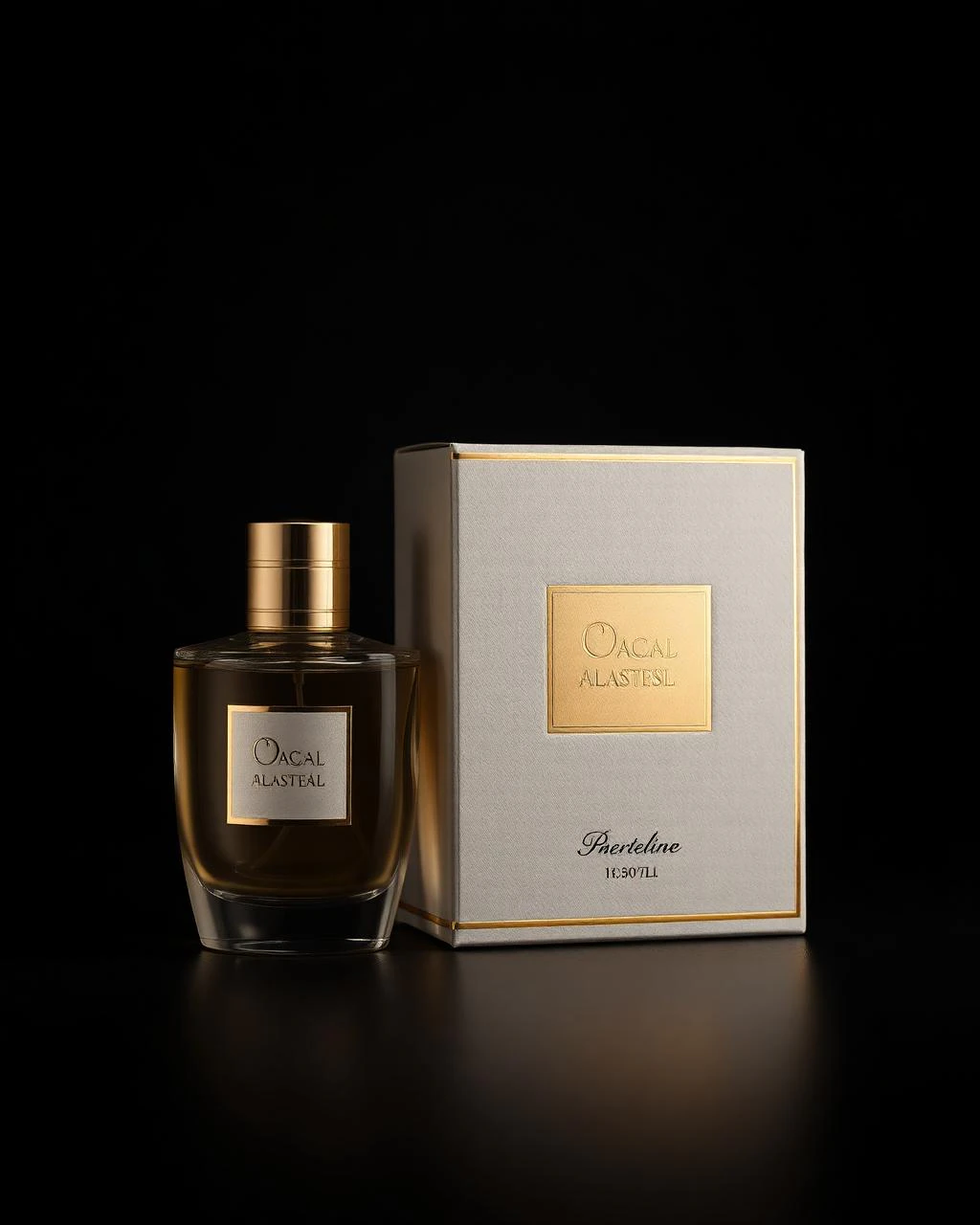
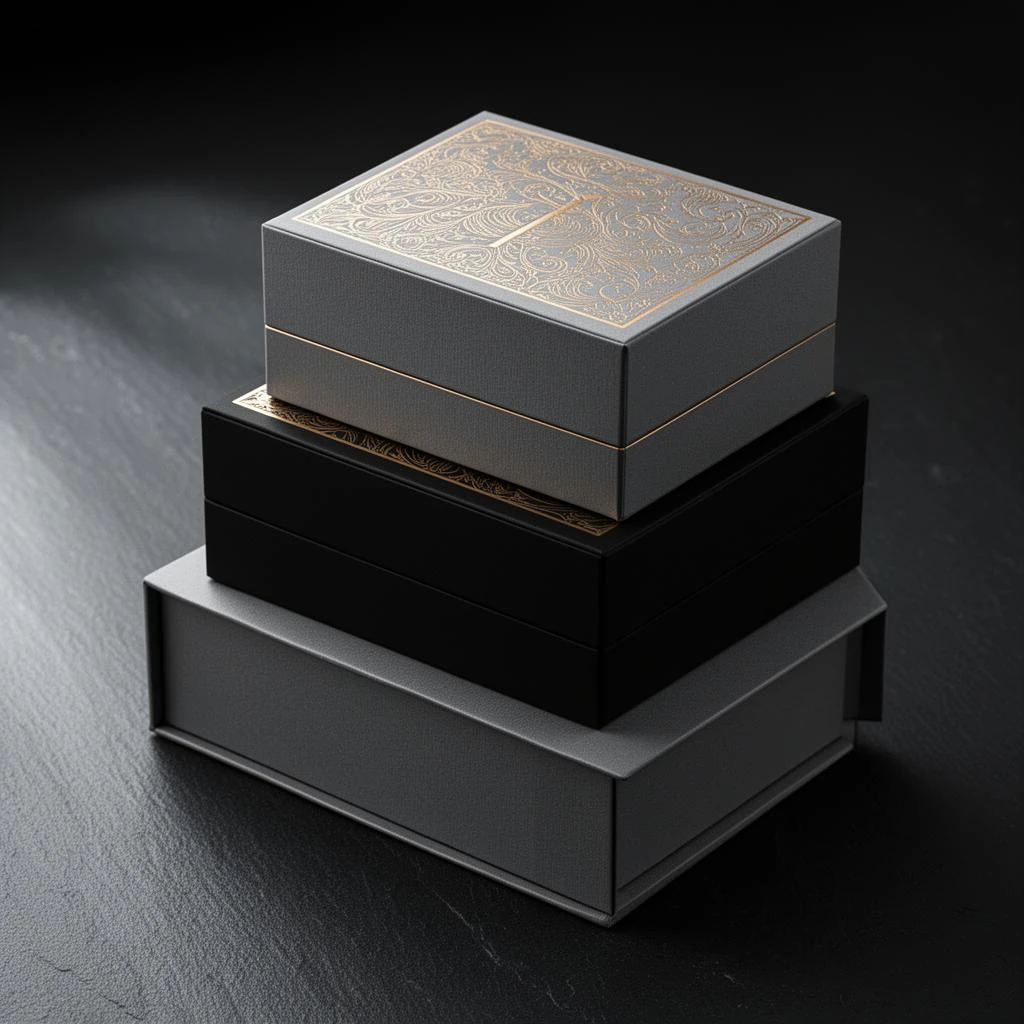
Cold foil stamping is the dominant decoration choice for premium skincare and prestige fragrance secondary packaging. Mirror-grade gold and silver finishes are flexo-printed in register with brand typography on coated SBS at 250–350 m/min, then overprinted in the same pass with transparent CMYK to create custom metallic hues — rose gold over magenta, champagne over warm yellow, deep emerald over teal. Because the foil is laid down inline, there is no make-ready offline at a hot stamping station, which collapses lead time from 7–10 days to 36–48 hours.
- — Substrate: 250–400 gsm SBS / FBB
- — Speed: 250–350 m/min
- — Typical foils: Bright Gold, Rose Gold, Champagne, Silver, Holographic
Wine, Spirits & Champagne
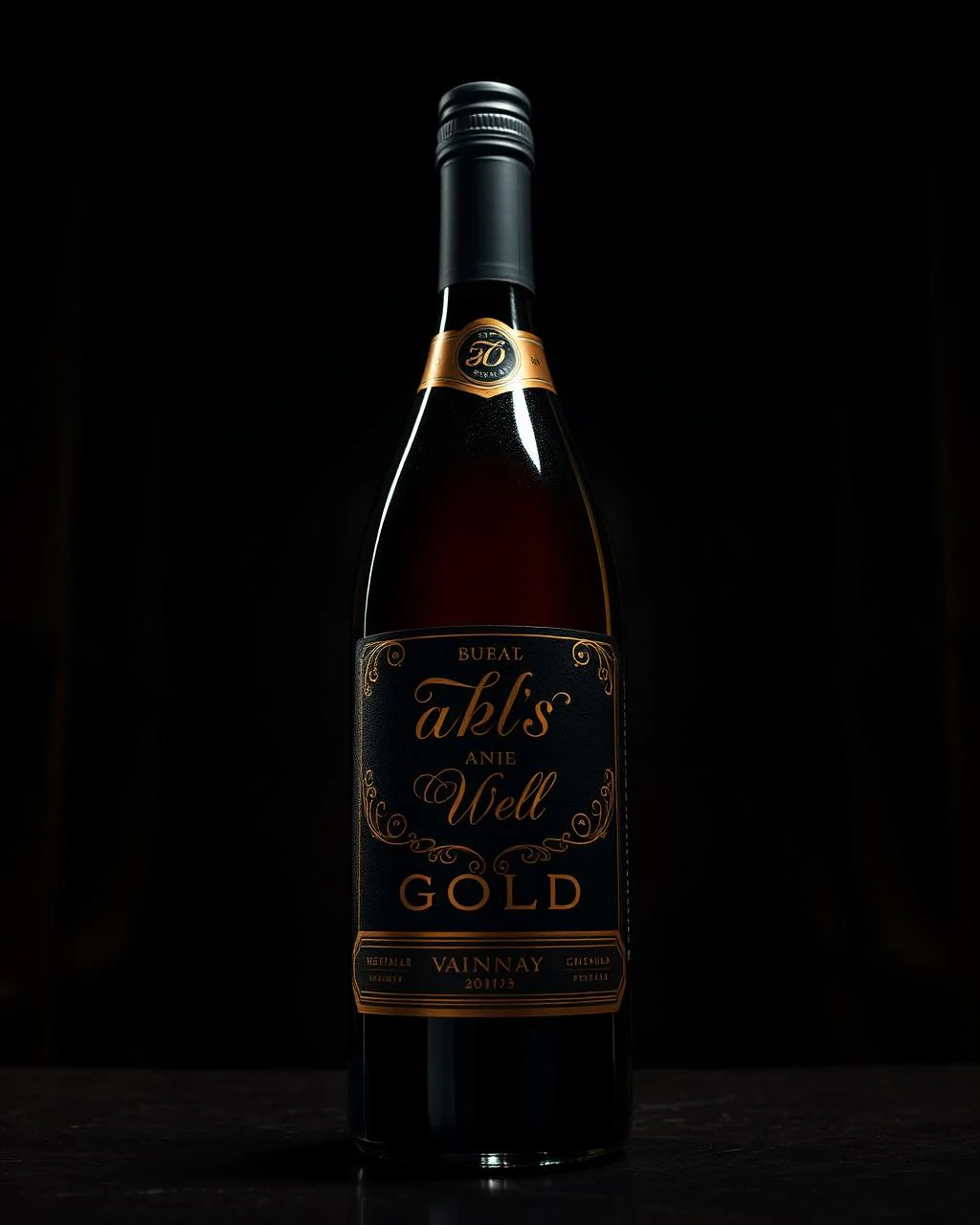
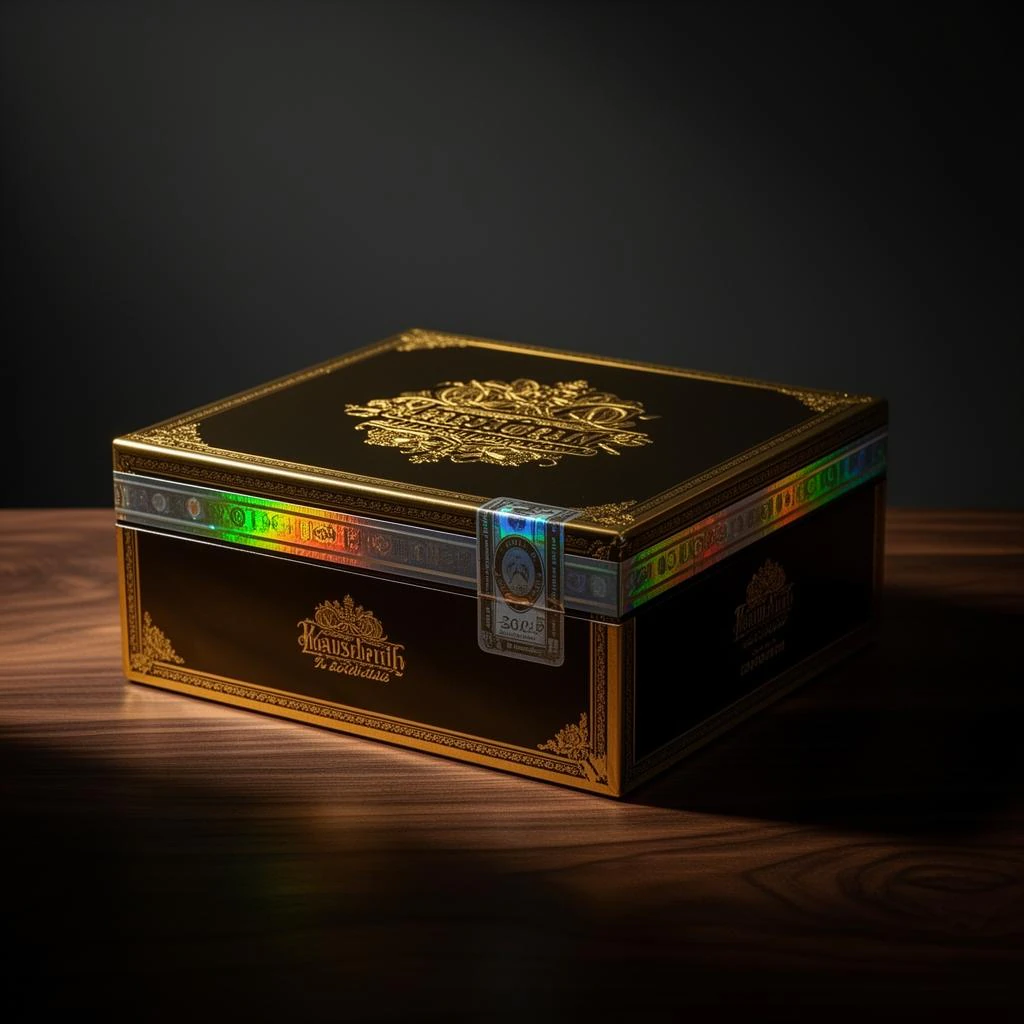
Wet-glue and pressure-sensitive labels for still wine, sparkling wine and premium spirits run at 80–180 m/min on narrow- and mid-web flexo. CFS holographic and rainbow cold foils give sommeliers and on-shelf shoppers an instant authenticity signal, and our cationic UV adhesive system survives ice-bucket immersion and cellar humidity without flagging. For Champagne capsules and back labels, we ship dedicated low-tack release tuned for thin coated stock.
- — Substrate: PSL papers, BOPP, metallised PET
- — Speed: 80–180 m/min
- — Typical foils: Holographic, Iridescent Pearl, Bright Gold, Matte Black
FMCG & Confectionery
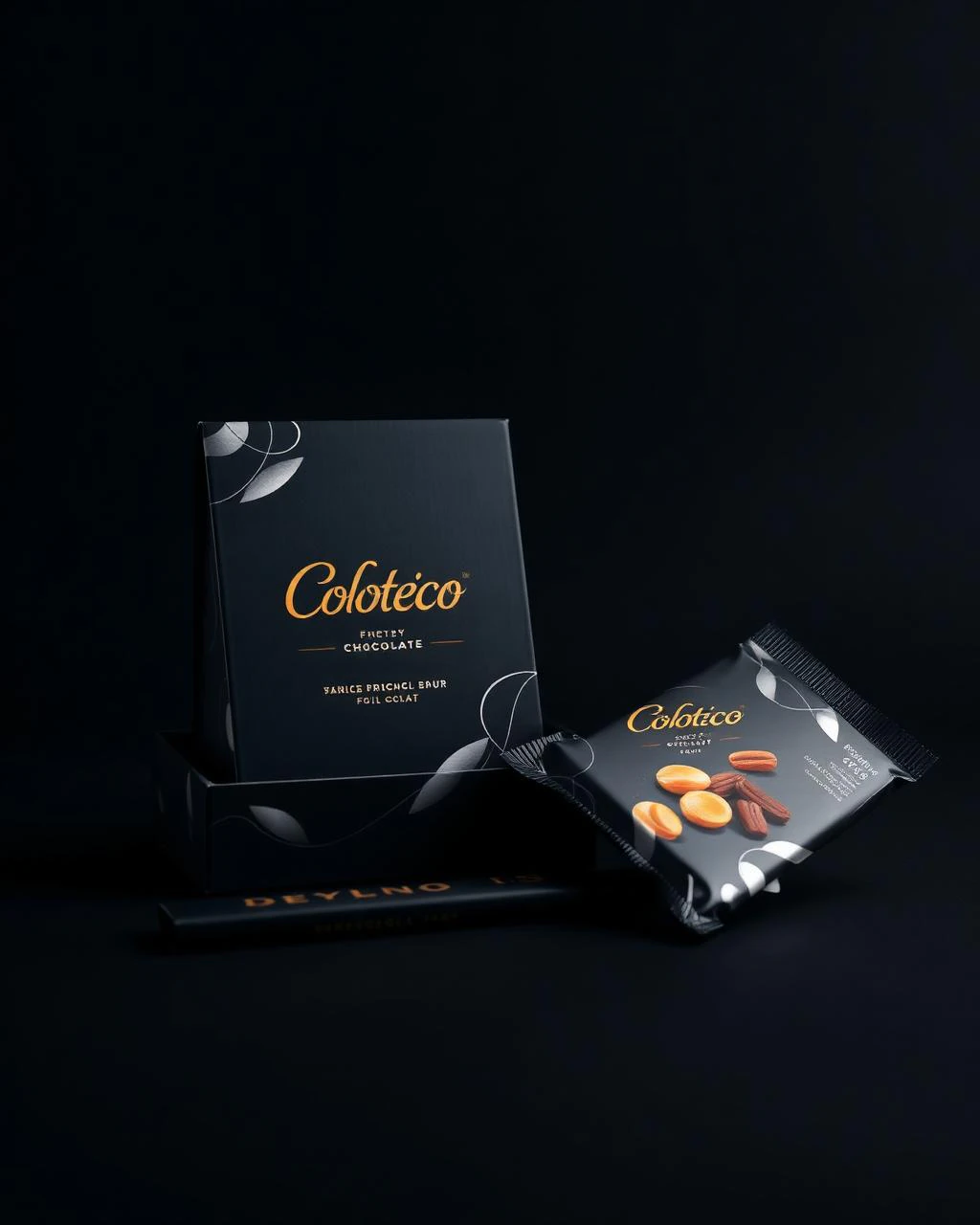
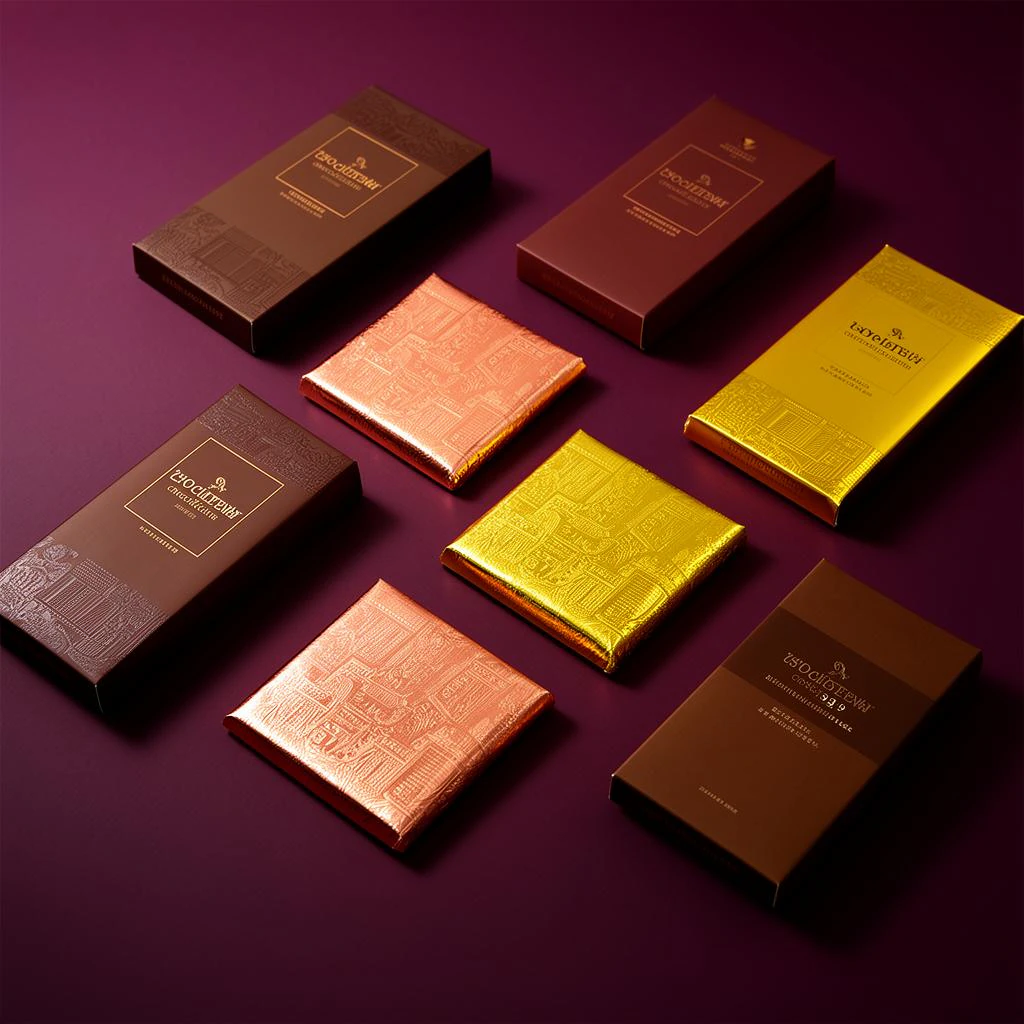
Fast-moving categories — biscuits, premium chocolate, tea, coffee, dairy — use cold foil to lift mass-market cartons into a 'gift-worthy' tier without rebuilding the supply chain. Inline cold foil on the same press that prints the four-colour design means a single SKU change order, not a parallel hot stamping run. Cold foil's resistance to friction marking during high-speed cartoning lines (12,000+ units/hour) is a measurable advantage versus hot foil's softer transferred layer.
- — Substrate: 230–350 gsm coated board
- — Speed: 300–450 m/min
- — Typical foils: Bright Gold, Copper, Silver, Pale Gold
Pharma & Healthcare
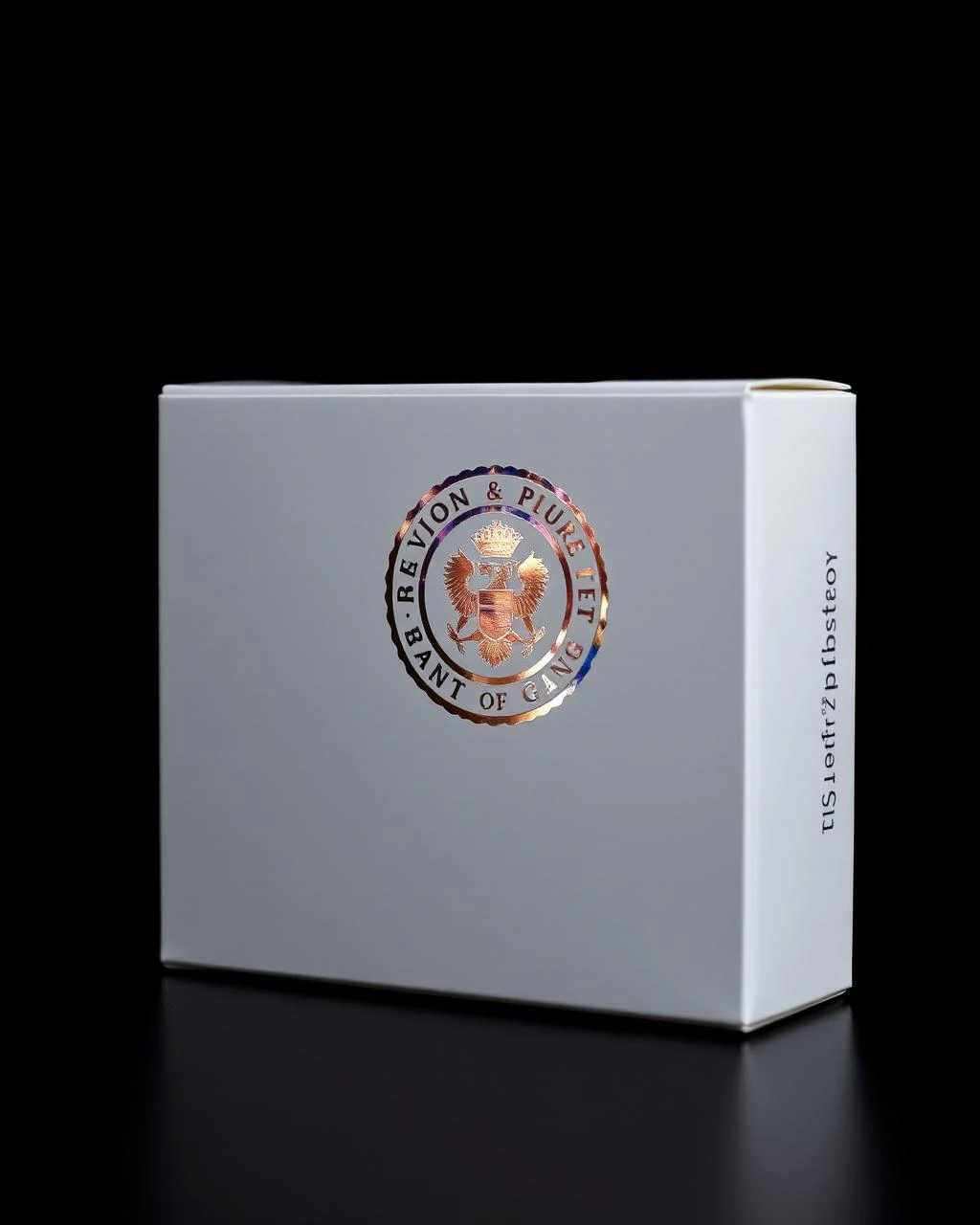
Anti-counterfeiting and tamper-evident requirements drive cold foil into pharmaceutical secondary packaging, OTC cartons and nutraceutical labels. Our holographic origination team produces custom 2D/3D security designs with covert and forensic features that pair with GS1 serialisation and EU FMD compliance. All pharma-grade foils are produced under ISO 15378 GMP for primary packaging components.
- — Substrate: 250–350 gsm pharma-grade SBS
- — Speed: 200–300 m/min
- — Typical foils: Custom Holographic, Bright Silver, Matte Silver