Full-spectrum play
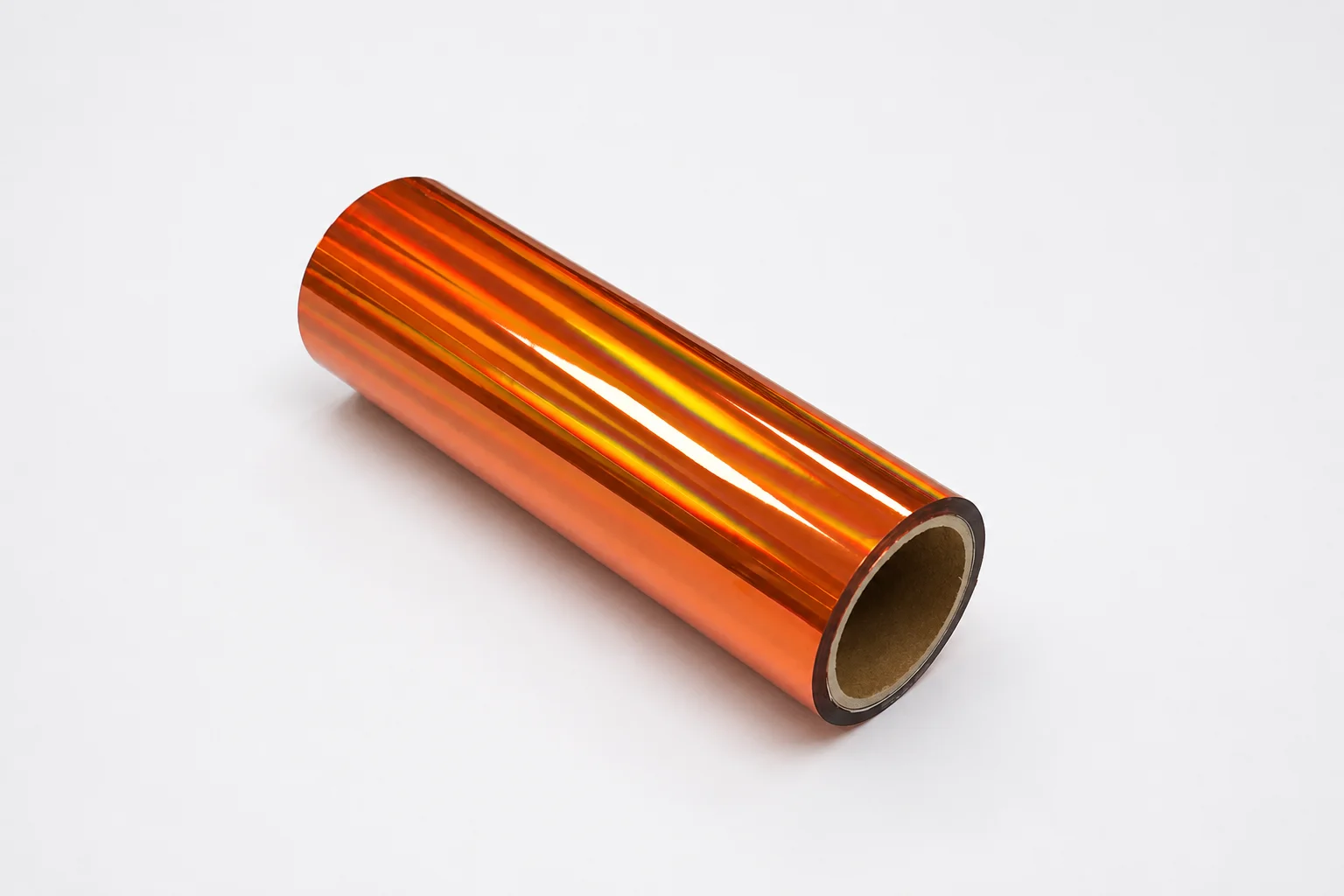
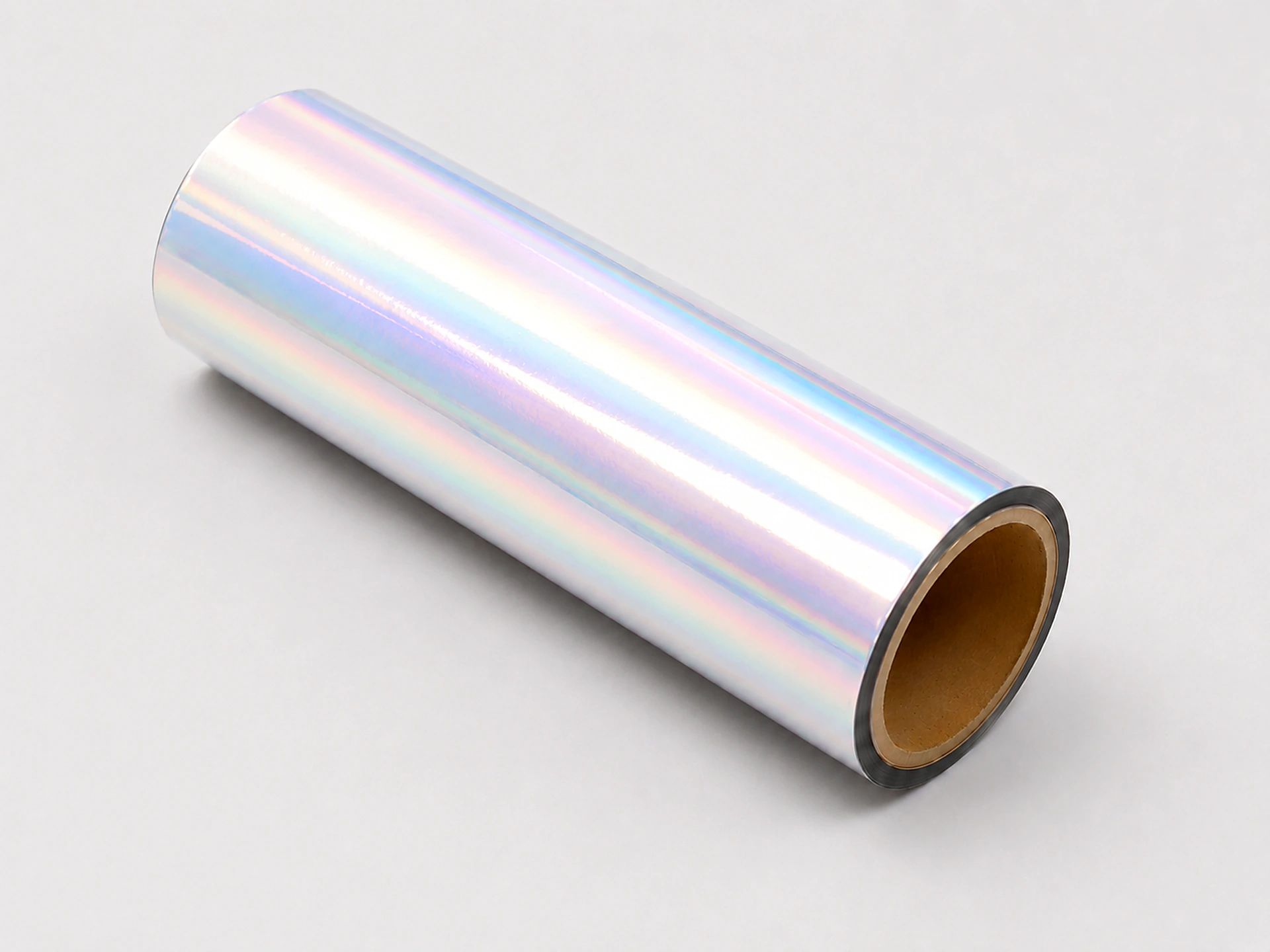
Micro-embossed diffraction grating produces 360° rainbow shift.
LM-HX / Spectrum
Quick answer
CFS supplies holographic cold foil rolls in rainbow, radial, starlight, pillar and custom-embossed patterns on 12, 19 and 23 µm PET carriers, slit 200–1,650 mm, MOQ 1,000 linear metres, with free trial rolls for qualified converters and 7–14 days ex-works on stock patterns.
Holographic is our diffraction-grade spectrum foil — engineered as both a statement aesthetic and an anti-counterfeit layer. The micro-embossed pattern produces full rainbow play across viewing angles, with brand-customizable diffraction matrices available on request.
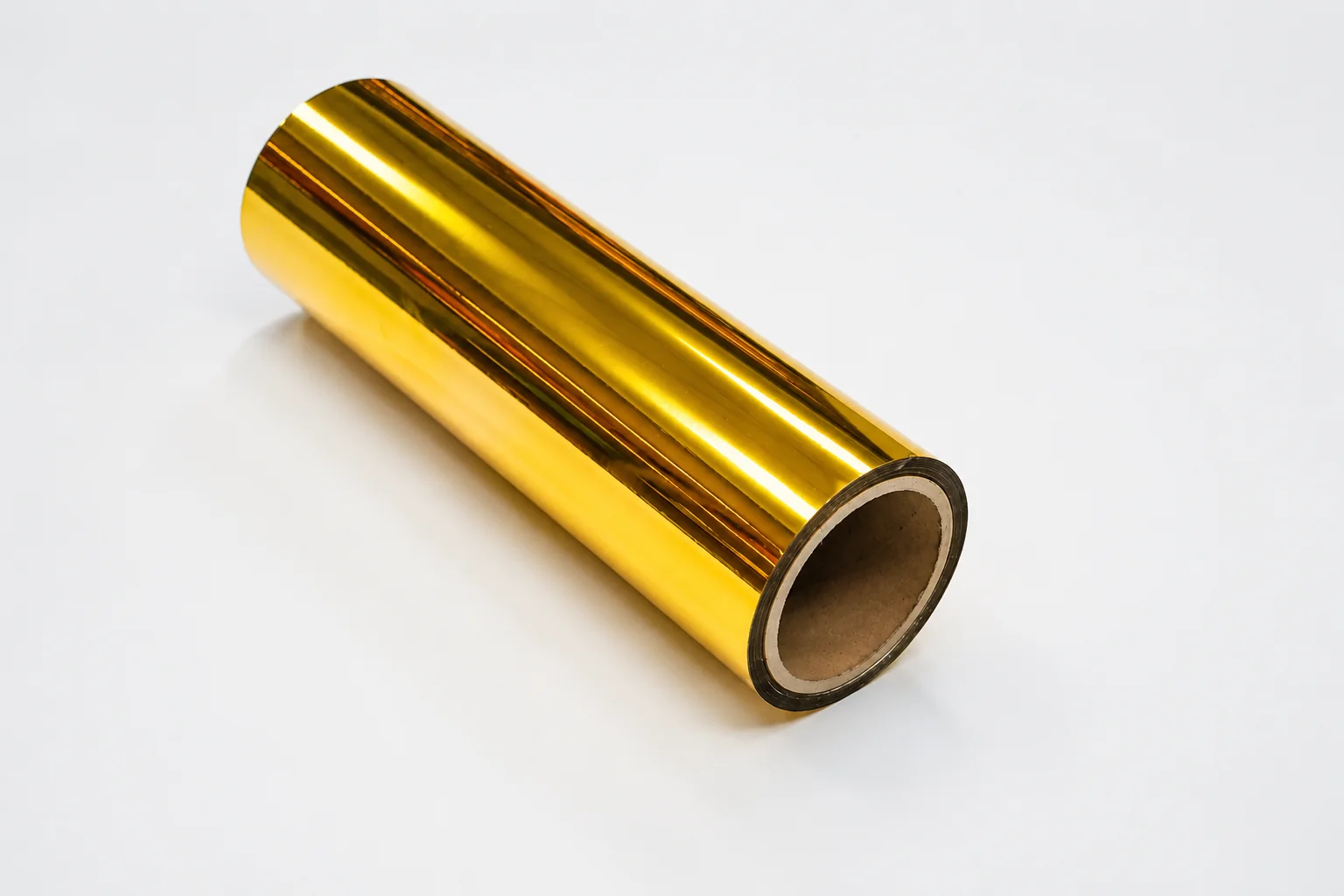
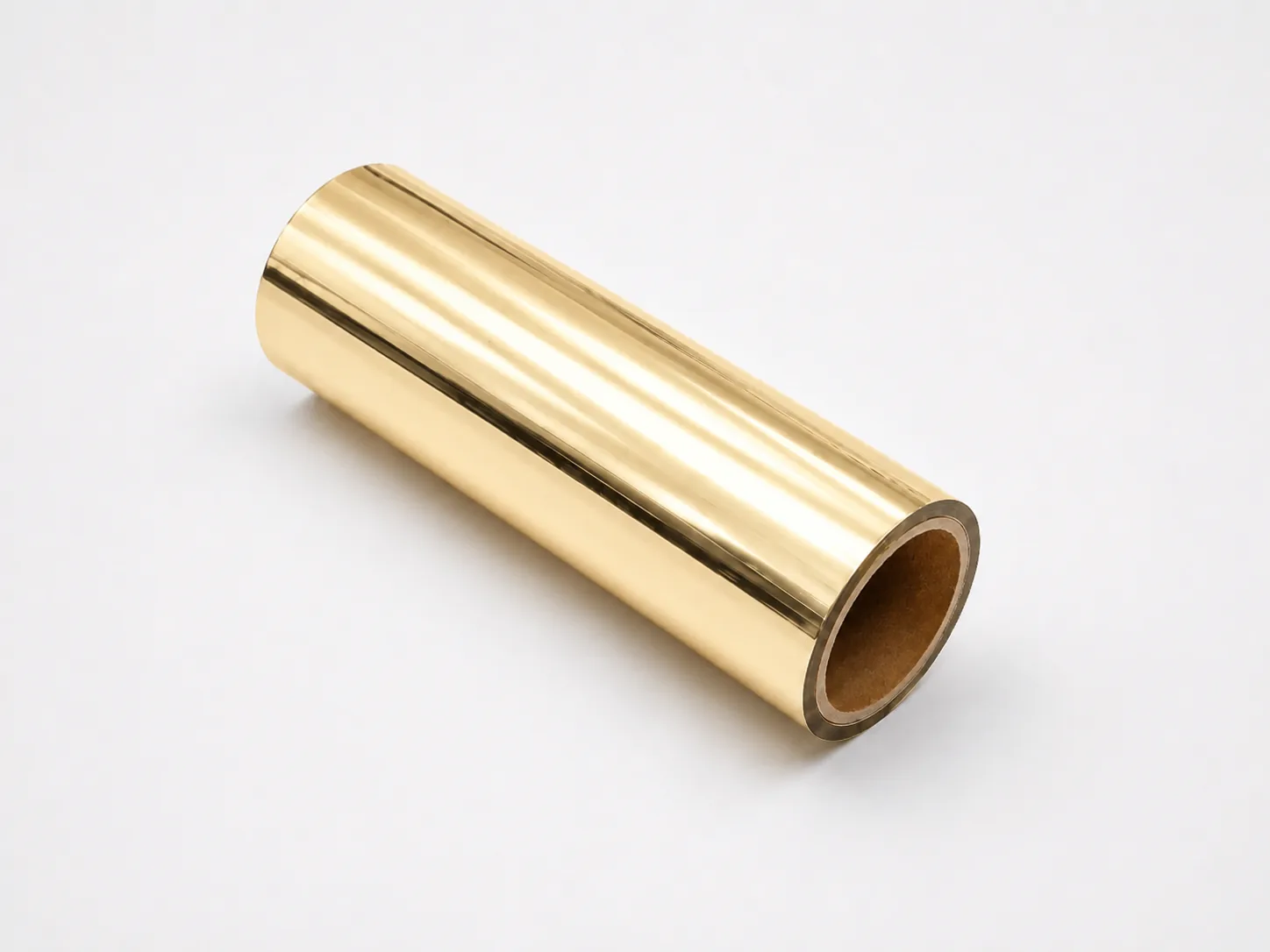
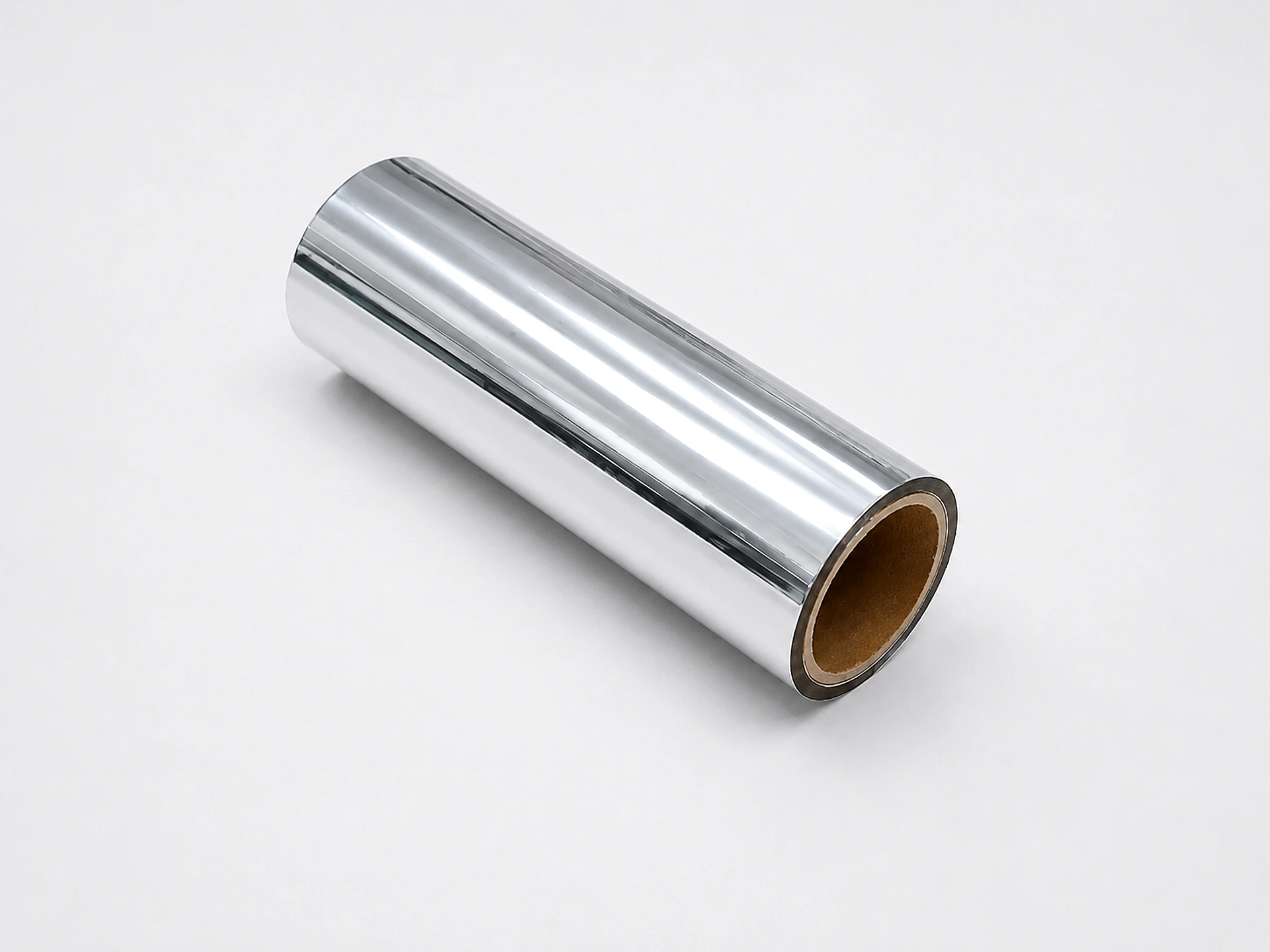
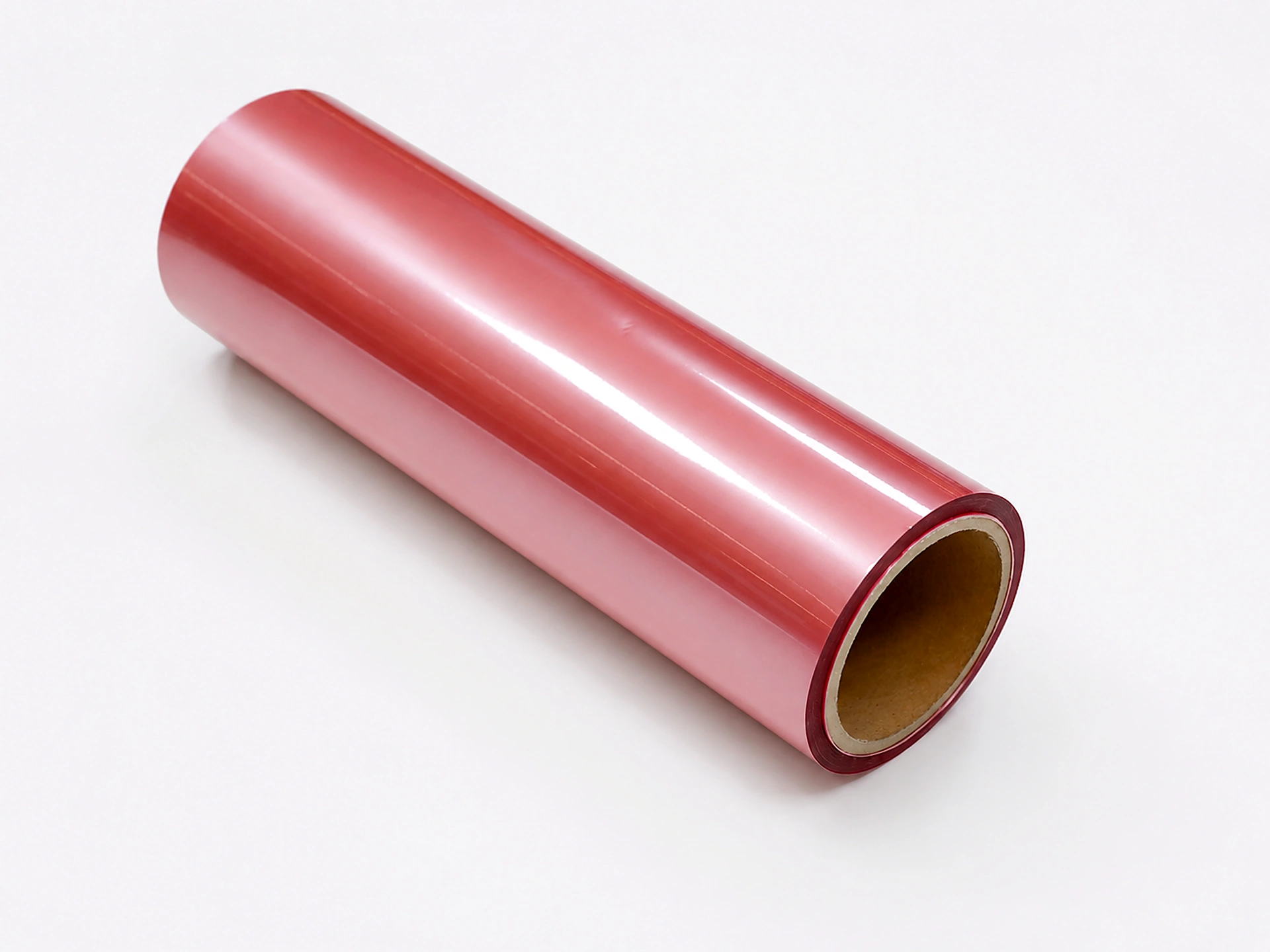
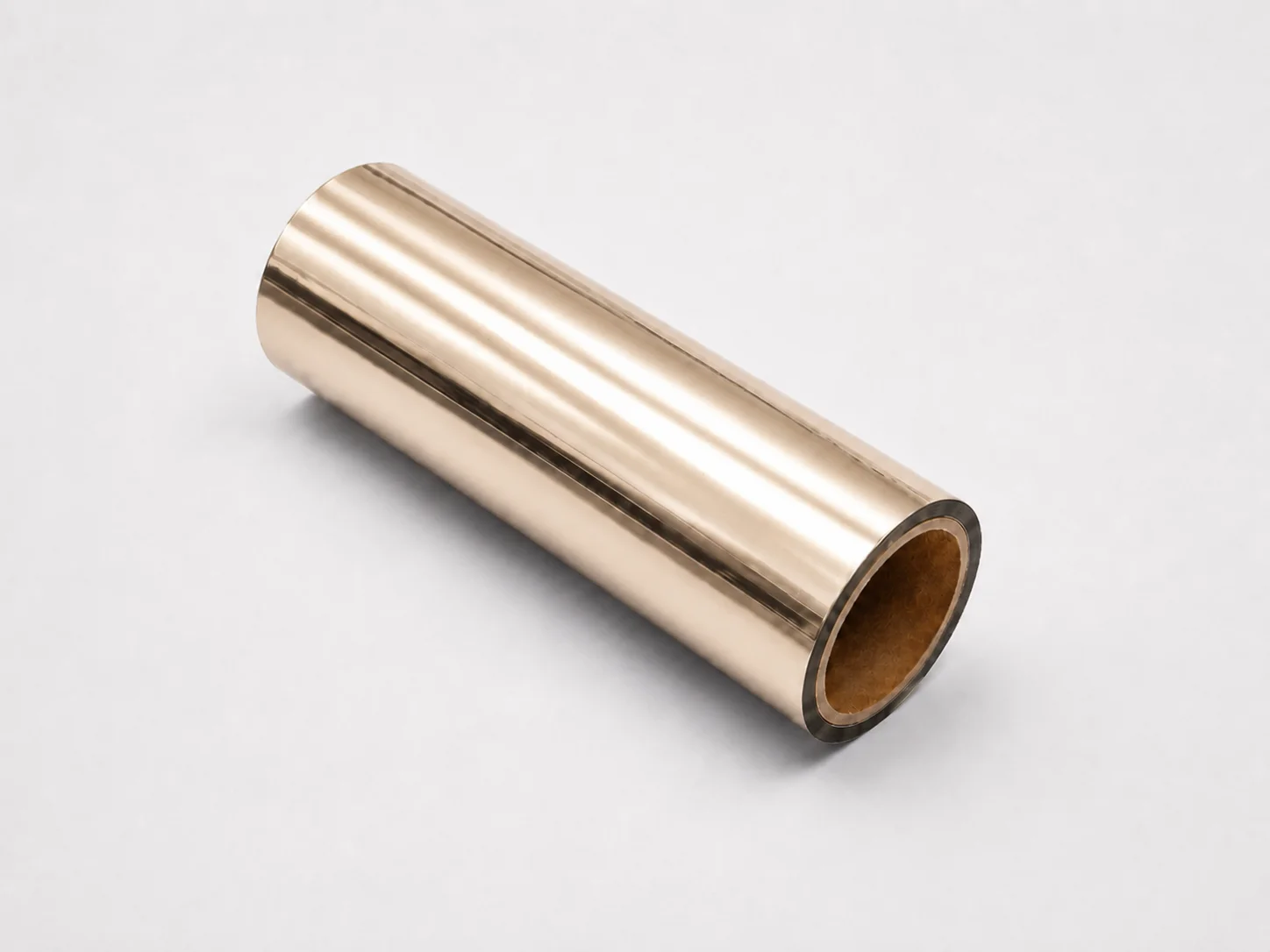
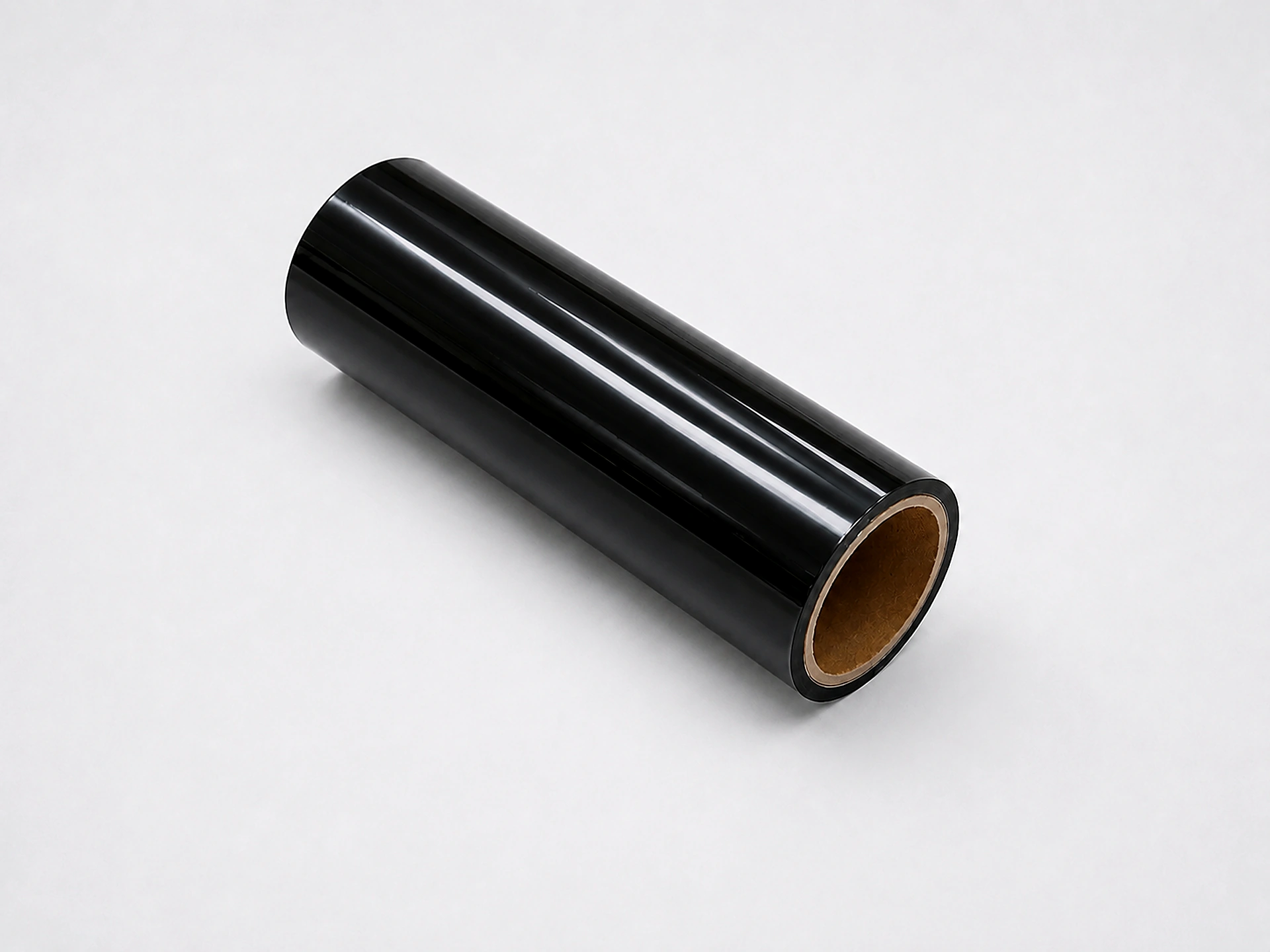
Reference footage of CFS Holographic cold foil master rolls — rainbow diffraction, silver, pink and green variants. The diffraction pattern shifts with viewing angle. Footage shows roll appearance; it is not a press trial.
Micro-embossed diffraction grating produces 360° rainbow shift.
Custom diffraction patterns serve as covert anti-counterfeit marks.
The most expressive finish in the CFS collection.
Press parameters, substrate compatibility and finishing — everything production needs to qualify Holographic on line.
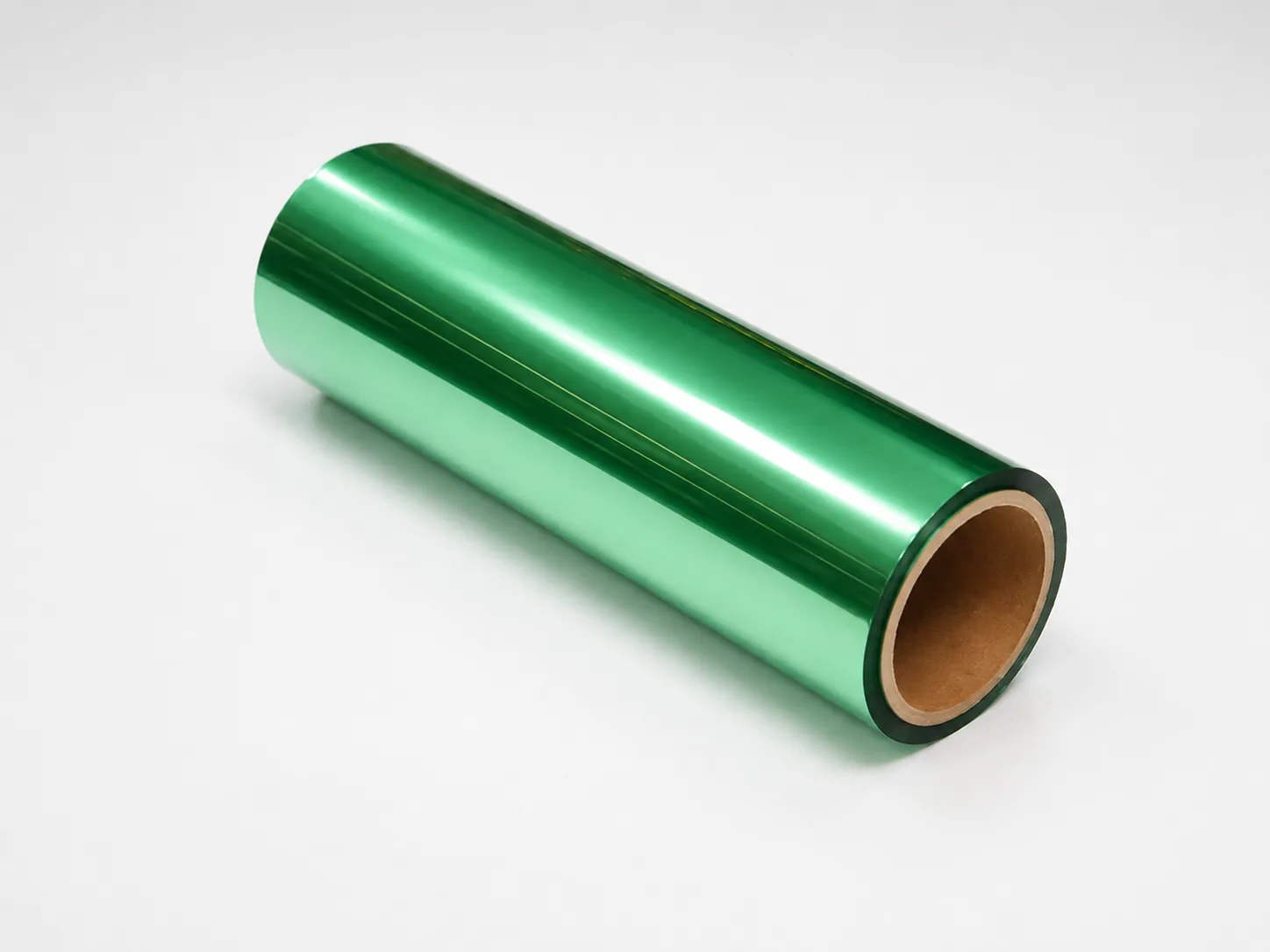
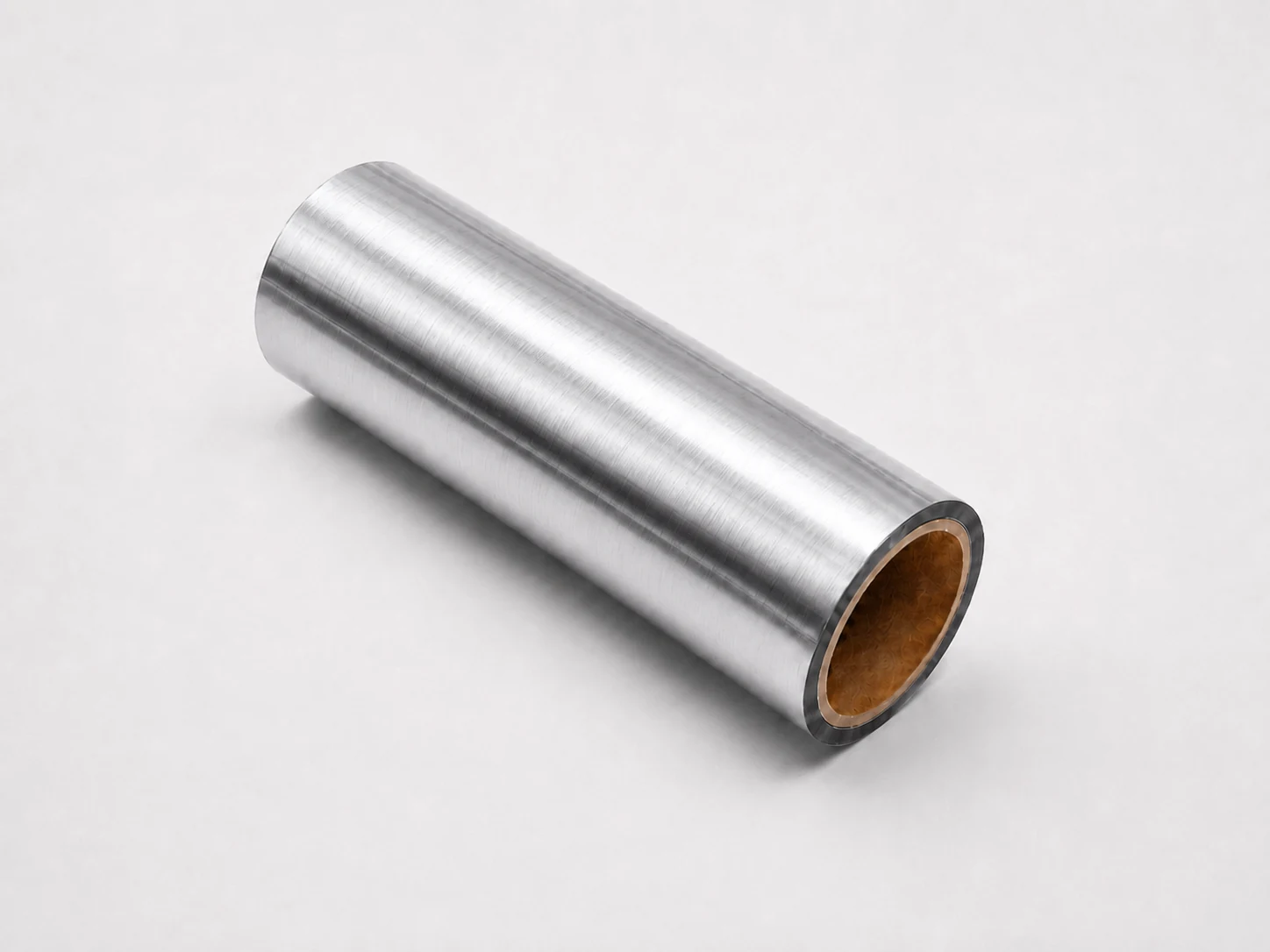
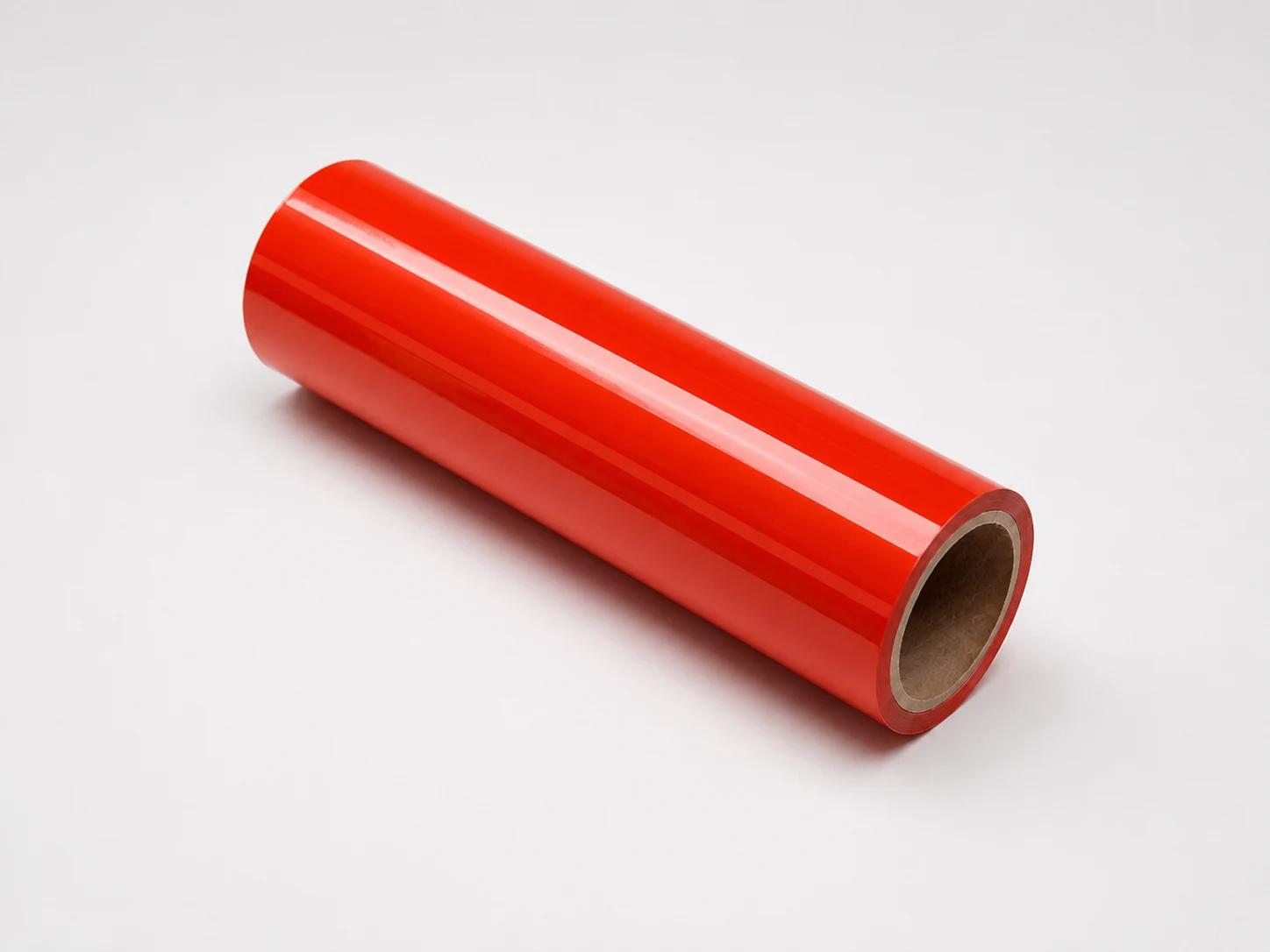
| Parameter | Specification | Notes |
|---|---|---|
| Carrier | 12 / 19 / 23 µm PET | 19 µm is the narrow-web default |
| Metallising | Vacuum aluminium, OD 2.2–2.6 | 30–50 nm reflective layer |
| Patterns | Rainbow, radial, starlight, pillar, motion, custom | Stock and originated |
| Slit width | 200–1,650 mm | Slit to order from the same jumbo |
| Roll length | 4,000–8,000 m | 76 mm core standard |
| Press speed | 150–250 m/min flexo | Lower than plain silver to protect the grating |
| MOQ | 1,000 lm stock · 5,000 lm custom pattern | Free trial rolls available |
| Lead time | 7–14 days ex-works stock patterns | Custom origination adds several weeks |
Holographic pricing is quoted per specification — pattern, slit width, roll length, annual volume and destination all change the mill-direct price. Send your specification and we respond with a written quotation, usually within one business day.
On press
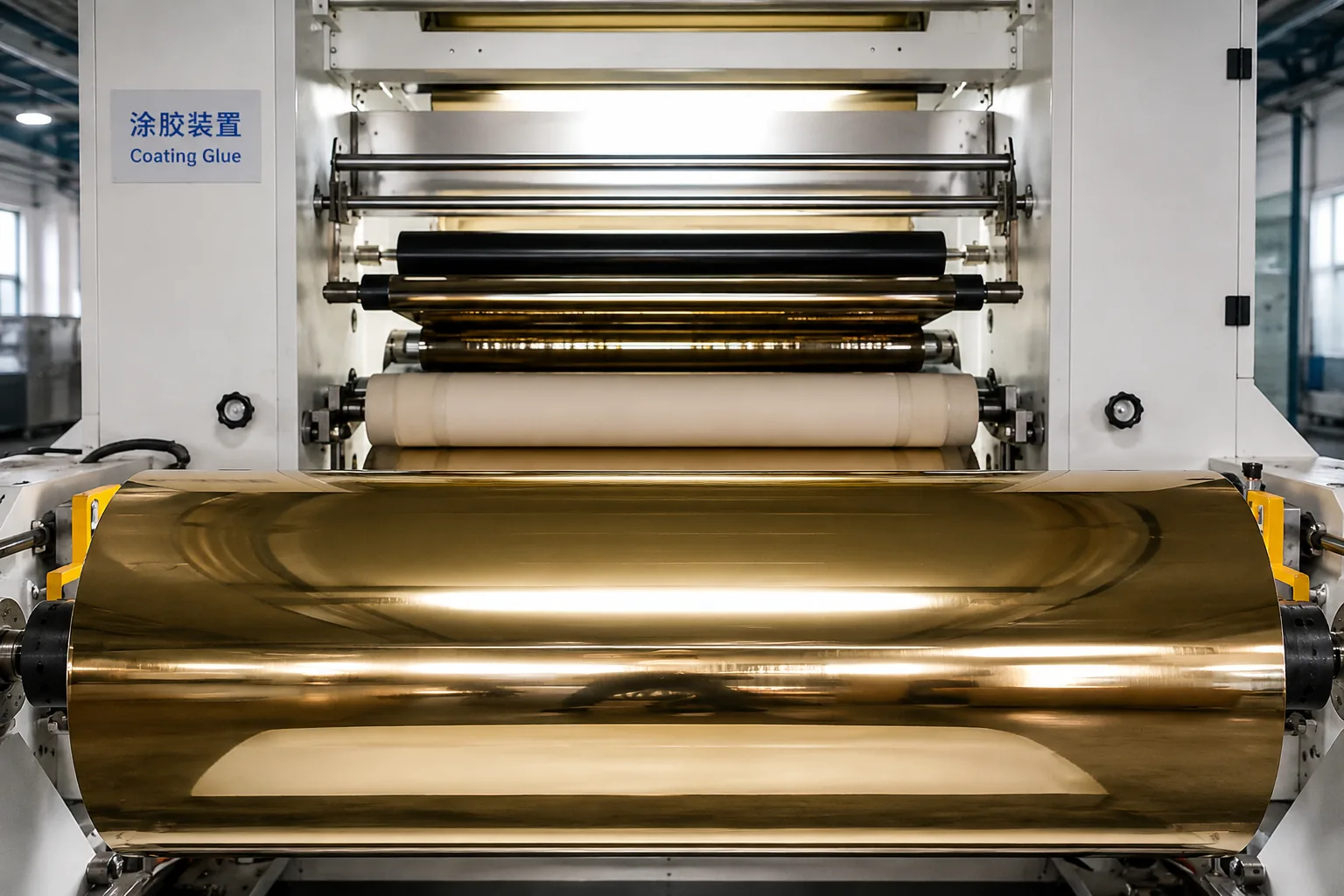
Holographic runs on the same inline cold foil module as plain silver, with four parameters tightened: adhesive coverage up 5–10%, UV dose up 10–15 mJ/cm², nip pressure down 5–8% so the embossed grating is not flattened, and press speed capped at 150–250 m/min. Artwork should be built as a dedicated ColdFoil spot colour set to overprint, with a minimum feature width around 80 µm.
Full pattern selection, prepress rules, varnish and lamination compatibility and security-feature options are covered in the technical guide linked below.
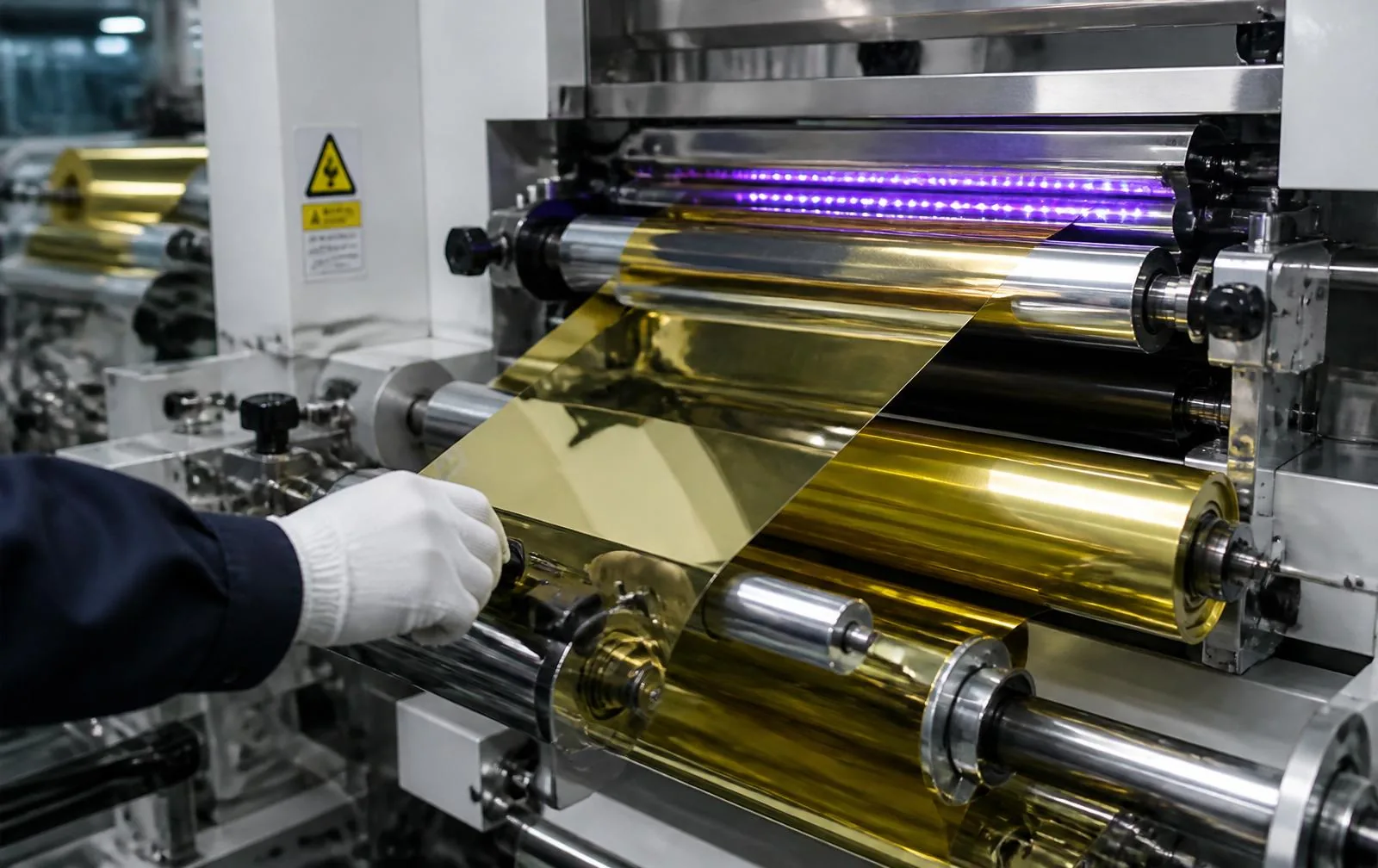
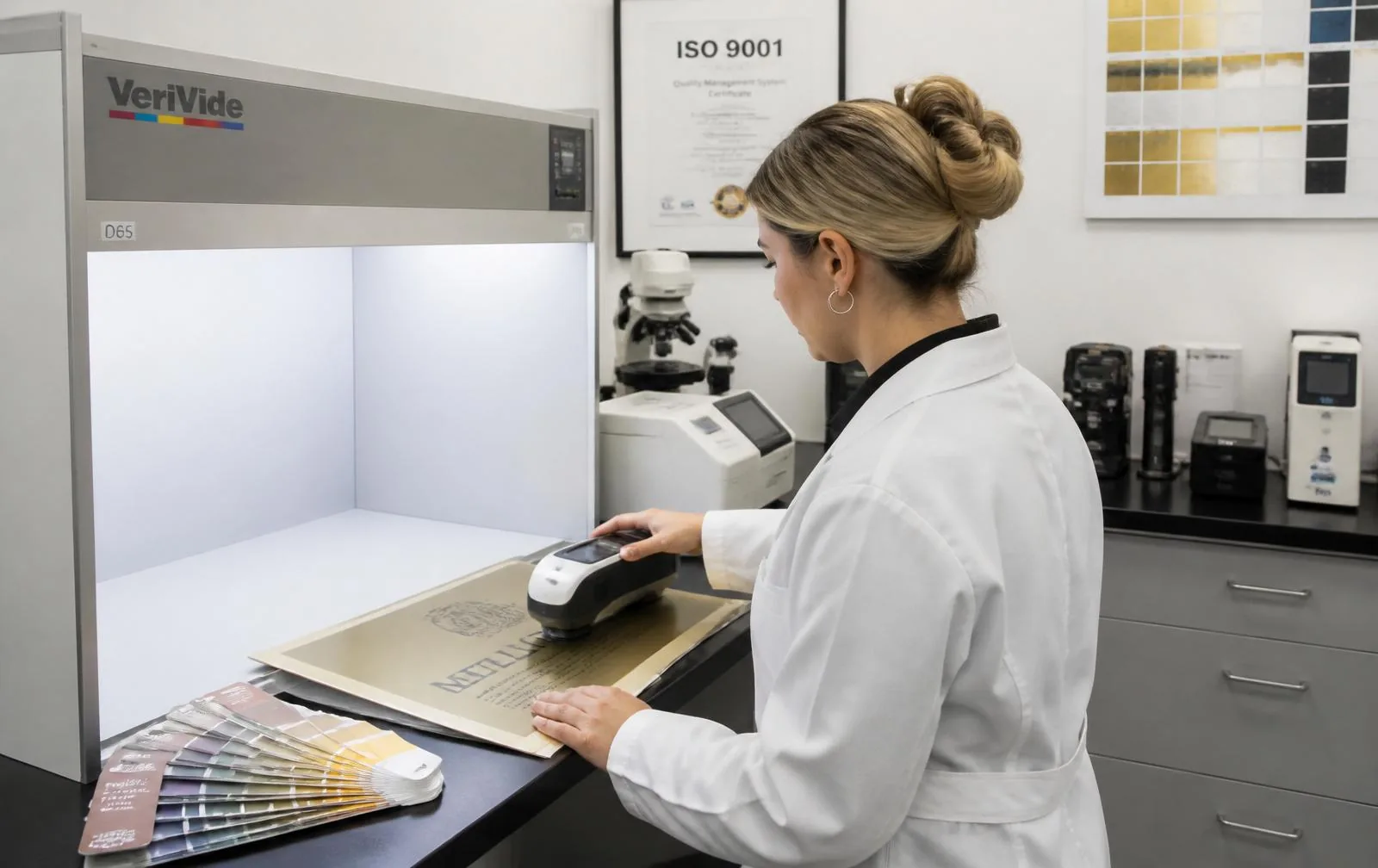
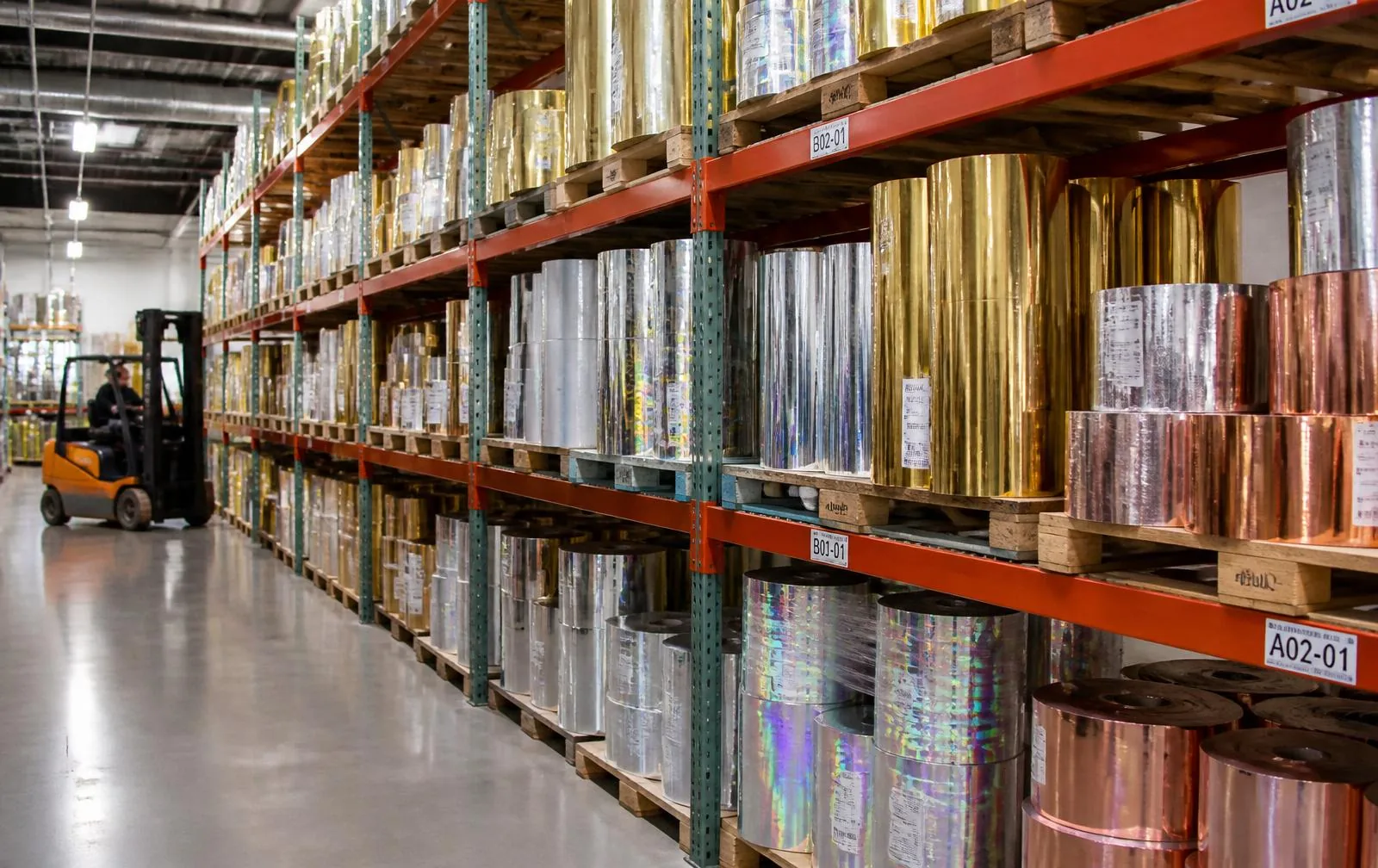
holographic cold foil press and design guideCold foil coating, slitting, colour matching and QC all happen under one roof in Wenzhou, Zhejiang, China. Every roll ships with a lot code so overseas buyers can trace it back to the production batch.
Background reading our specifiers reference when qualifying Holographic and comparable cold foils on press.
A plain-English guide to cold foil printing — how transfer works, where it beats hot stamping, and when to specify it.
Read guideRainbow and pattern holographic foils for cosmetics, FMCG and security packaging — substrates, press setup and finish.
Read guideInline UV adhesive, foil web, nip transfer — a step-by-step walk-through of the cold foil method on flexo presses.
Read guideRequest a physical sample card or speak to our technical team about press validation.