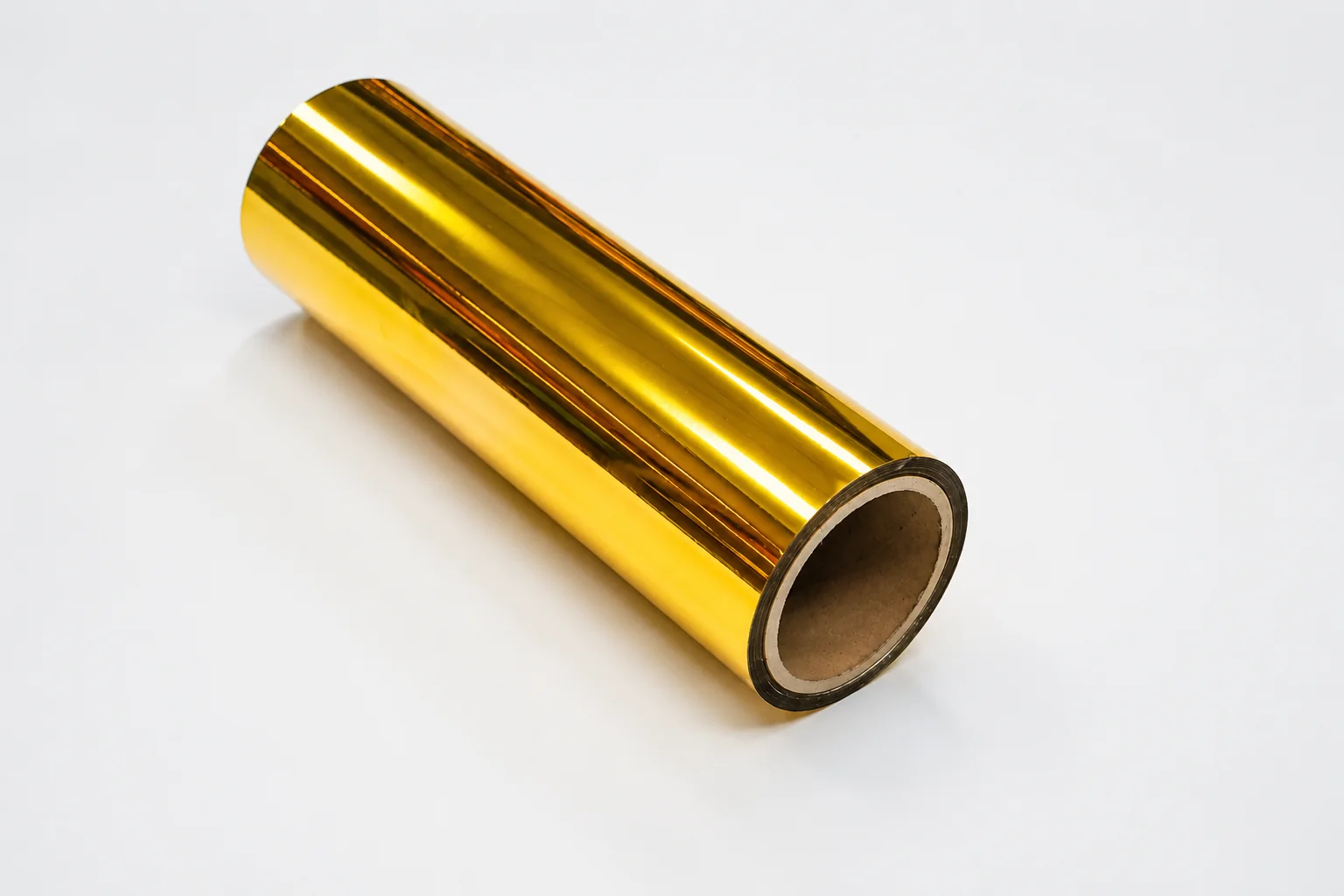
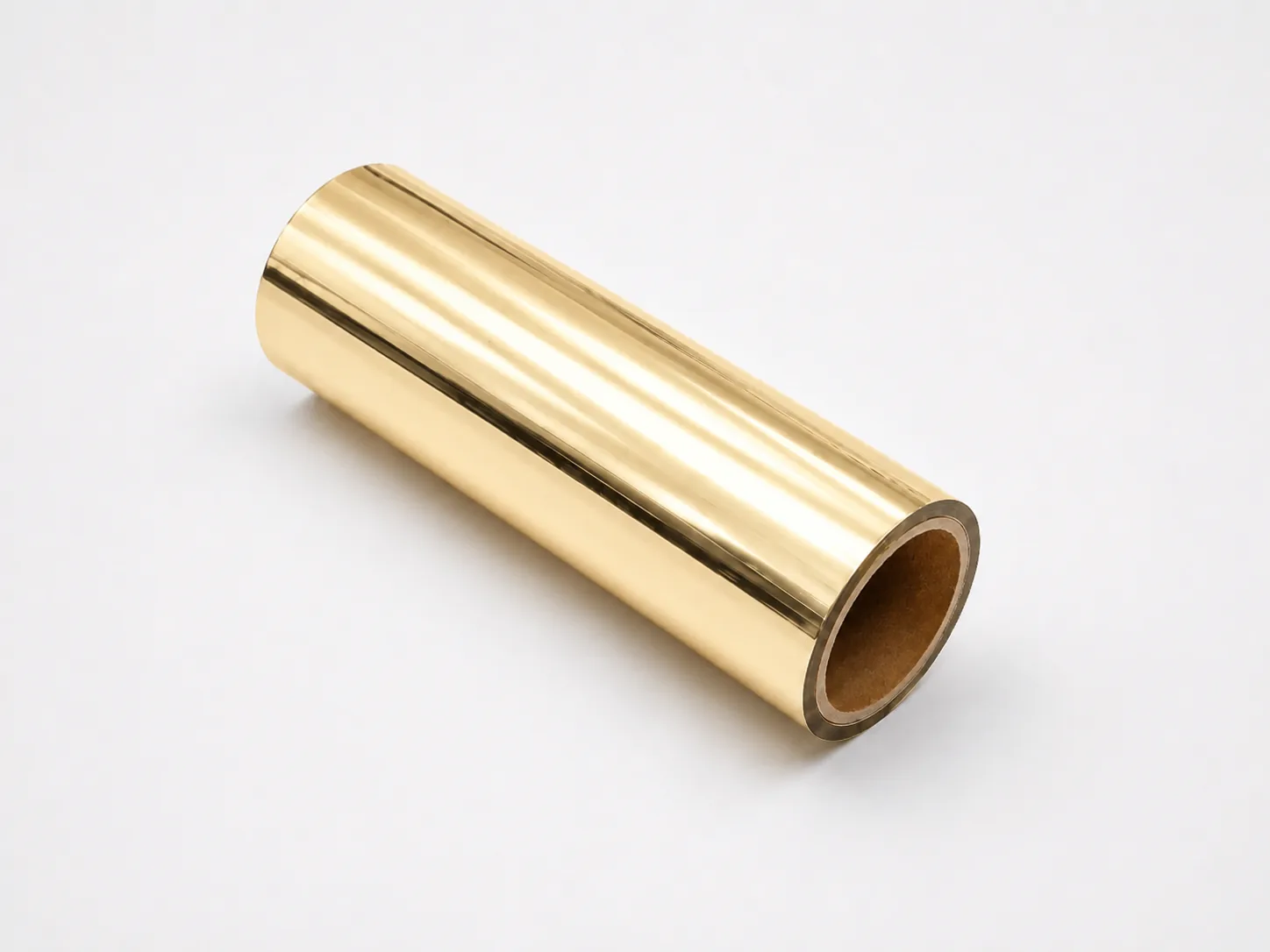
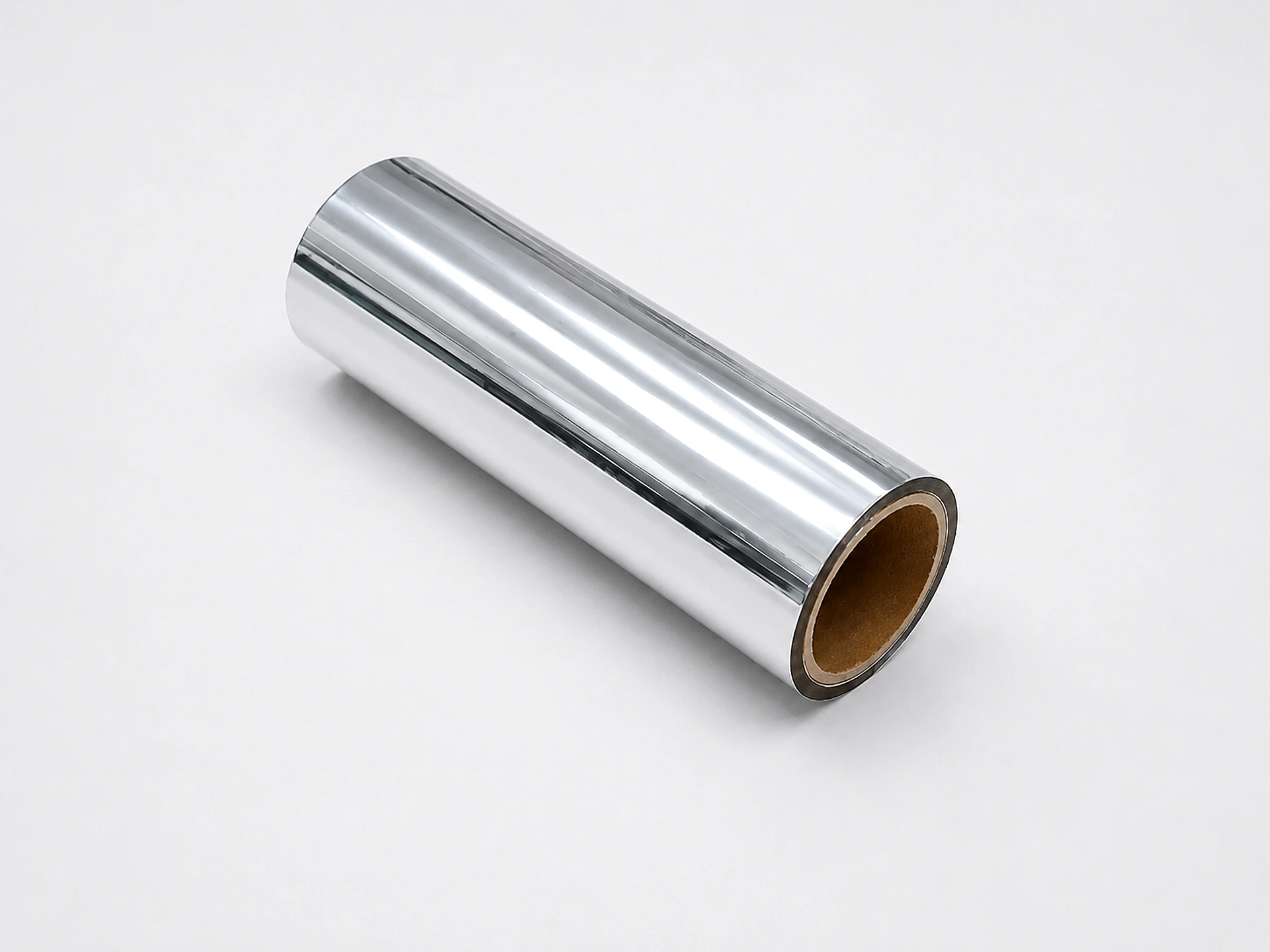
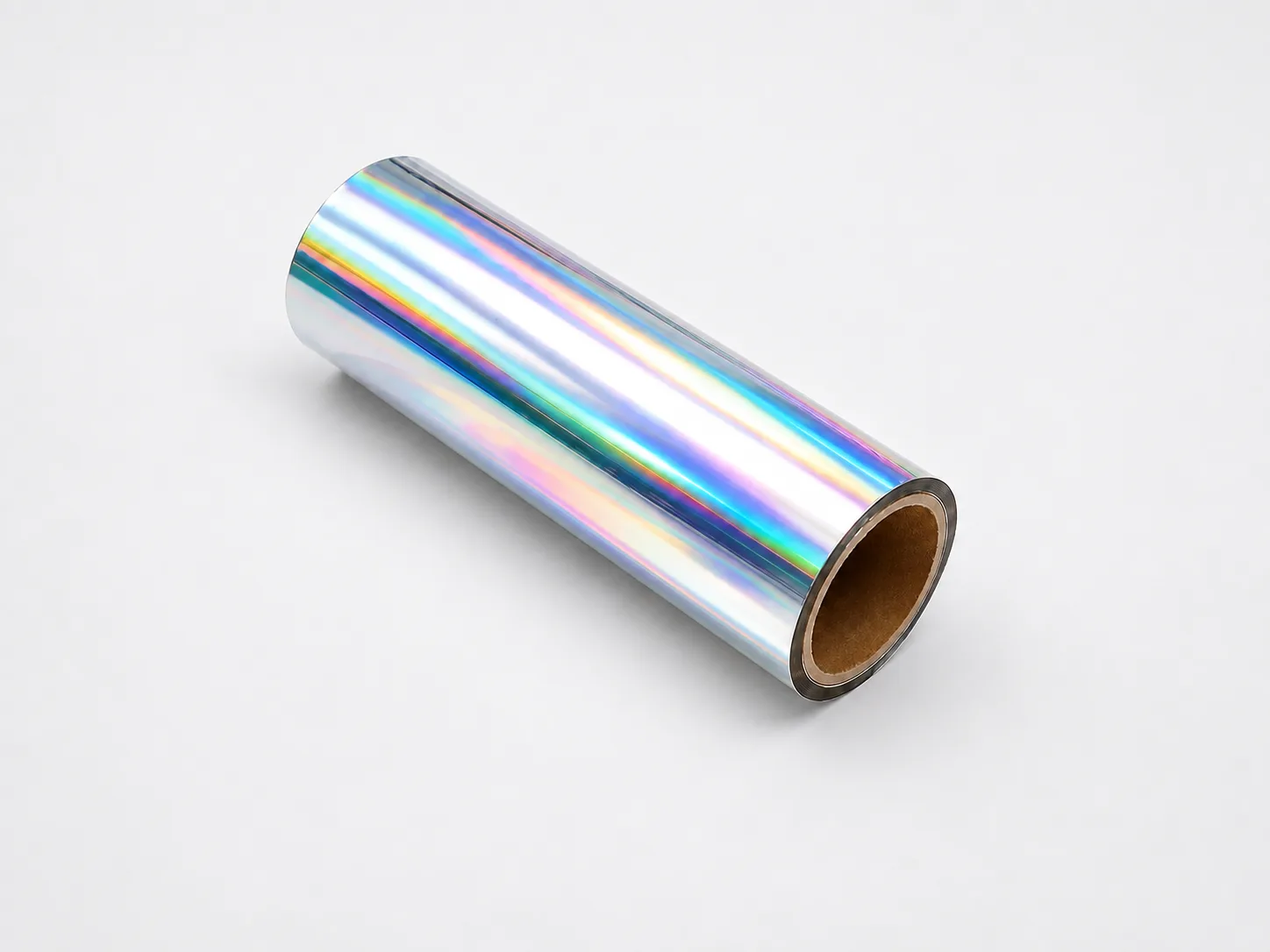
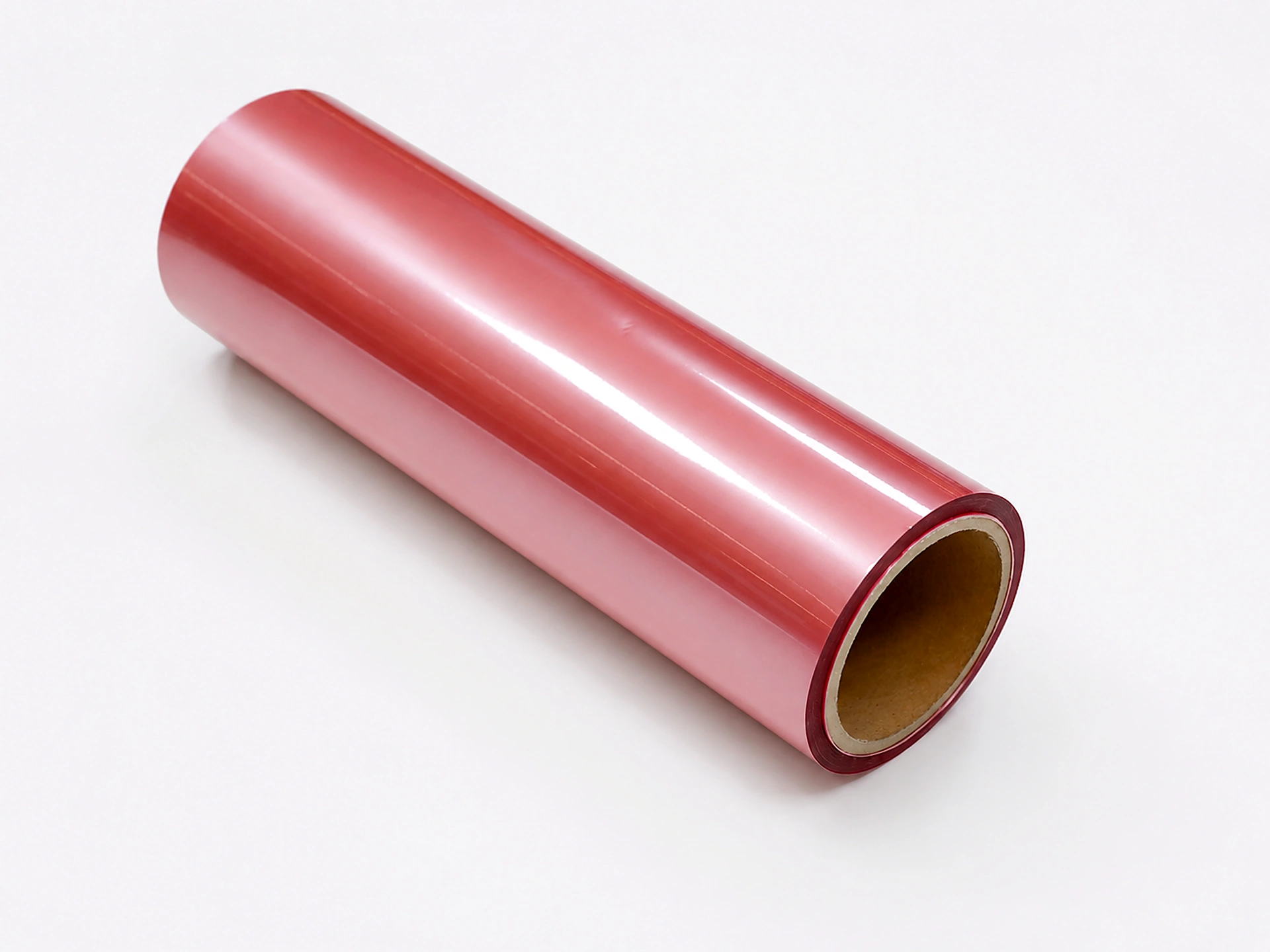
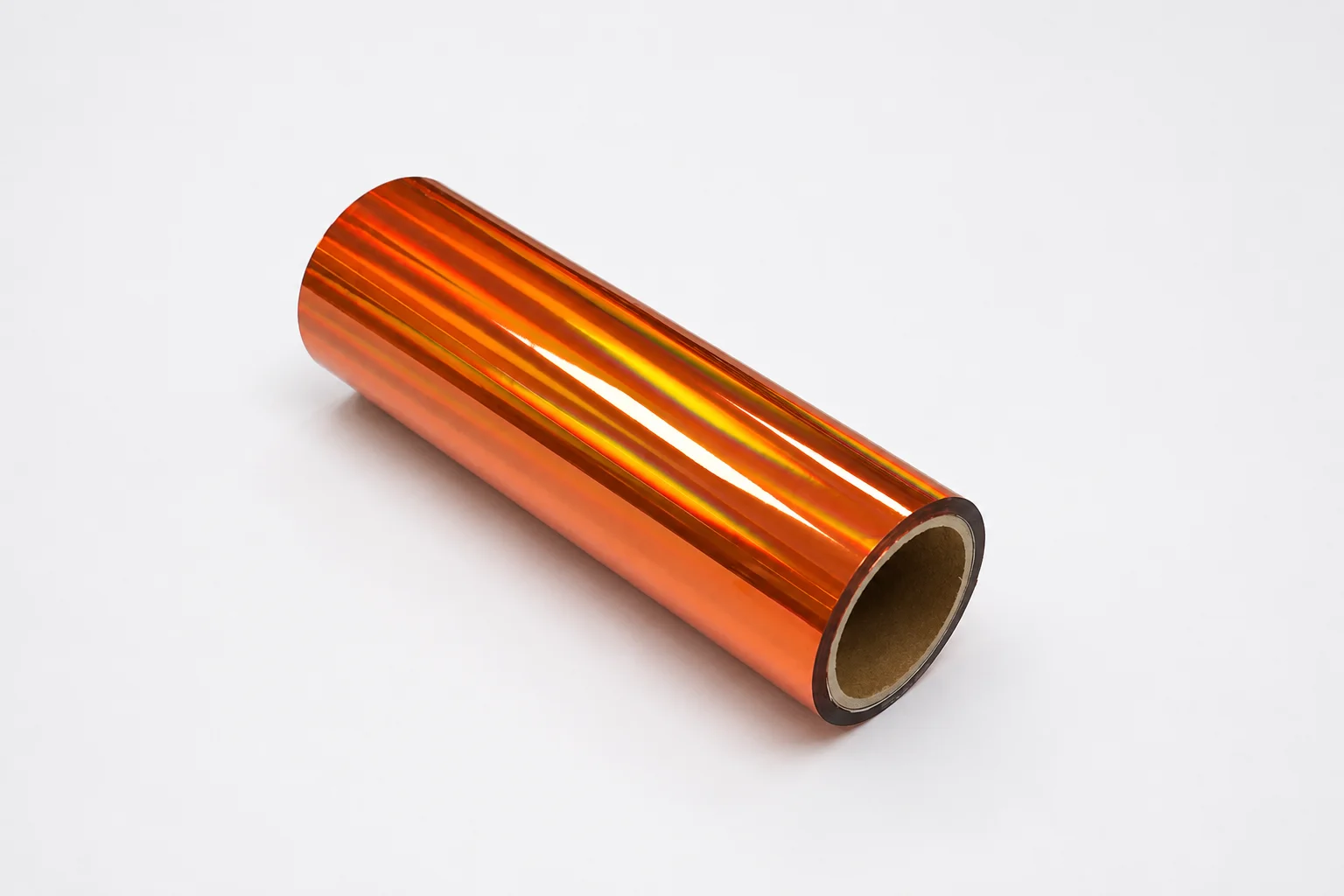
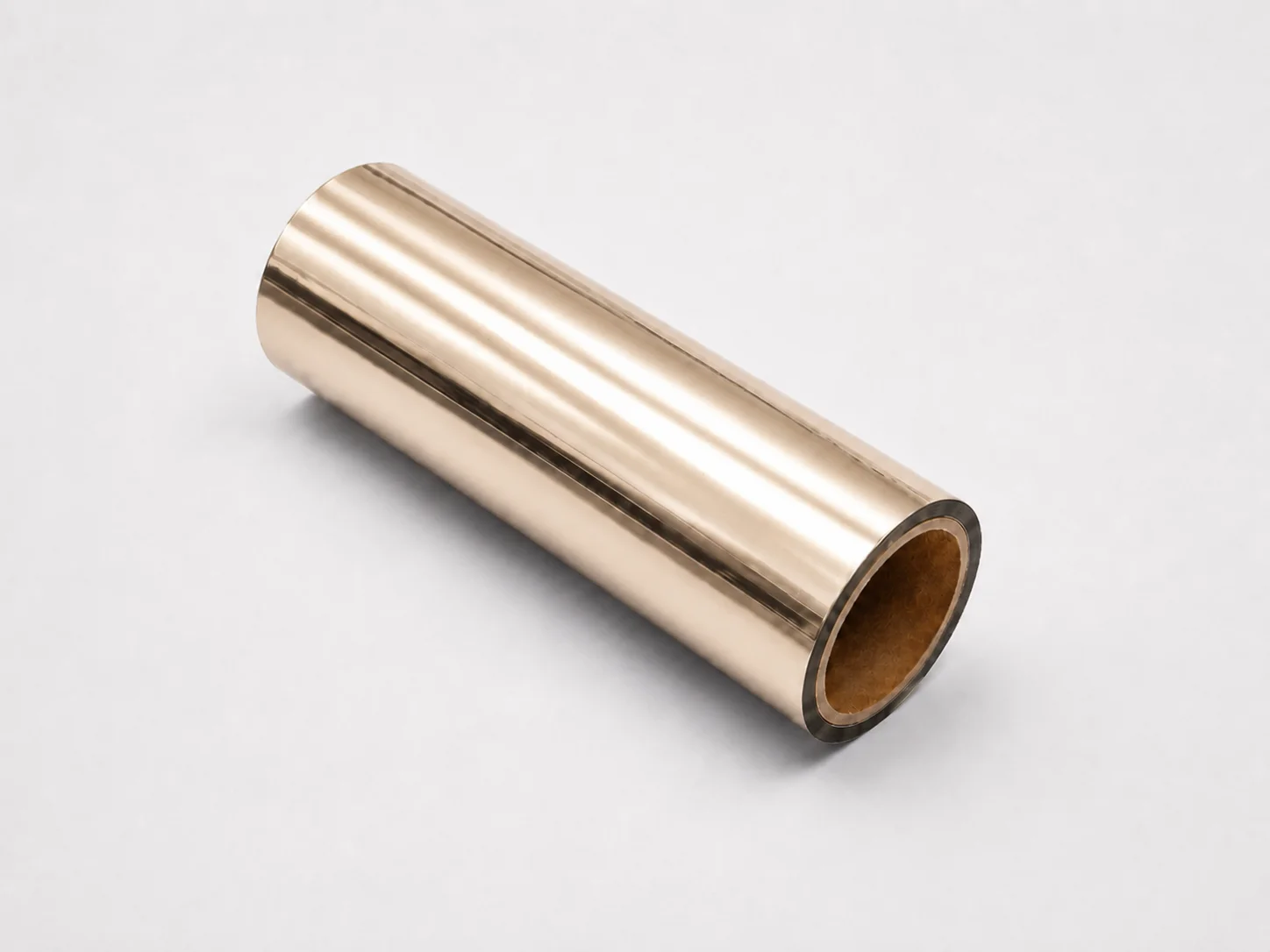
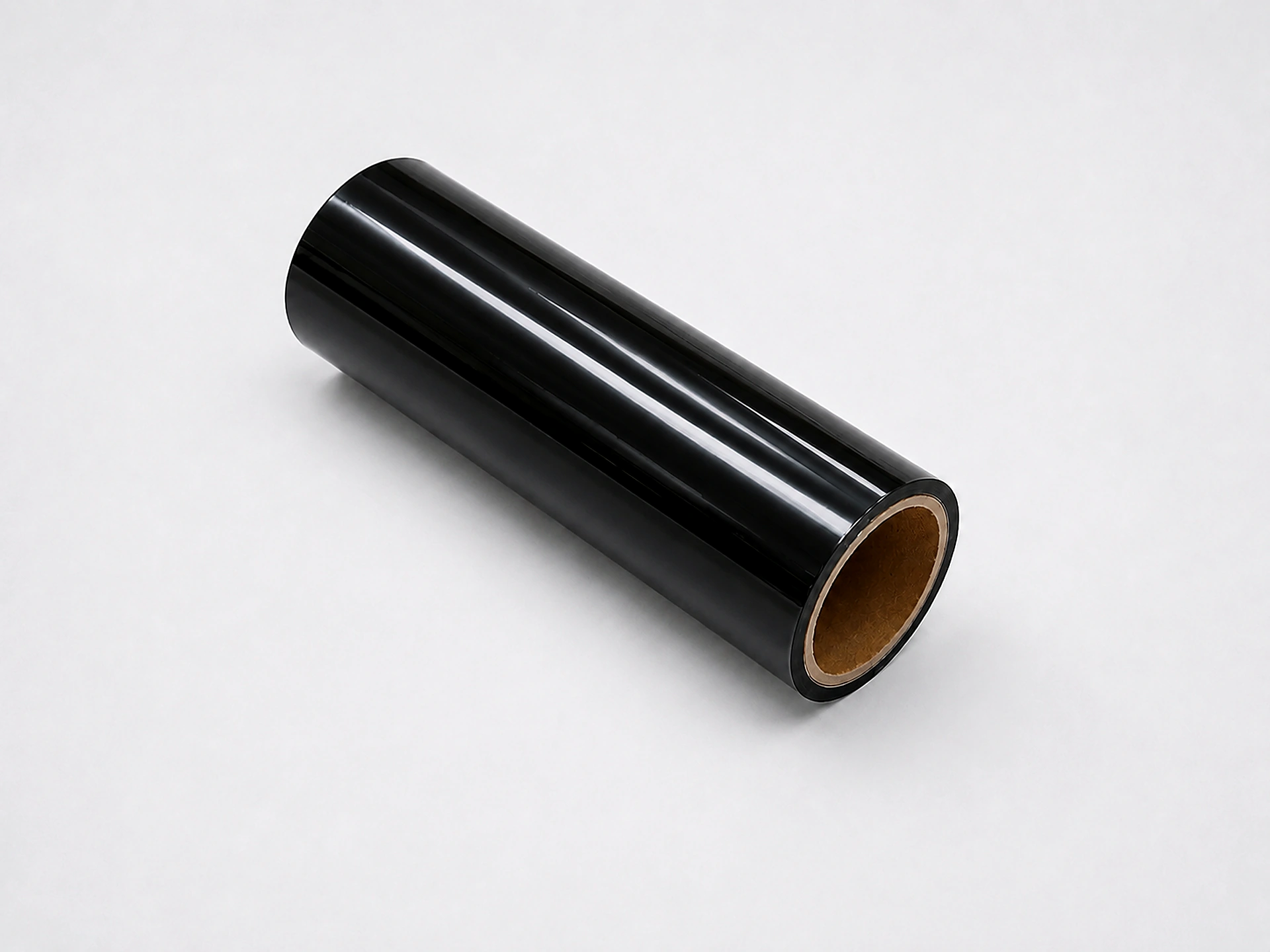
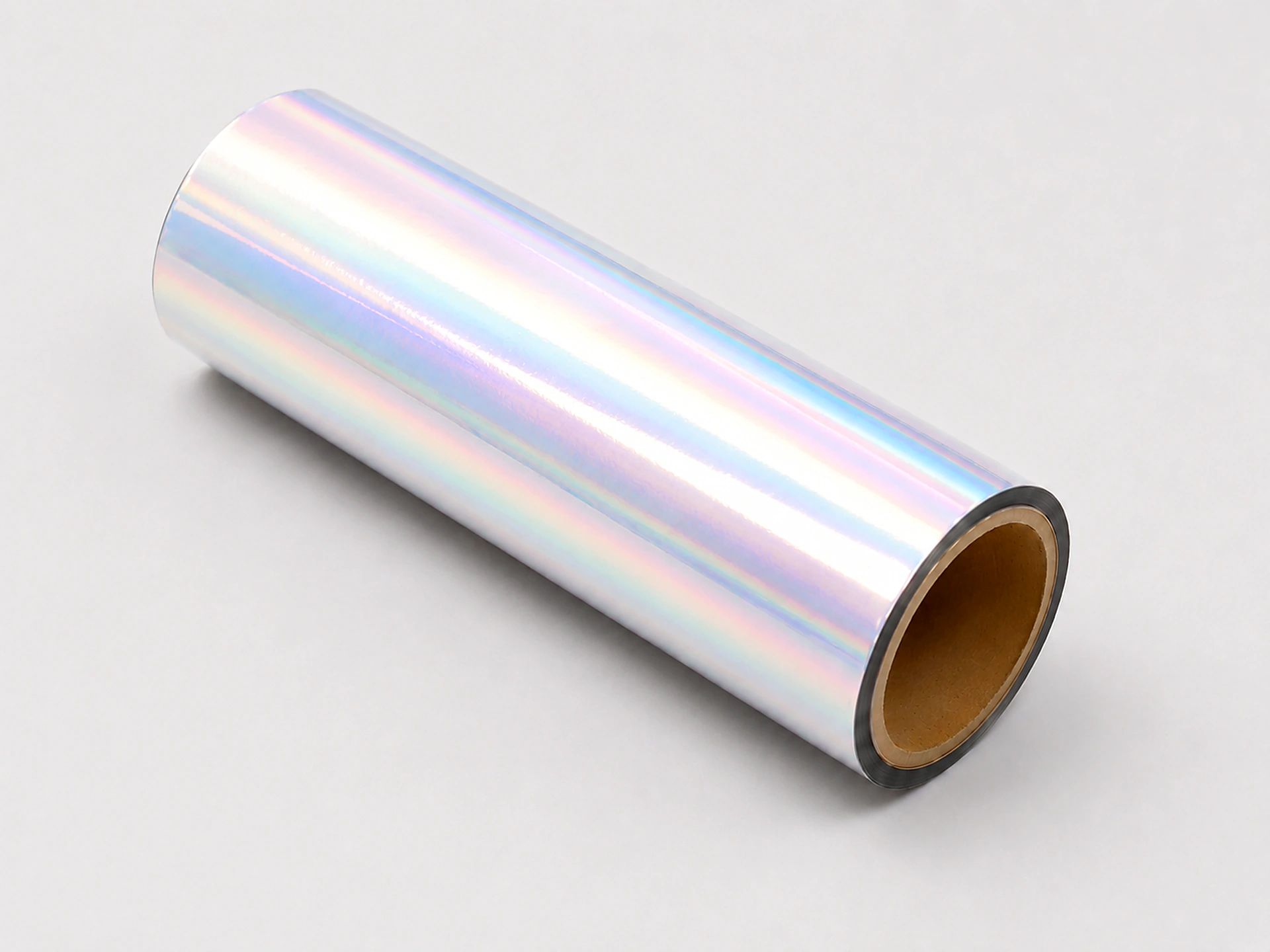
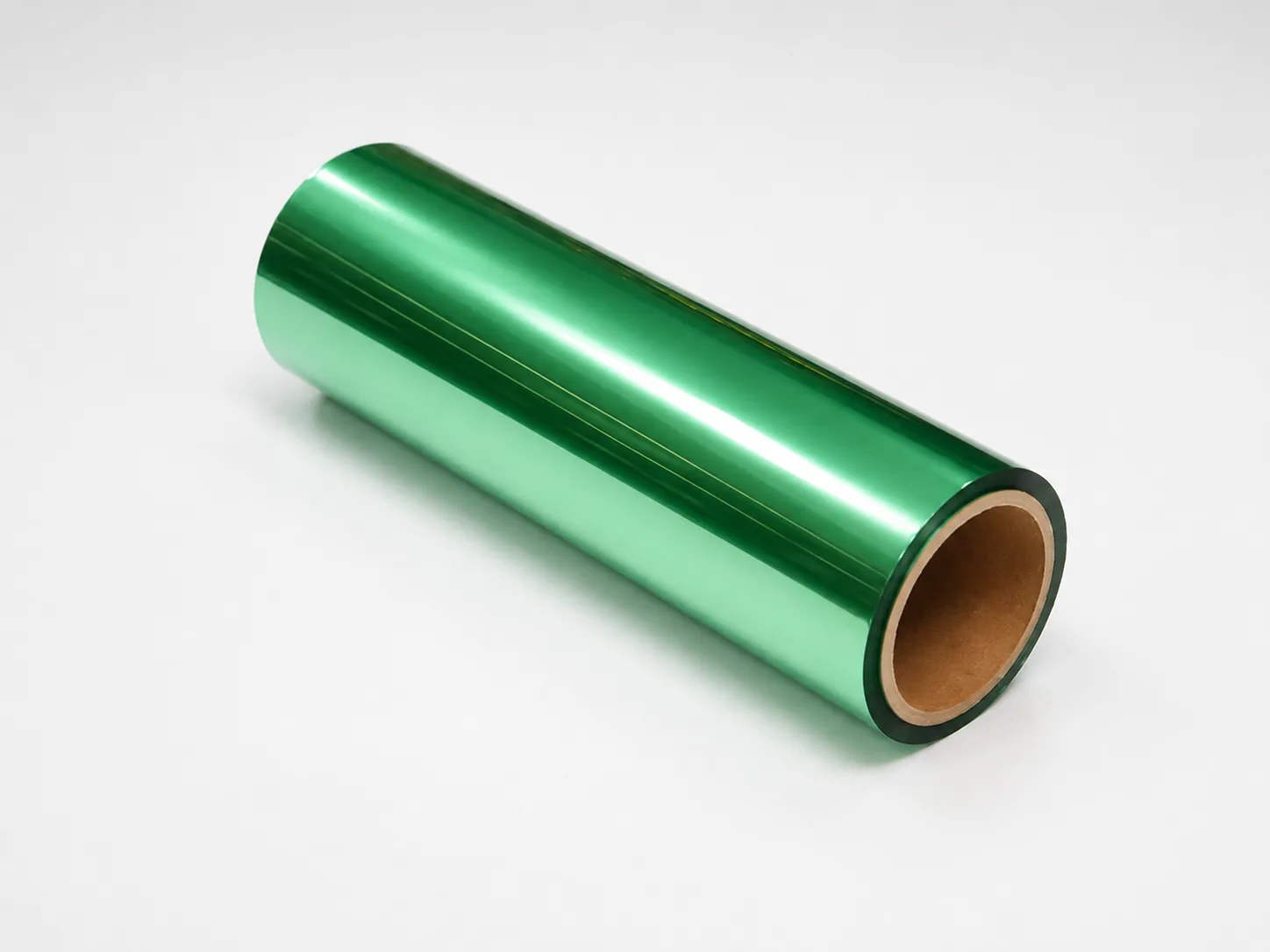
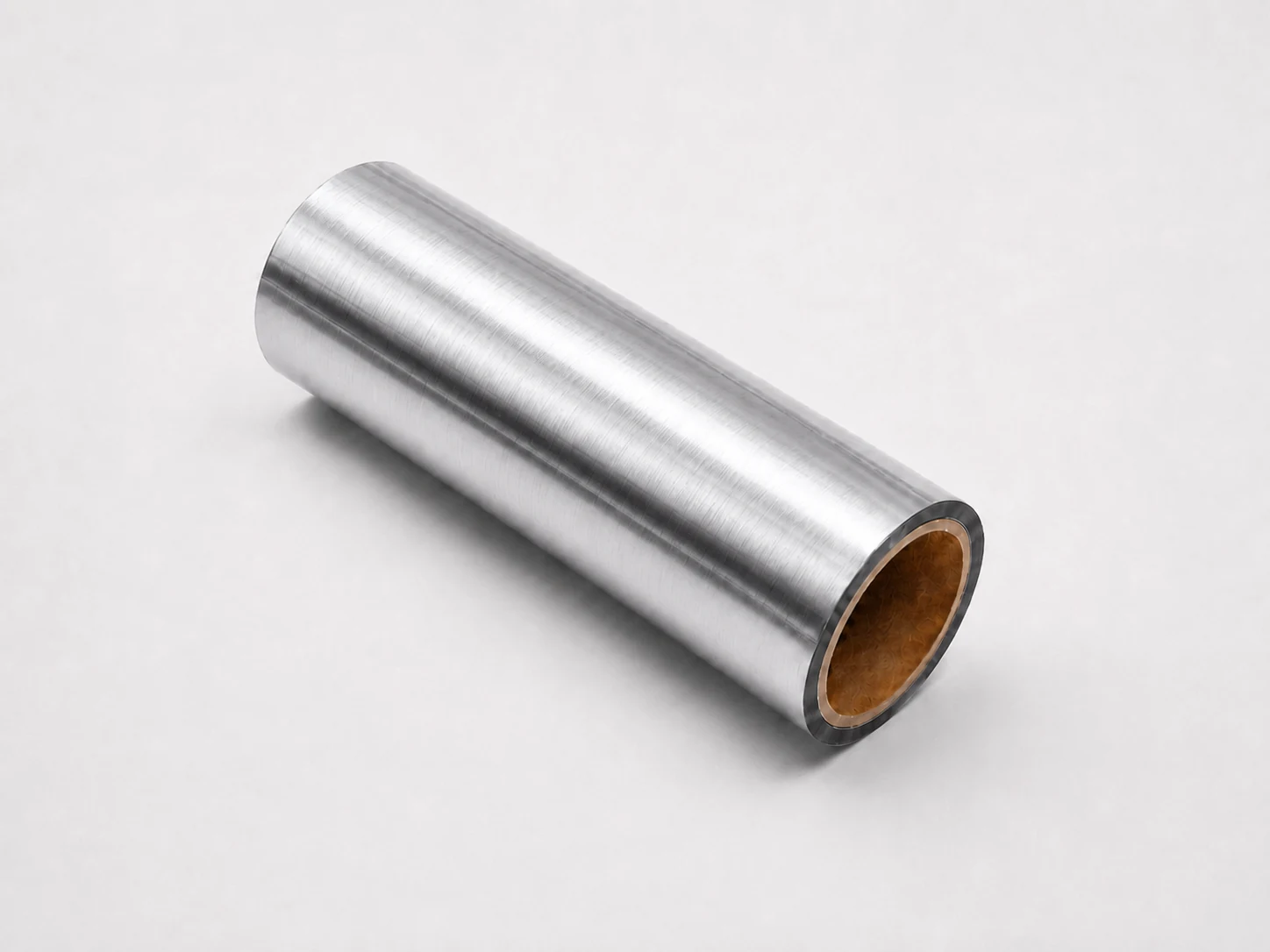
Neon shelf pop
Fluorescent pigment layered on a metallic base for maximum visibility in daylight retail.
LM-FL / Fluo
Fluorescent Foil pairs a metallic base with fluorescent pigment for a neon on-shelf pop that also glows under UV/blacklight. Engineered for streetwear, sport nutrition, energy drinks, youth beauty and seasonal limited editions where visibility and social-media impact matter as much as luxury cues.
Fluorescent pigment layered on a metallic base for maximum visibility in daylight retail.
Glows intensely under blacklight — ideal for club, festival and limited-edition activations.
Engineered for youth brands where on-camera impact drives shares and unboxing content.
Press parameters, substrate compatibility and finishing — everything production needs to qualify Fluorescent Foil on line.
Specification deep-dive
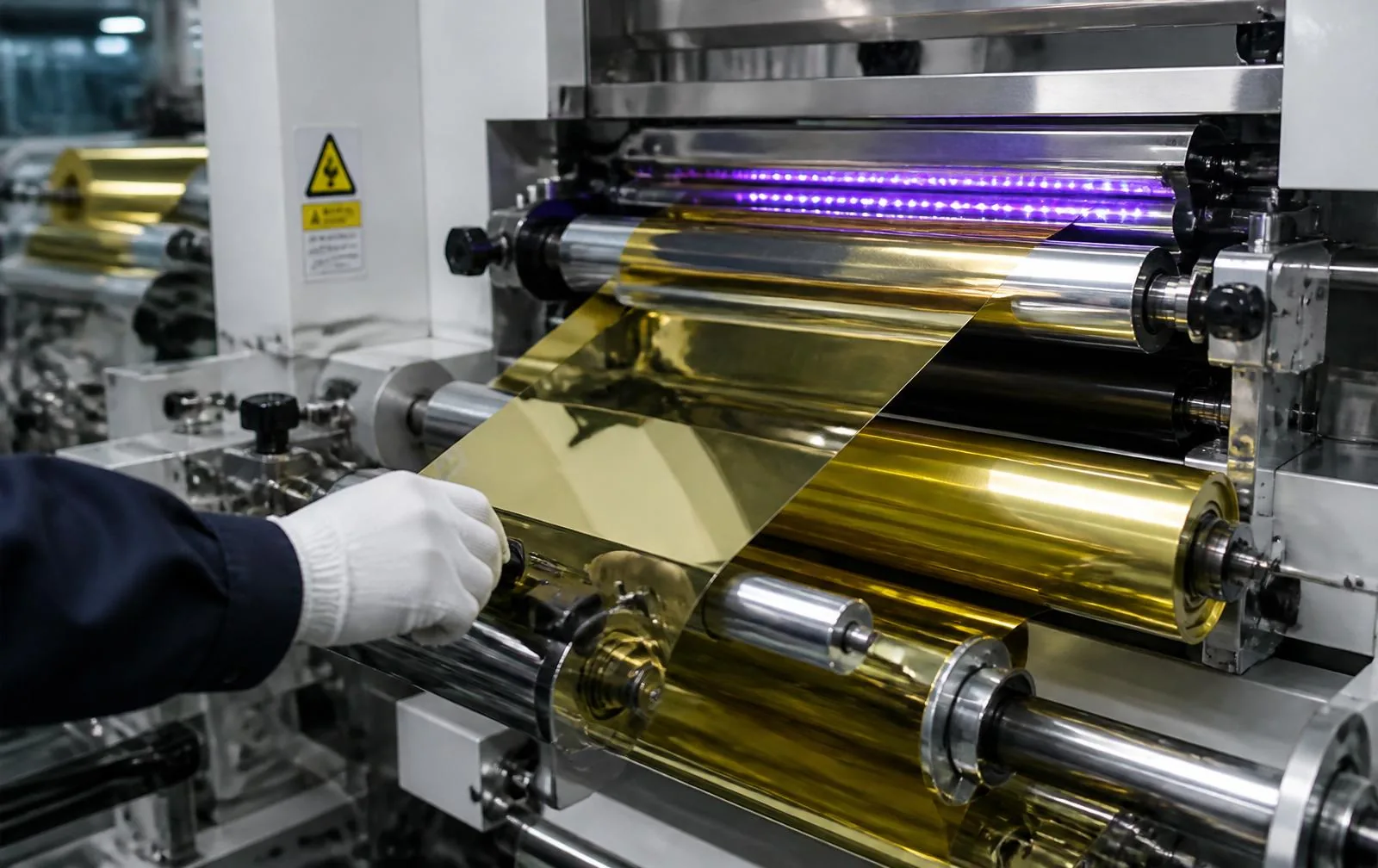
Fluorescent Foil (LM-FL / Fluo) belongs to the CFS cold transfer family — UV-cure cold foil designed for inline application on conventional and narrow-web flexo presses, sheet-fed offset converters fitted with a cold foil module, and label presses with a UV cold-foil station. The notes below distil what our applications engineers brief converters on during qualification: how to set the press, what overprint behaviour to expect, and how to think about waste, storage and traceability.
Cold transfer requires three controlled variables to land inside specification: adhesive lay-down, nip pressure and UV cure dose. For Fluorescent Foil, target an anilox volume in the mid range of the qualified band on the datasheet, set nip pressure to the lower end of the platform window and tune the UV lamp dose to the upper end before relaxing once full transfer is achieved. This sequence avoids the most common defect — under-cured adhesive producing patchy transfer or post-cure foil pickout — without bleeding adhesive into the substrate fibres.
Web tension matters more than most operators expect. Cold foil is dimensionally stable along the machine direction but sensitive to cross-web tension variation; aim for tension within plus or minus 5% of the platform reference across the unit width. On narrow-web label presses a single under-tensioned roller upstream of the cold-foil station will produce edge wrinkling that no downstream correction will recover.
Setup waste of 200 to 400 linear metres is normal for a first run on a new substrate and falls to under 100 metres on repeat work once the press settings are documented and stored in the recipe library. Track setup waste per job and tie it to the press, operator and substrate so the qualification report builds a useful baseline over time.
Fluorescent Foil is engineered to be overprinted in line. Transparent UV process inks tint the metallic base to produce custom Pantone metallic targets; coverage in the 15–40% range gives the most stable colour space, with the foil surface still reading through. Above 60% the underlying foil disappears optically and the colour reads as a heavy ink rather than a metallic, which is usually not the intended effect.
UV gloss overprint varnish lifts the perceived gloss by roughly 80–120 GU. Soft-touch matte OPV reduces gloss dramatically and warms the colour temperature — beautiful on prestige cartons but a different visual product, so qualify the soft-touch stack as a separate SKU rather than a finishing option. Spot UV is fully compatible and is the most common combination for selective high-gloss accents.
Cold-foil decorated cartons fold, glue and case-pack without special handling on standard equipment. Crease-rule depth on the cartoner is the only parameter to watch — set it 5–10% deeper than for unfoiled board to avoid foil cracking on tight folds.
Fluorescent Foil meets the recyclability standards expected of modern paper and board packaging. Independent repulpability and deinkability studies under ISEGA and PTS Munich protocols classify CFS cold foil systems as compatible with European paper-recycling streams when applied at typical coverage on GC1 and GC2 boards. Full study reports are available on request under the documentation library.
Food-contact applications must reference the migration testing protocol in the compliance documentation pack. Cold foil is applied to the printed (non-food) face of secondary packaging in the overwhelming majority of food applications, where overall migration testing under EU 10/2011 has been validated. Direct food-contact use is qualified case by case.
Every master roll of Fluorescent Foil ships with a batch code, production date and storage instructions printed on the carton. The QR code links back to the production record so converters and brand-owner QA functions can trace the specific batch through to the finished product if a recall investigation is ever needed.
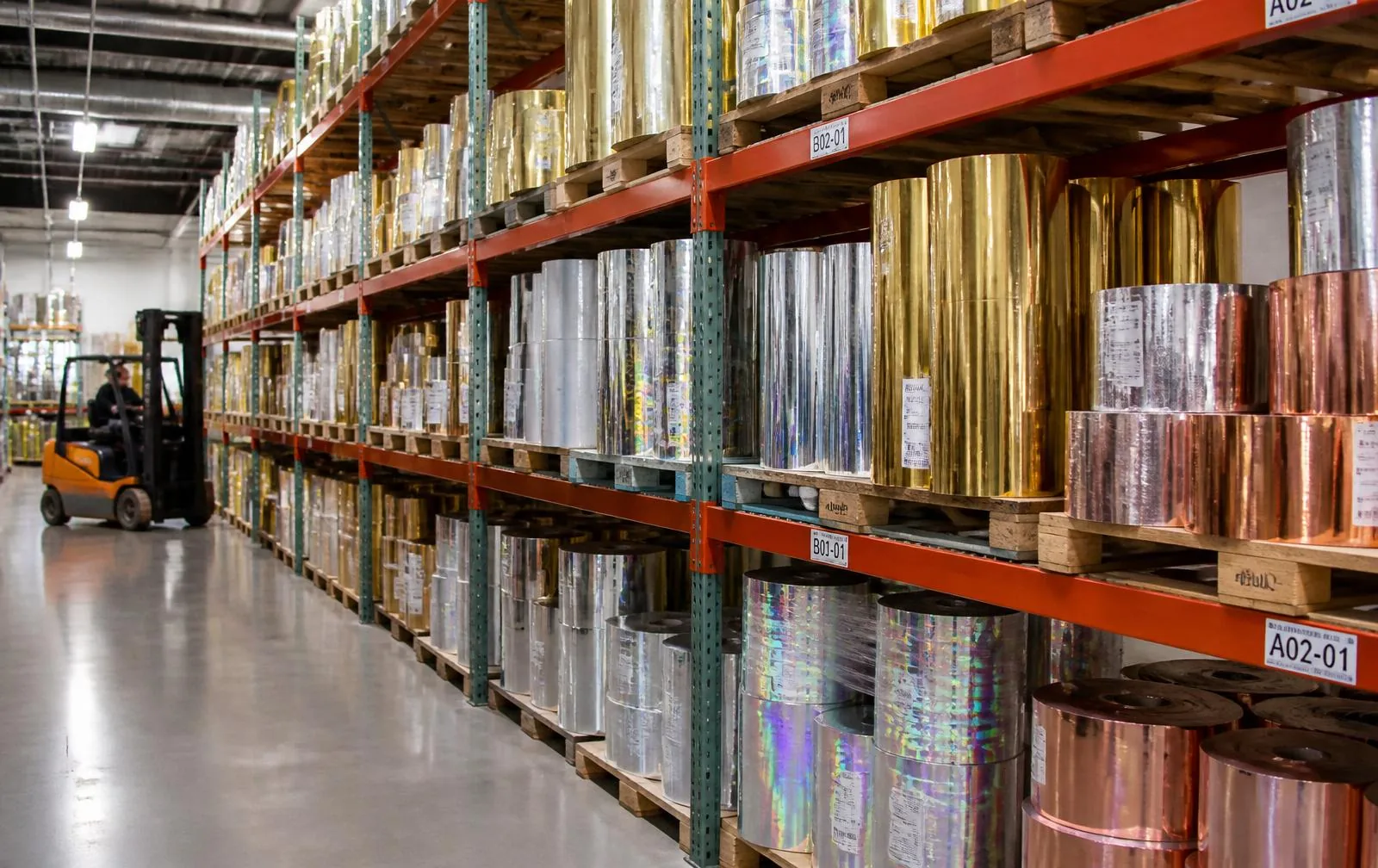
Store rolls upright at 18–22°C and 45–55% RH, away from direct sunlight, in their original sealed packaging until ready to mount. Operate FIFO inventory rotation strictly; quarantine any roll older than the shelf-life value on the datasheet and request a re-qualification check rather than running it speculatively.
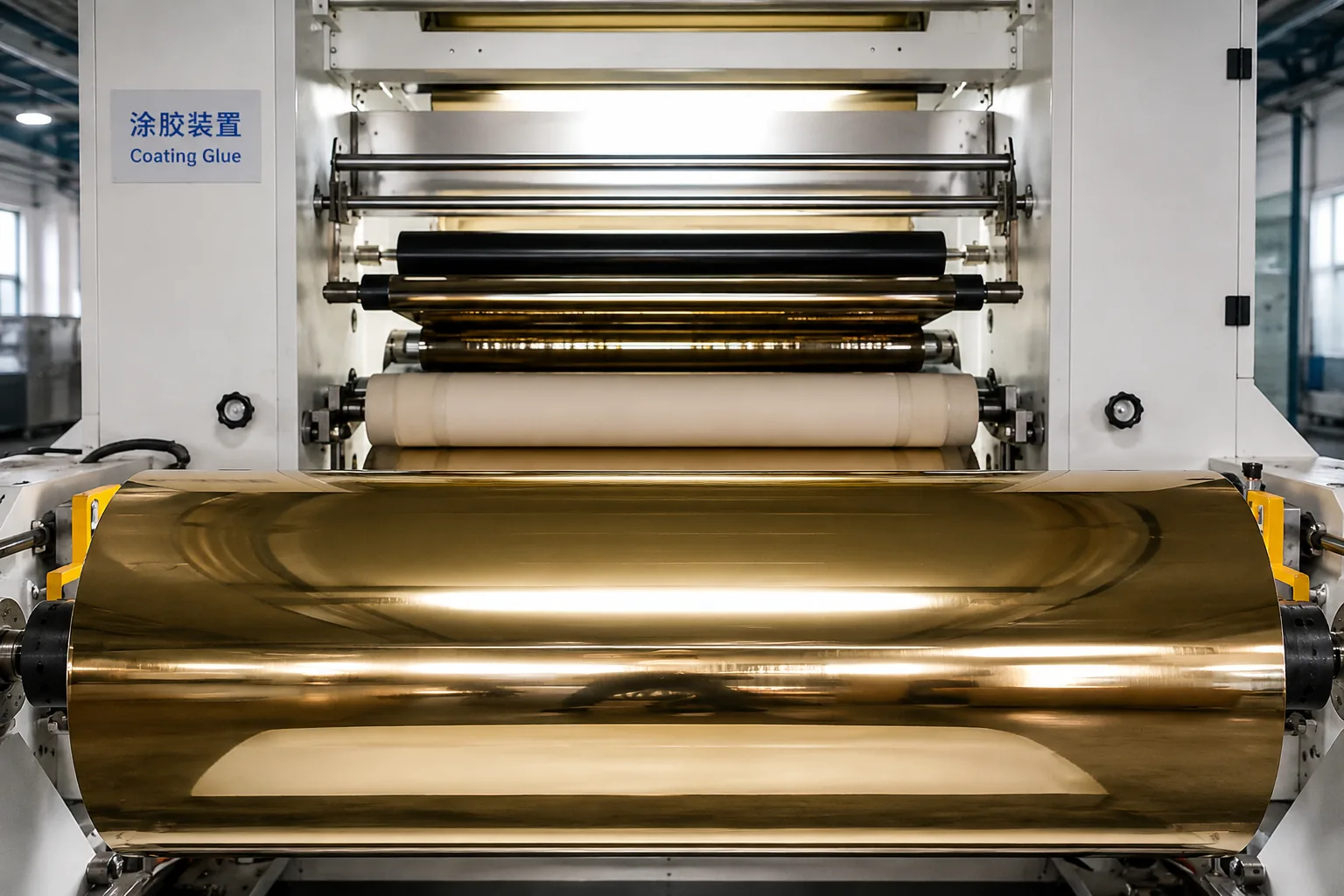
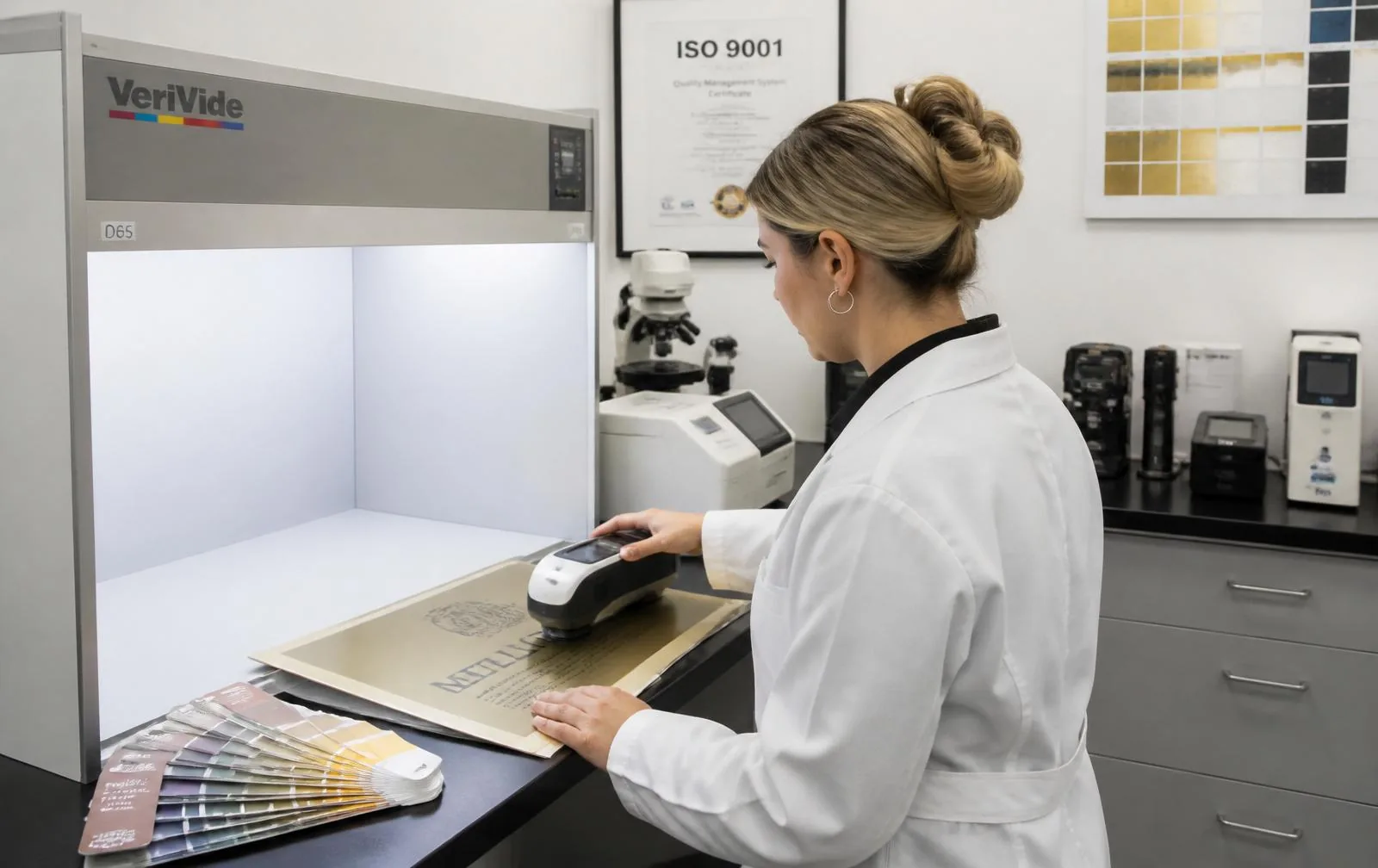
Cold foil coating, slitting, colour matching and QC all happen under one roof in Wenzhou, Zhejiang, China. Every roll ships with a lot code so overseas buyers can trace it back to the production batch.
Background reading our specifiers reference when qualifying Fluorescent Foil and comparable cold foils on press.
A plain-English guide to cold foil printing — how transfer works, where it beats hot stamping, and when to specify it.
Read guideRainbow and pattern holographic foils for cosmetics, FMCG and security packaging — substrates, press setup and finish.
Read guideInline UV adhesive, foil web, nip transfer — a step-by-step walk-through of the cold foil method on flexo presses.
Read guideRequest a physical sample card or speak to our technical team about press validation.