“TL;DR: The cold foil technique prints a UV-curable adhesive only where metallic decoration is needed, presses a thin foil carrier onto that adhesive, cures it inline, and strips the carrier away so the metal layer remains on the label or carton. It is fastest when used for high-volume packaging, over-printable metallic color, fine typography, variable design families and recyclable paperboard systems.
The cold foil technique is a printing-led metallic decoration process, not a traditional stamping operation. If the terminology is new, our cold foil stamping guide covers the basics first. Instead of engraving a hot die and pressing foil into the substrate with heat, a flexo, offset or rotary press prints adhesive in the exact image area, laminates foil against the wet adhesive, cures the adhesive with UV energy, then peels away the carrier film.
For packaging teams, that difference matters. Cold foil can run inline with CMYK print, varnish, die-cutting and inspection, so it supports shorter lead times, versioned SKUs and metallic effects that would be inefficient with hot stamping. For a practical material overview, start with our guide to what cold stamping foil is, then compare the process flow in how cold foiling works.
Cold foil technique: the simple definition
The cold foil technique is an inline method for transferring a metallised layer from a PET carrier onto printed packaging using UV adhesive, nip pressure and UV curing. It is called “cold” because the transfer does not require a heated metal die.
A typical sequence looks like this:
- 1The press prints UV-curable adhesive in the metallic artwork area.
- 2A foil web contacts the adhesive through a chilled or room-temperature nip.
- 3UV lamps cure the adhesive while the foil is held against the substrate.
- 4The carrier film separates, leaving aluminium or holographic metal only where adhesive was printed.
- 5The press can overprint CMYK, spot colors, coatings or varnish in the same pass.
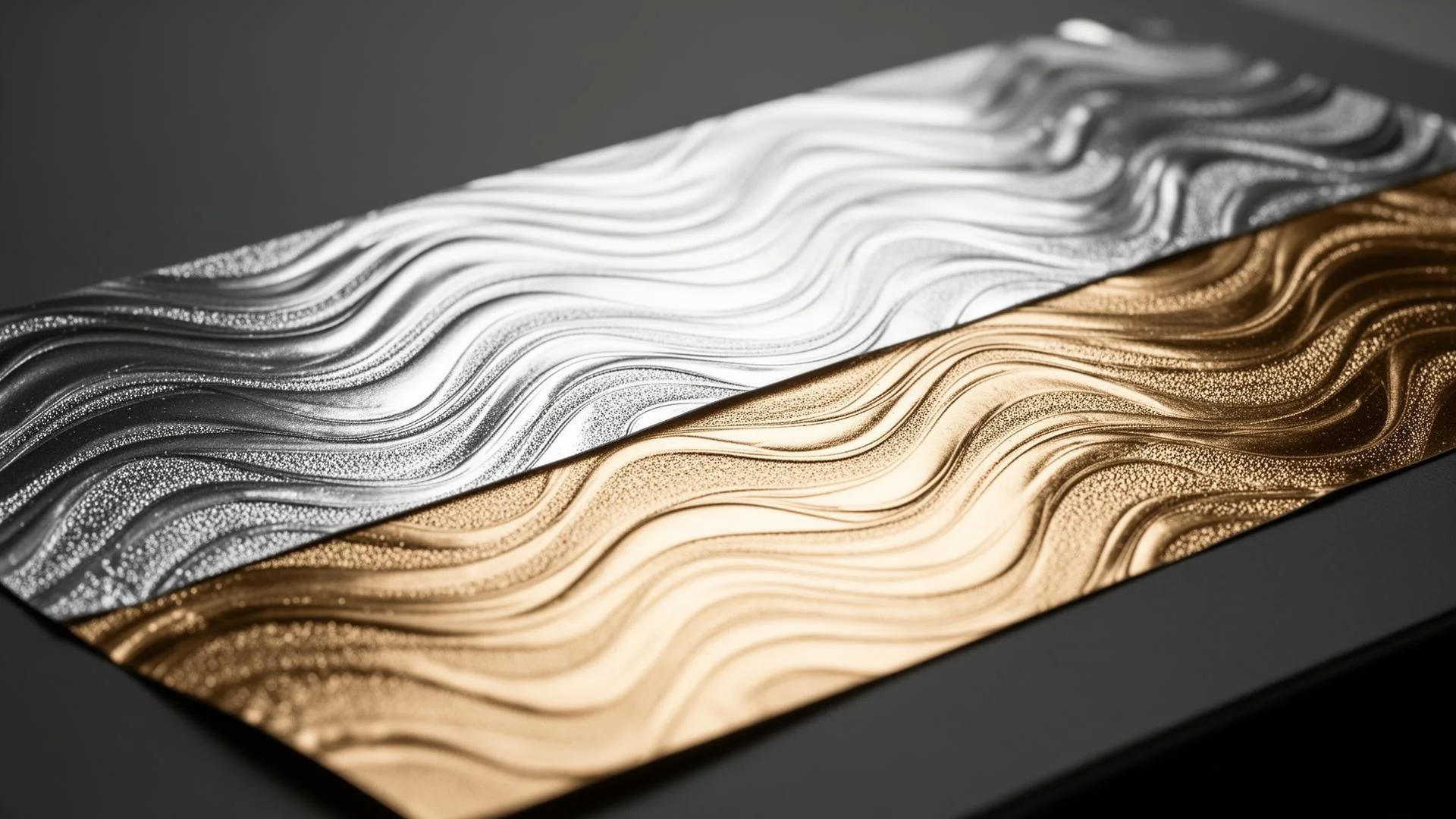
The result is a metallic image that can be mirror silver, gold, holographic, tinted, screened, textured or built into a larger print system.
Why the technique exists
Cold foil was developed to solve a packaging production problem: brands wanted metallic shelf impact, but converters needed the speed and flexibility of printing.
Hot stamping creates excellent shine, but it usually depends on dies, heat, dwell time and a secondary operation. Cold foil moves metallic decoration into the main press pass, which makes it attractive for labels, cosmetics cartons, wine and spirits, FMCG and pharmaceutical packaging.
“The U.S. Environmental Protection Agency describes volatile organic compounds as chemicals that “may have short- and long-term adverse health effects,” which is one reason many printers prefer UV-curable, low-solvent process systems where appropriate. Source: EPA — Volatile Organic Compounds
A second driver is recycling. The Fibre Box Association notes that paper and paperboard packaging continues to be recovered at high rates in North America, and metallic decoration systems must be evaluated for how they behave in those fiber streams. Source: Fibre Box Association recycling statistics
How the cold foil technique works on press
Cold foil is best understood as a controlled stack of chemistry, pressure and release behavior. Each layer must do its job at production speed.
—1. Adhesive image printing
The printer applies UV adhesive only where foil is required. In flexo, this is usually handled by a plate, anilox and cold foil adhesive station. In sheetfed offset, adhesive can be printed before the foil module. The adhesive film must be smooth enough to reflect light cleanly, but strong enough to anchor the metal layer.
—2. Foil transfer
The foil web enters the nip and meets the adhesive image. The pressure window is important: too little pressure creates skips or weak transfer; too much can crush fine detail, spread adhesive or mark sensitive substrates.
—3. UV curing
UV energy cures the adhesive while the foil is still in contact with the substrate. Lamp output, dwell time, press speed and adhesive chemistry all influence final adhesion. Poor cure can cause tape-test failure, edge lift or poor overprint acceptance.
—4. Carrier separation
After curing, the PET carrier peels away. The release layer lets the metal detach only where adhesive was printed. A clean peel is what gives cold foil its sharp edges and high-definition image areas.
—5. Overprinting and finishing
One of the biggest advantages is overprinting. A silver cold foil base can become champagne gold, rose gold, emerald, blue chrome or subtle metallic halftones by printing process inks over the foil. This is why cold foil is common in premium packaging families with many color variants.
Cold foil vs hot foil vs digital foil
Cold foil, hot foil and digital foil all create metallic effects, but they solve different production problems.
- Cold foil is best for inline press speed, large metallic areas, fine screened effects and over-printable metallic color.
- Hot foil is best for deep emboss-like impression, luxury tactile effects and smaller premium details where die cost is justified.
- Digital foil is best for very short runs, personalization and prototype quantities, but it may not match rotary production economics.
For brand teams comparing decoration methods, cold foil often wins when metallic artwork must be produced at scale across many SKUs. For a deeper buyer comparison, see our hot vs cold foil stamping guide.
Where the technique performs best
Cold foil is strongest when metallic decoration is part of the printed design system rather than a single isolated emblem.
Common uses include:
- Beauty cartons with silver underprints converted into colored metallic gradients.
- Wine labels that need fine typography, foil borders and wet-bottle resistance.
- Pharmaceutical cartons requiring clean, repeatable detail and high-speed converting.
- FMCG labels where metallic shelf impact must fit tight cost and lead-time targets.
- Security or promotional packaging using holographic cold foil windows.
Cold foil is less ideal when the design requires a deep debossed impression, very rough uncoated stock without surface preparation, or a tactile hot-stamped mark that is intentionally separate from print.
Artwork rules for clean cold foil
Good cold foil artwork is engineered, not just designed. The best results come from controlling adhesive coverage and overprint expectations early.
Use these rules when briefing a cold foil job:
- 1Keep very fine reverse text conservative unless the substrate and adhesive system are proven.
- 2Avoid large 100% foil solids beside extremely delicate hairlines without testing transfer balance.
- 3Use silver foil as a universal metallic base when many colored metallic effects are needed.
- 4Specify overprint ink densities with press trials, not screen previews.
- 5Leave room in the schedule for substrate, adhesive, lamp and varnish validation.
Quality checks converters should run
A cold foil job should be evaluated with measurable checks, not only visual approval.
Recommended checks include:
- Tape adhesion after full cure.
- Rub resistance after varnish or coating.
- Registration tolerance between adhesive, foil and overprint stations.
- Metallic density or gloss readings for repeat jobs.
- Chill, condensation or alkaline-resistance tests for beverage labels.
- Recycling or repulpability review where paperboard claims are made.
The International Organization for Standardization publishes printing and packaging standards that can support consistent test methods and customer specifications. Source: ISO — standards for printing technology
Is the cold foil technique sustainable?
Cold foil can support more resource-efficient decoration when it replaces offline hot stamping, reduces setup waste, eliminates separate die tooling, and keeps metallic decoration inline with print. However, sustainability is job-specific. Substrate, adhesive, coating, ink coverage, foil area and local recycling infrastructure all matter.
A responsible specification should avoid broad claims and instead document:
- Foil coverage percentage.
- Substrate recyclability.
- Adhesive and coating system.
- Waste matrix handling.
- Whether the finished package has been tested in the relevant recovery stream.
For more on material selection and packaging intent, review our cold foil products and technology overview.
Bottom line
The cold foil technique is a high-speed way to create premium metallic packaging inside the normal print workflow. It transfers metal only where printed adhesive is present, supports overprinted color, reduces dependence on heated dies, and gives converters a flexible route to scalable metallic design.
For most brands, the decision is not simply “foil or no foil.” The better question is: does the metallic effect need to behave like part of the print system? If yes, cold foil is usually the technique to test first.
Frequently asked questions
What is the cold foil technique? +
The cold foil technique is an inline print process that transfers a metallic layer from a foil carrier onto UV adhesive printed on labels or cartons. It does not require a heated stamping die.
How does cold stamping work? +
Cold stamping works by printing UV adhesive in the design area, pressing foil onto that adhesive, curing it with UV light, and removing the carrier film so the metal layer remains on the substrate.
How to do foil stamping at home? +
Home foil stamping is usually done with toner-reactive foil, adhesive sheets or craft heat tools. It is not the same as industrial cold foil, which needs a press, UV adhesive, foil module and controlled curing.
Why is hot stamping better than cold stamping? +
Hot stamping can be better when a raised or debossed tactile mark is required, or when a design needs the classic pressure impression of a heated die. Cold foil is usually better for inline speed, overprinting and complex metallic print effects.
How to apply cold foil? +
Cold foil is applied by printing UV adhesive, laminating foil to the wet adhesive under pressure, curing the adhesive, then peeling away the carrier. The process is normally performed on a flexo, offset or rotary press with a cold foil module.
Is hot foil stamping still popular? +
Yes. Hot foil stamping remains popular for luxury packaging, invitations, book covers and premium details. Cold foil has grown because it fits high-speed packaging lines and overprinted metallic designs.
Is foil stamping the same as hot stamping? +
Not always. “Foil stamping” is a broad term. Hot stamping uses heat and a die, while cold foil stamping uses printed adhesive and UV curing. Both transfer metallic foil, but the equipment and production economics differ.
What is the process of foil stamping? +
The process depends on the method. Hot foil stamping uses a heated die, pressure and foil. Cold foil stamping uses printed UV adhesive, foil transfer, UV curing and carrier separation.
Do you need a special printer for foiling? +
For industrial cold foil, yes — you need a press or module designed for cold foil transfer and UV curing. For craft foiling, a laser printer or toner-reactive system may work, but it will not match packaging-grade cold foil performance.