Flexo Cold Foil Stamping Materials for Label and Packaging Converters
CFS supplies cold transfer foil rolls for UV flexo label projects, in gold, silver, holographic and specialty finishes. The suitable grade is confirmed against your label construction, adhesive system, press and trial results.
- UV flexo inline transfer
- Narrow-web label projects
- Foil rolls only — no adhesive or equipment supply
- Trial roll before production
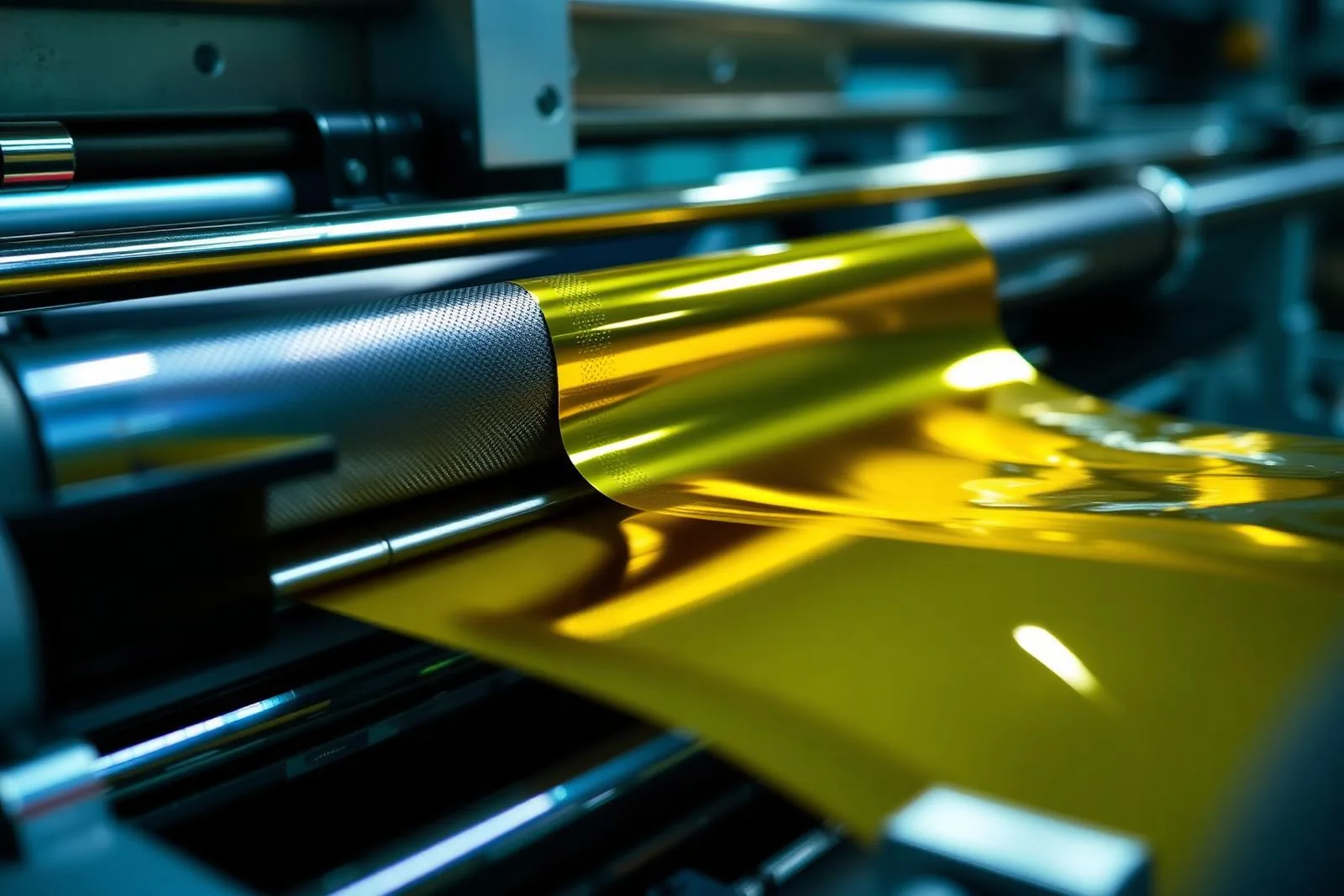
Foil rolls only
Adhesive, curing and equipment come from your own suppliers
Trial first
Compatibility is confirmed on your materials, not assumed
What should you confirm when selecting cold foil for UV flexo labels?
CFS supplies the foil roll. Whether a foil transfers and performs on your line depends on the whole system, so confirm each item below with the relevant supplier and record it before a trial.
Label construction
Confirm: Face material and brand or grade, coating, printed surface, and whether the foil is viewed from the front or through clear film.
Why: The surface the adhesive wets and the viewing direction set which routes are even possible.
Adhesive system
Confirm: Adhesive supplier and grade, its stated cure requirements and the substrates it is documented for.
Why: Cold-transfer adhesive is a different material from pressure-sensitive label adhesive, and it is matched to the foil and the equipment as a system.
Curing equipment
Confirm: UV LED or arc, where the adhesive station cures relative to the nip, and the configuration the adhesive and foil suppliers specify.
Why: Process layouts differ between presses; do not assume one cure sequence applies everywhere.
Adhesive application
Confirm: Plate, anilox specification and its measured condition, as recommended by the adhesive supplier.
Why: Nominal anilox volume does not guarantee the film actually applied. See the anilox selection guide.
Press and web path
Confirm: Press make and model, web width, foil unwind and rewind arrangement, and running speed for the foil station.
Why: Speed, tension and pressure are set on your equipment and recorded in the trial.
Overprint and protection
Confirm: Whether process color, white, varnish or lamination goes over the foil, and with which ink and coating suppliers.
Why: Overprint appearance and adhesion depend on the actual foil, ink and finish combination.
End-use requirements
Confirm: Container, filling and handling conditions, and any checks agreed between you and your customer.
Why: CFS does not issue end-use guarantees; agree acceptance checks in advance.
Trial plan
Confirm: Roll format, waste allowance and who approves the sample.
Why: A written record of materials and conditions is what makes a trial useful later.
Choose the finish, then confirm the grade
Pick the visual effect first, then confirm the specific grade for your project. A finish does not mean the grade suits every press or material. Compare finishes on the product comparison page or view the product pages for Silver, Bright Gold and Holographic.
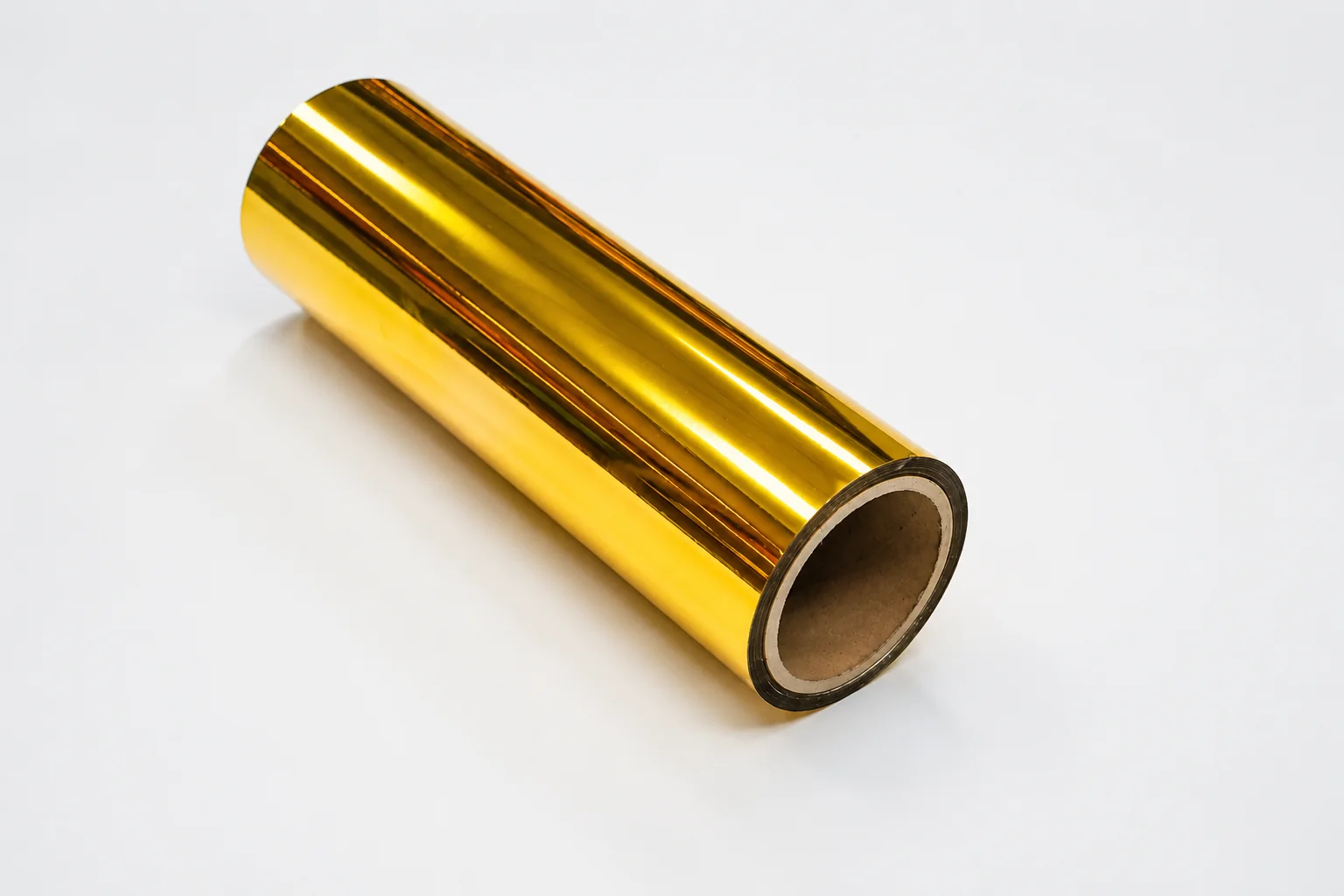
Bright Gold
A gold metallic finish for wine, spirits and confectionery label designs.
View product and effect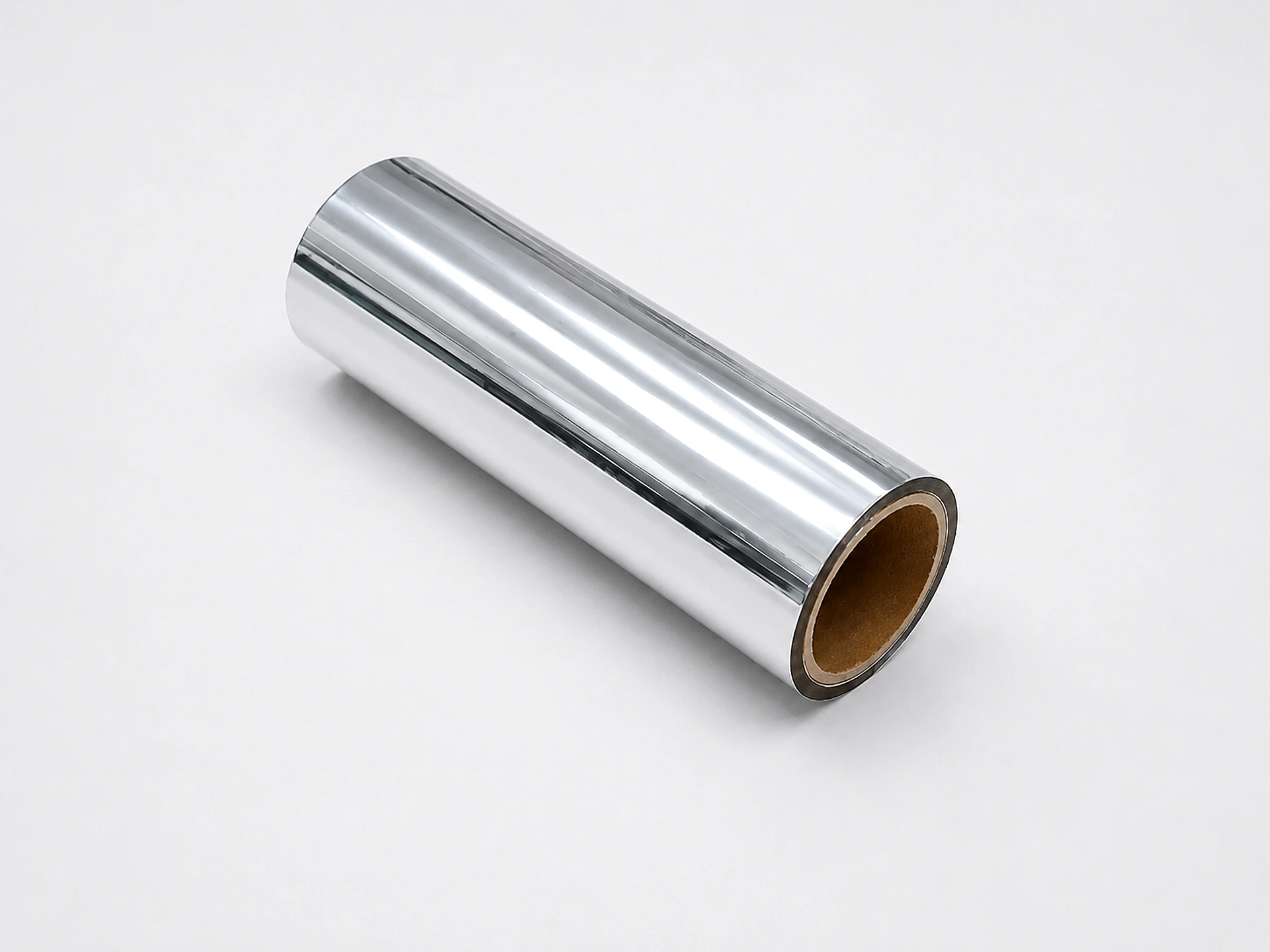
Silver
A silver metallic base; process colors printed over silver can create colored metallic effects when the ink and foil combination is confirmed.
View product and effect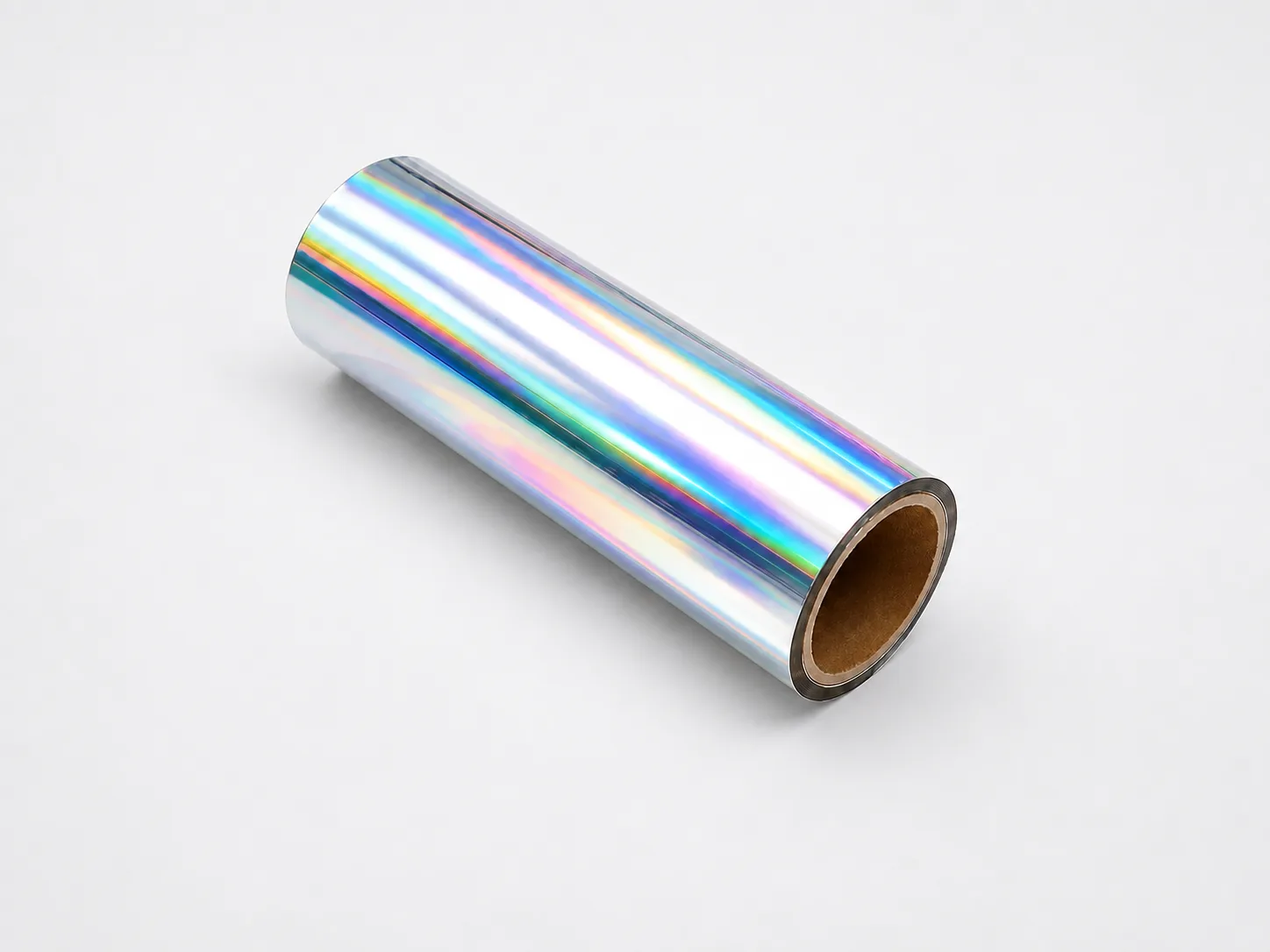
Holographic
A diffraction-pattern decorative effect. It is a visual finish, not an authentication or traceability feature.
View product and effect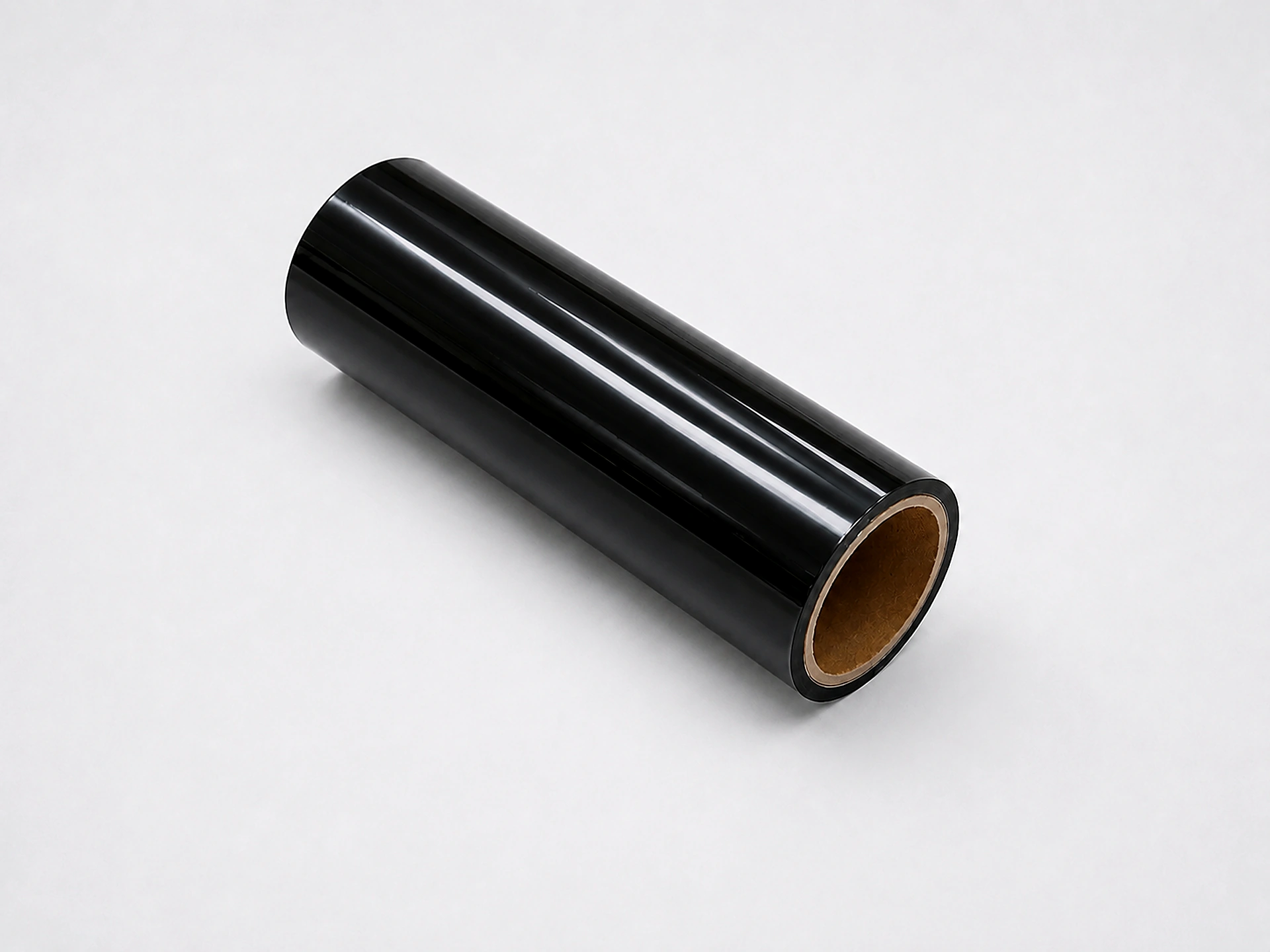
Matte Black
A low-gloss black finish for premium cosmetics and craft spirits designs.
View product and effect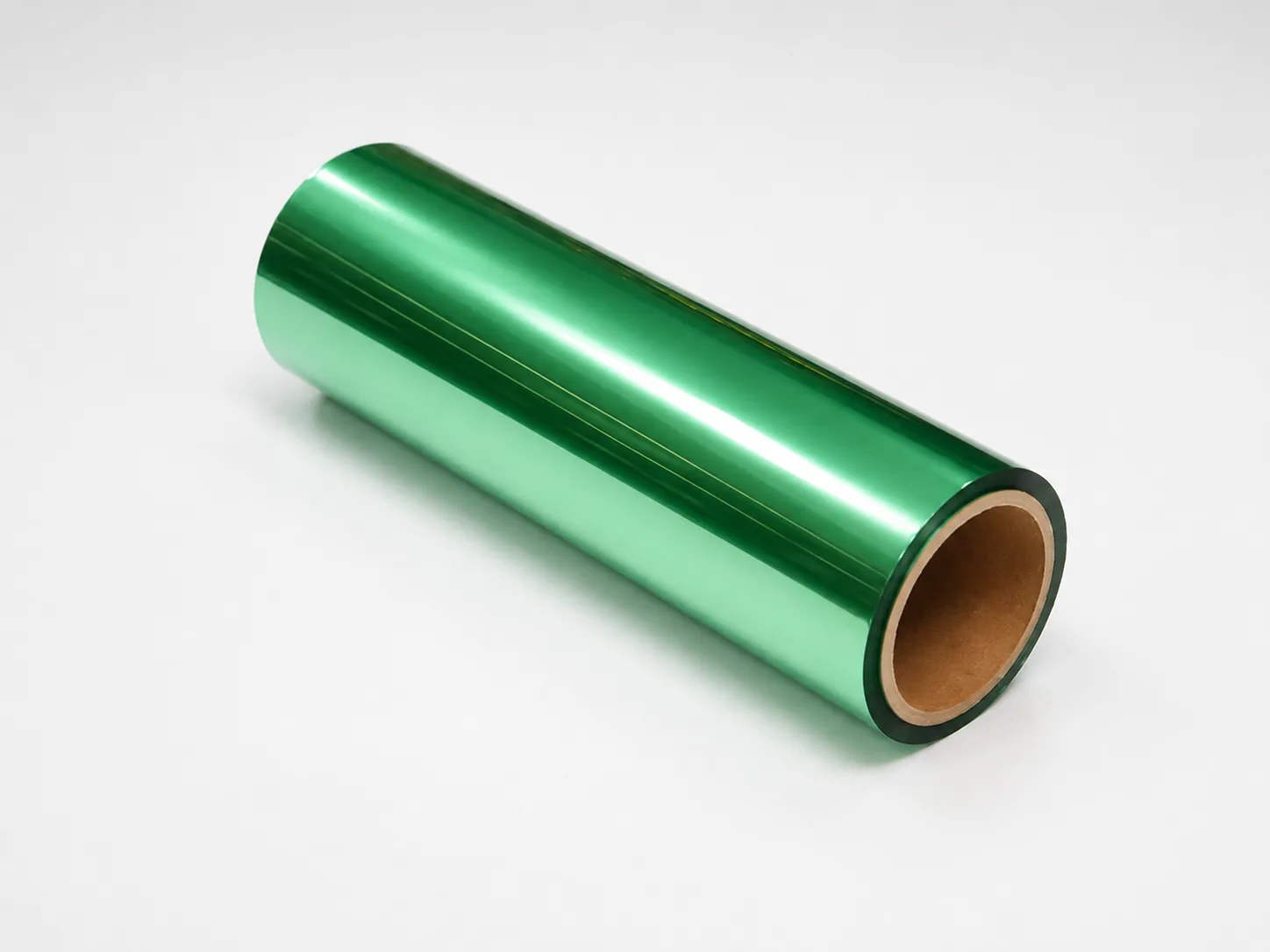
Deep Emerald
A colored metallic finish for beverage and cosmetic designs that want shade without a second overprint pass.
View product and effectAll 12 grades
Browse the full range by finish and end application in the product finder.
Open product finderMatch the foil to the label construction
Film or paper, viewing direction, overprint and protective layers each change the question you ask the suppliers. This table is a selection checklist, not a performance rating.
| Question | Why it matters | What to do next |
|---|---|---|
| Is the face material film or paper? | Surface smoothness, absorbency and coating influence how the adhesive image sits and how the foil looks. | Share the face-material brand and data sheet. For polypropylene film, see cold foil on BOPP labels. |
| From which side is the foil viewed? | Surface printing and reverse printing through clear film use different layer orders. | Mark the viewing side on the artwork. Clear-film constructions are covered in the reverse-print guide. |
| What goes over the foil? | Process color, white, varnish or lamination changes appearance and may need its own compatibility check. | List ink and coating suppliers and retain staged samples. |
| What does the finished label have to do? | Container, handling and filling conditions decide which checks matter. | Agree acceptance checks with your label customer; CFS does not certify end-use performance. |
For polypropylene film see cold foil on BOPP labels. For the converter's view of face materials, adhesives and printing, read the cold foil label materials guide, and for clear film, the reverse-print guide.
What needs to be recorded before a press trial?
These are the variables to note for each trial. Settings come from your adhesive, foil and equipment suppliers and are recorded, not copied from another line.
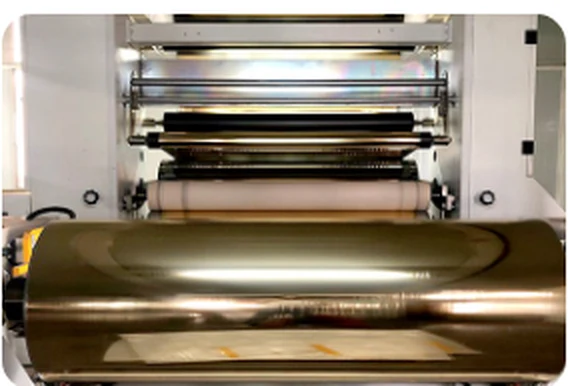
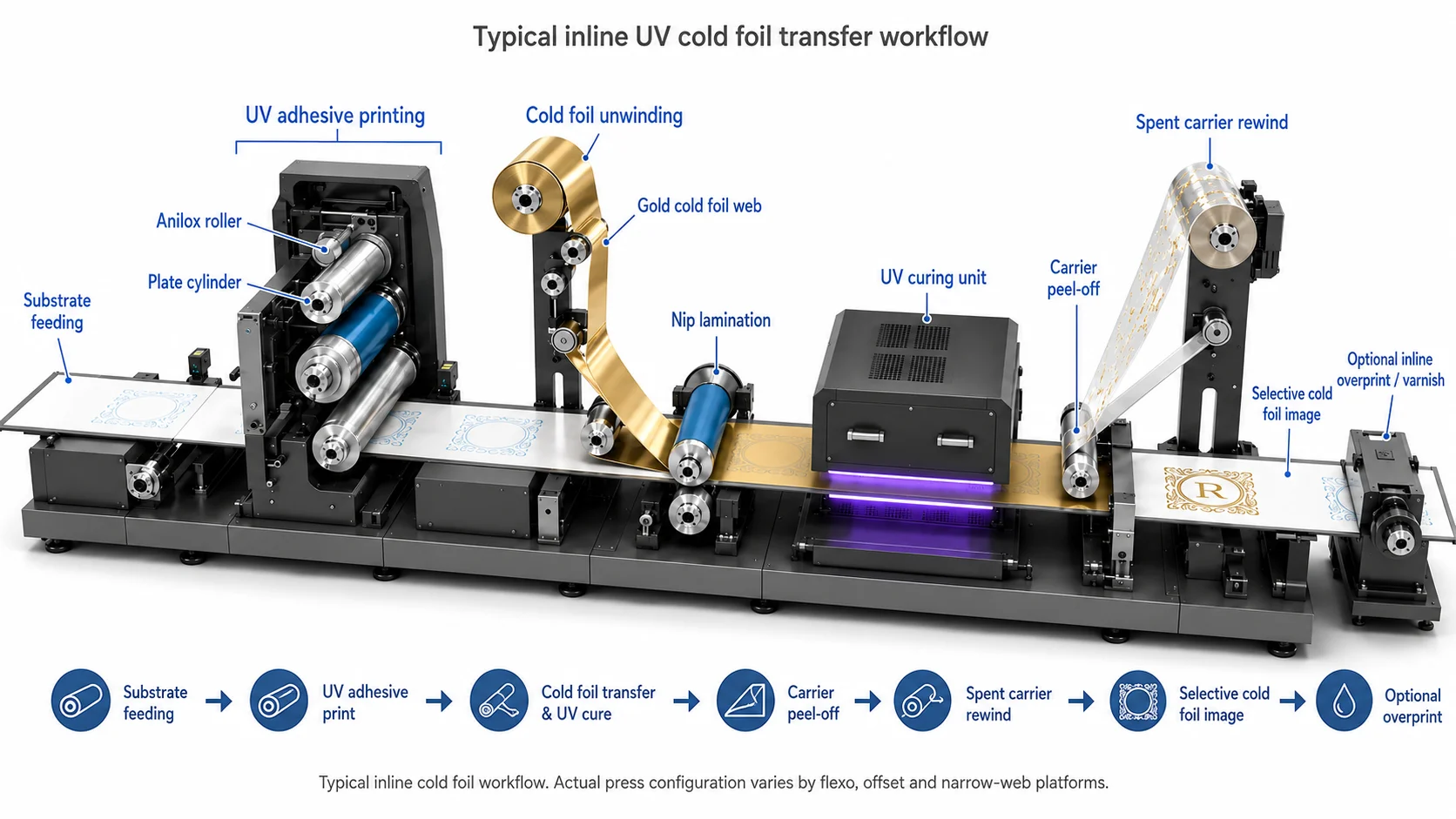
Step 1
Adhesive print
UV-curable adhesive is printed in the foil image through the flexo plate.
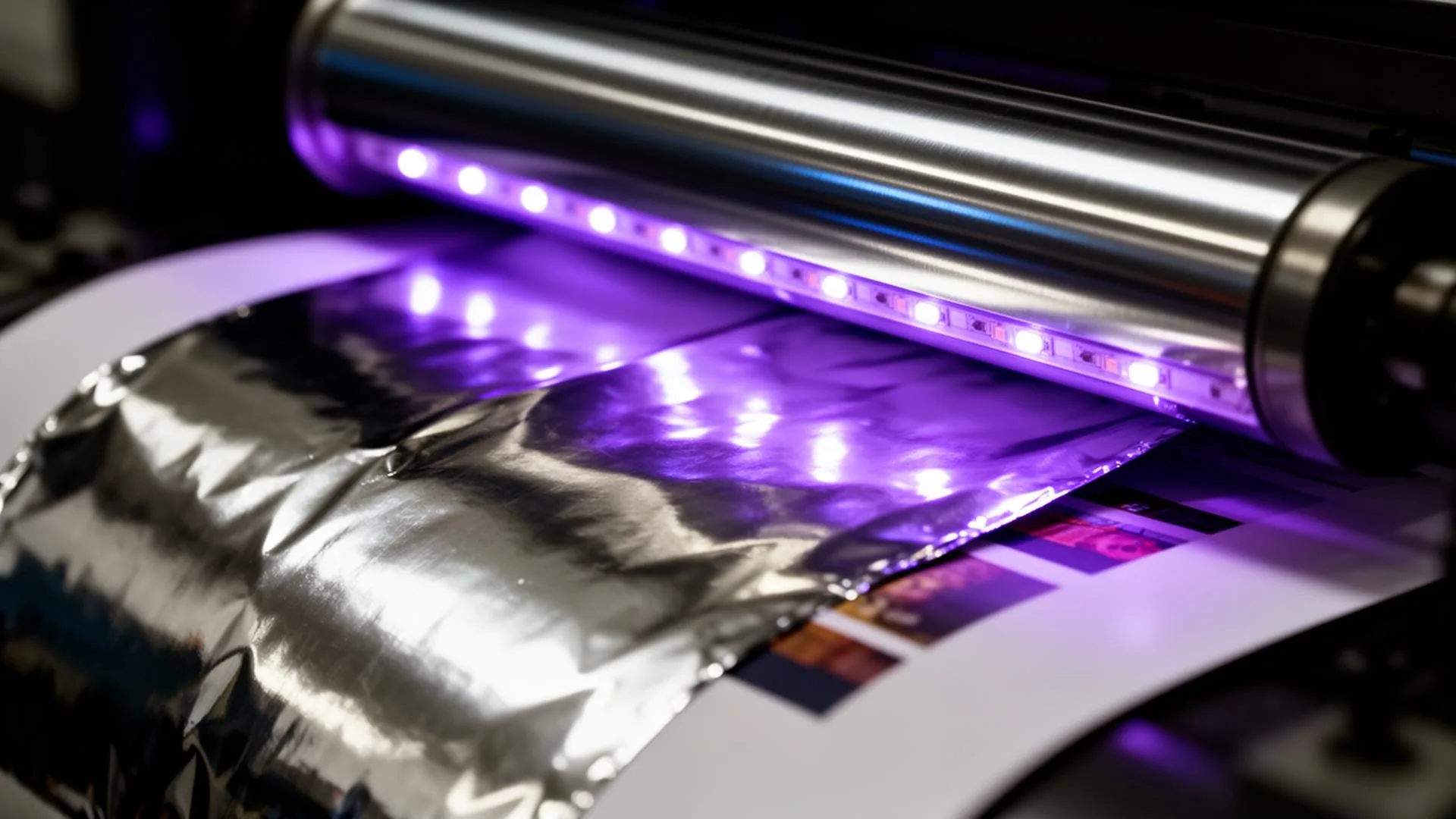
Step 2
Foil contact
Metallised web meets the adhesive image under controlled pressure.
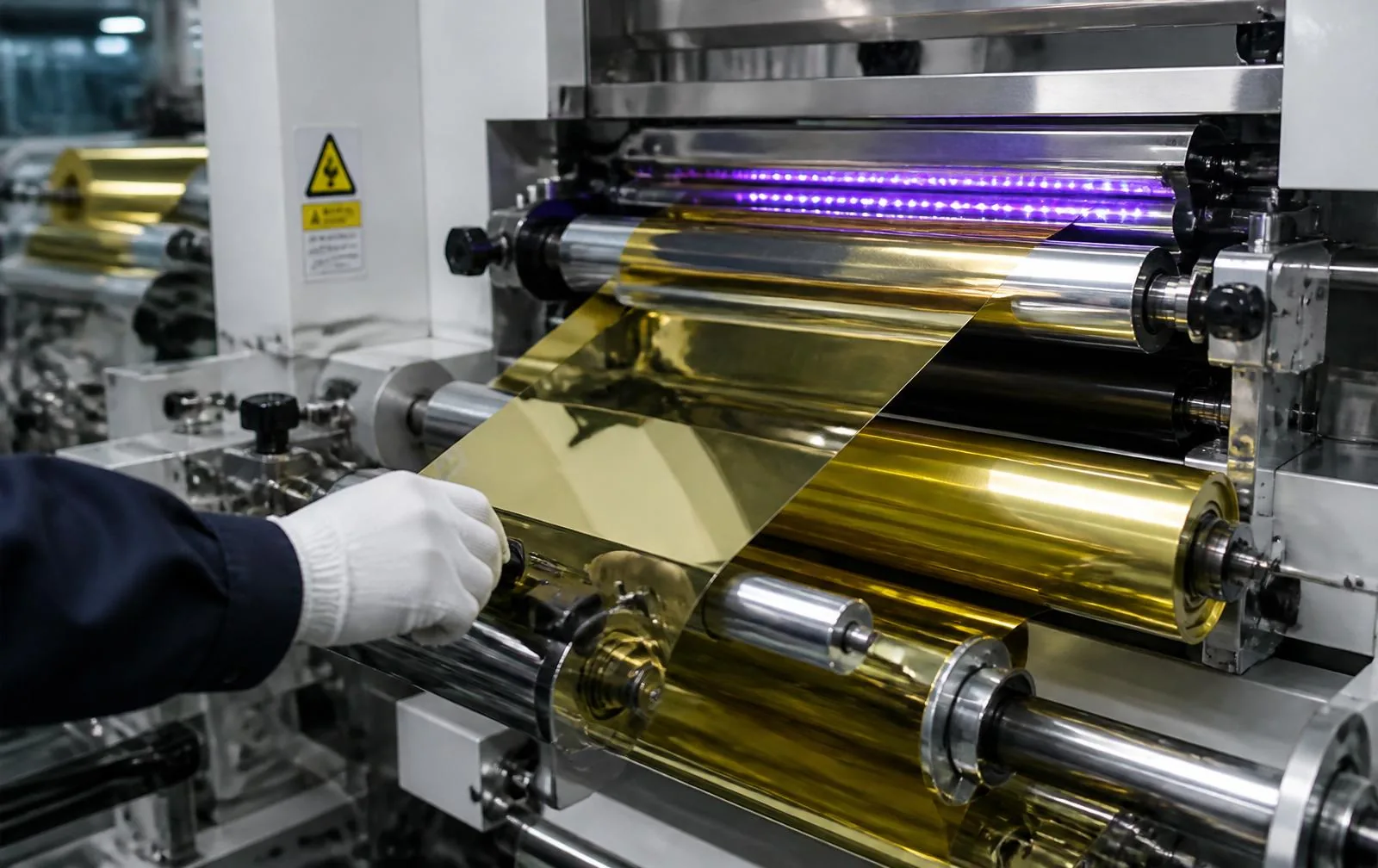
Step 3
Cure
Adhesive is cured as specified for the matched adhesive, foil and equipment.
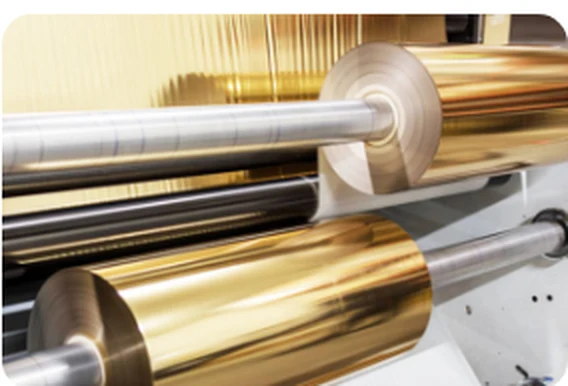
Step 4
Carrier removal
The carrier film is stripped and rewound; the foil image stays on the label.
Adhesive and foil pairing
The adhesive is the transfer mechanism. Record adhesive supplier and grade, the foil grade and lot, and the cure arrangement the suppliers specify. Adhesive chemistry cannot be assumed from the substrate name alone.
Adhesive application
Record the plate, the anilox specification, its measured condition and the adhesive temperature or viscosity under the supplier's measurement conditions. Nominal anilox volume is a starting reference, not the film delivered.
Contact pressure and web tension
Record foil and substrate tension, nip setting and running speed for the trial. Change one variable at a time and note the result, instead of copying settings from another press.
Curing configuration
Record lamp type, placement relative to the nip and the adhesive supplier's stated requirement. Verify the dose or output with the method the equipment maker recommends.
Substrate surface
Record the face material, coating, any surface treatment and the date and method of any surface measurement. Treatment can change over time, so note when it was measured.
Overprint over cold foil
Record foil grade, ink series, varnish or laminate and viewing conditions. Compare each stage of the construction before approving the finished one.
Defects and observations
Photograph what is observed and note where in the process it first appears. Use the defect guide to organize the investigation rather than changing the foil first.
Do you need swatches or a trial roll?
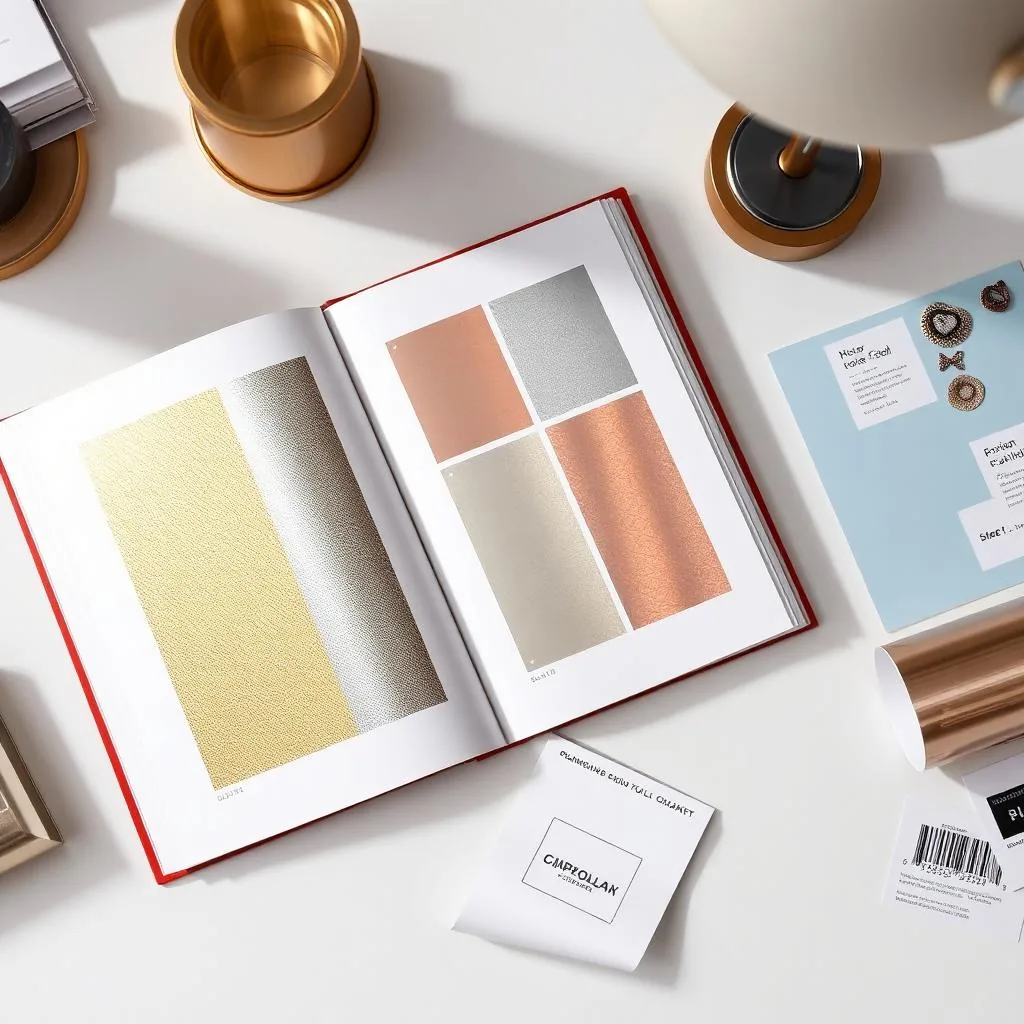
Swatches judge appearance
Use a color or swatch set to compare finishes. It does not show how a foil behaves on your press.
Cold foil sample kitA trial roll tests the combination
A trial roll lets you evaluate the foil with your own face material, adhesive and press. Terms are confirmed per project.
Cold foil sample rollRecord the result before a production enquiry
Note sample identity, materials, conditions and the checks you and your customer agreed. CFS has not validated your construction on your behalf.
Quote checklistSend a foil selection or RFQ brief
Send these project details through the request form or contact page. CFS replies about foil supply for your project; availability and terms of any trial roll are confirmed with you, not assumed. A complete record also makes the trial easier to compare later.

- Press model and manufacturer
- Web width (mm)
- Face material and supplier
- Adhesive supplier and grade
- UV lamp type (LED or arc)
- Running speed you plan for the foil station
- Foil color or effect required
- Artwork coverage and viewing side
- What is printed or applied over the foil
- Expected project volume
Where converters use it
Wine and spirits labels
Gold, champagne and silver finishes on label designs where handling conditions such as moisture should be agreed with the converter.
Explore applicationCosmetic labels
Rose gold, pearl and matte black effects for beauty ranges; color match is judged on a physical sample.
Explore applicationFMCG labels
Bright gold and silver finishes for consumer-goods labels, trialed on the converter's own press and materials.
Explore applicationSecurity-style decorative effects
Holographic foil gives a visible decorative effect. It does not by itself provide authentication or tracking.
Explore applicationPremium food packaging
Metallic accents on label formats. Food-contact suitability depends on the complete construction and must be confirmed with the relevant suppliers.
Explore applicationBOPP and other film labels
Film constructions that need project-level checks on face material, surface treatment, adhesive and viewing direction.
Explore applicationShrink sleeves
Specification and trial planning for sleeve film, seaming and post-shrink approval — a grade-specific application, not a proven compatible range.
Explore applicationFrequently asked
Can cold foil run on a flexo press?
Cold foil is designed to run on UV flexo presses that have a station for printing adhesive, a foil unwind and rewind and a suitable curing arrangement. The actual configuration depends on the press and the materials, so ask the adhesive and equipment suppliers for their requirements.
What adhesive is used for flexo cold foil?
A UV-curable cold-transfer adhesive from an adhesive supplier. It is a different material from pressure-sensitive label adhesive. Which grade suits a project depends on the face material, the foil and the curing equipment, so follow the adhesive supplier's documentation and confirm it in a trial.
What anilox roller should be used for cold foil adhesive?
There is no single specification that fits every job. Ask the adhesive supplier for its recommendation, record the nominal volume, the line screen and the measured condition of the roller, and compare changes under similar running conditions. Nominal volume alone does not guarantee the adhesive film delivered.
Which face materials work with flexo cold foil?
Coated paper and film constructions are both used, and each needs project-level confirmation of face material, coating, surface treatment and adhesive. CFS does not publish a universal list of approved materials.
Can CMYK be printed over cold foil on flexo labels?
Process color can be printed over a suitable foil, commonly silver, to create colored metallic effects. Whether a given ink, foil and finish combination adheres and looks right is confirmed on a staged sample from your own materials.
What should I check when transfer is poor?
Treat it as an investigation of the whole system. Record the materials, adhesive application, curing arrangement, pressure and tension, and change one thing at a time. The defect guide helps organize that.
Do I need swatches or a trial roll?
Swatches help judge appearance. A trial roll is for evaluating the actual foil, adhesive, face material and press combination. Availability and terms for either are confirmed when you submit your project details.
How do I send a foil selection brief?
Use the request form or the contact page and include the items in the checklist on this page. CFS replies about foil supply for your project; it does not supply adhesive, curing or printing equipment or finished labels.
Ready to plan a trial on your press?
Share your press, face material, adhesive system and target finish. We reply about foil supply and the trial route for your project.