Cold Foil Guide: Materials, Presses and Applications
Cold foil is a UV-cured metallic transfer process that runs inline at up to 450 m/min — zero VOC, over-printable, and ~30% lower CO₂ than hot foil stamping. This guide covers every variant, the press workflow, costs, and the full library of supporting articles.
- 450m/min
- Inline press speed
- 0VOC
- UV-cured adhesive system
- 30%
- Lower CO₂ vs hot stamping
- <5g/m²
- Aluminium deposit per m²
01 · Definition
What is cold foil?
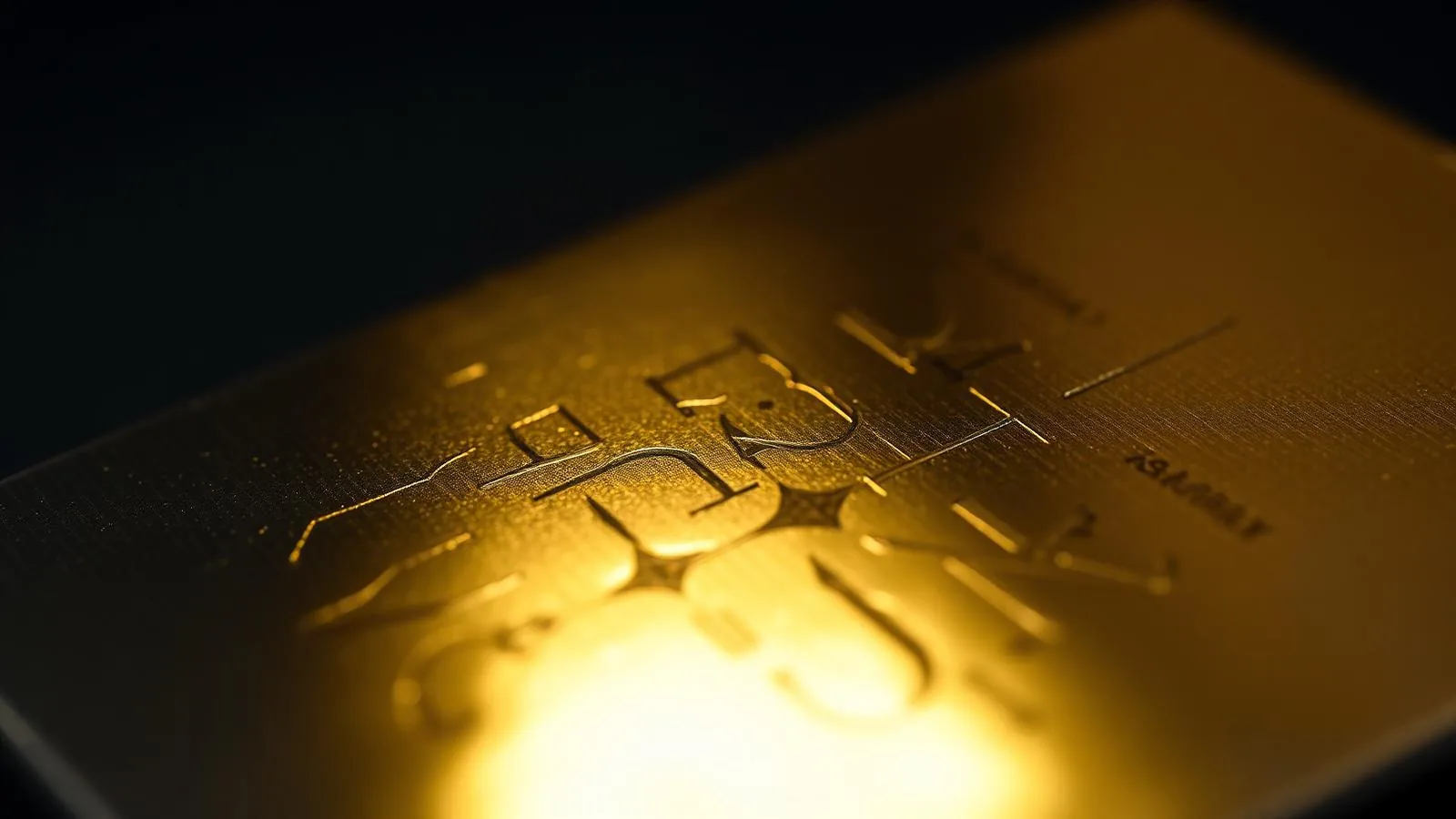
Cold foil is a metallic decoration process where a vacuum-metallised polyester film transfers its aluminium layer onto a printed UV adhesive at room temperature. Unlike hot foil stamping, there is no heated brass die and no physical embossing — the foil bonds wherever the flexo unit prints adhesive, and the carrier film is rewound and recycled.
The result is a high-specular metallic surface (gold, silver, copper, holographic) that can be over-printed with CMYK in the same pass. Cold foil runs inline on UV-flexo and offset presses at speeds up to 450 m/min, which is why it has become the default metallic process for high-volume cosmetics, wine & spirits and folding carton packaging.
For a deeper technical walk-through, see how cold foiling works, the step-by-step process and the cold foil stamping definition.
02 · The three cold foil families
Three families cover ~95% of cold foil packaging today
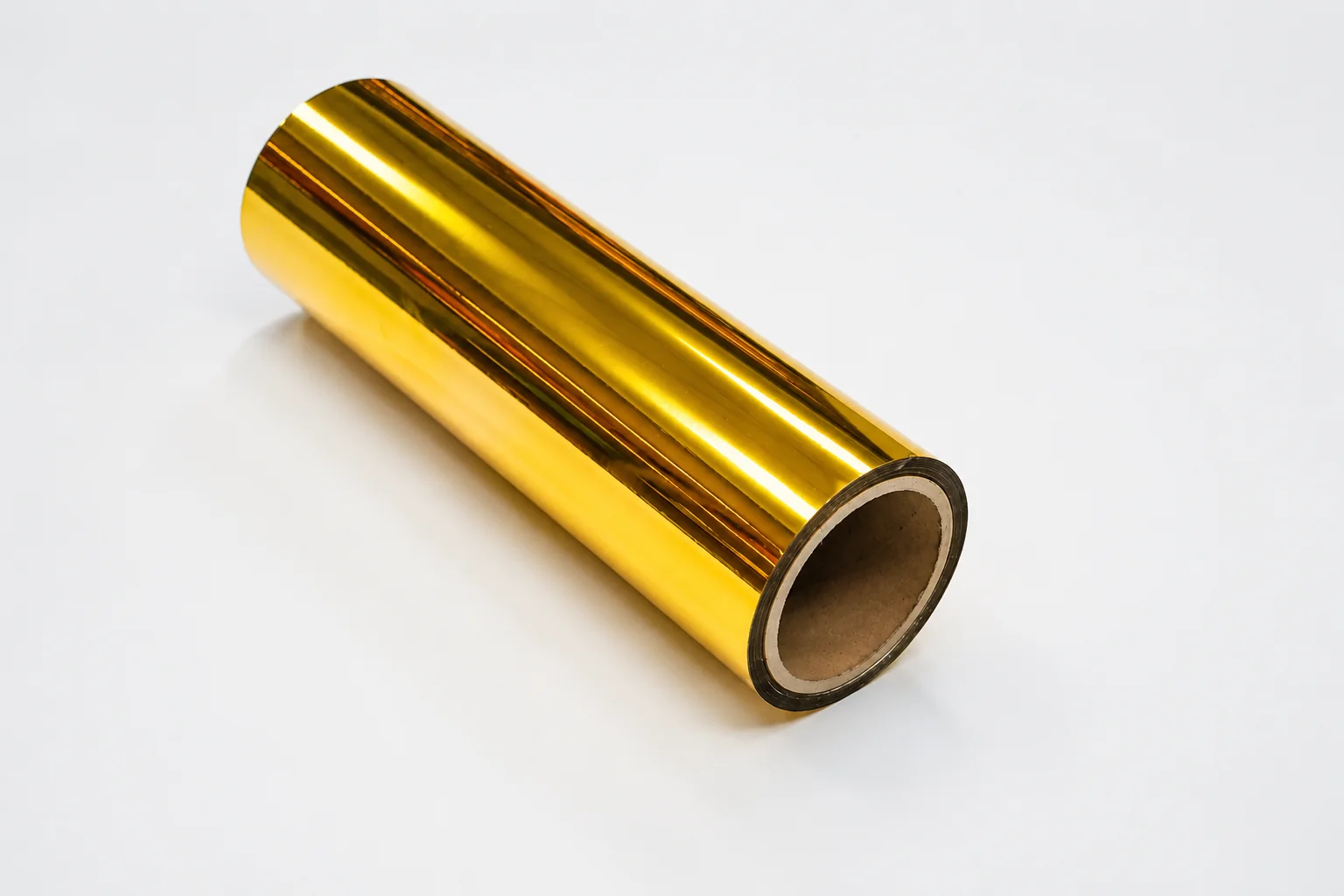
Metallic cold foil
Gold, silver, copper, rose gold, champagne and tinted metallics. The workhorse family — covers ~80% of luxury packaging foil demand.
Explore metallic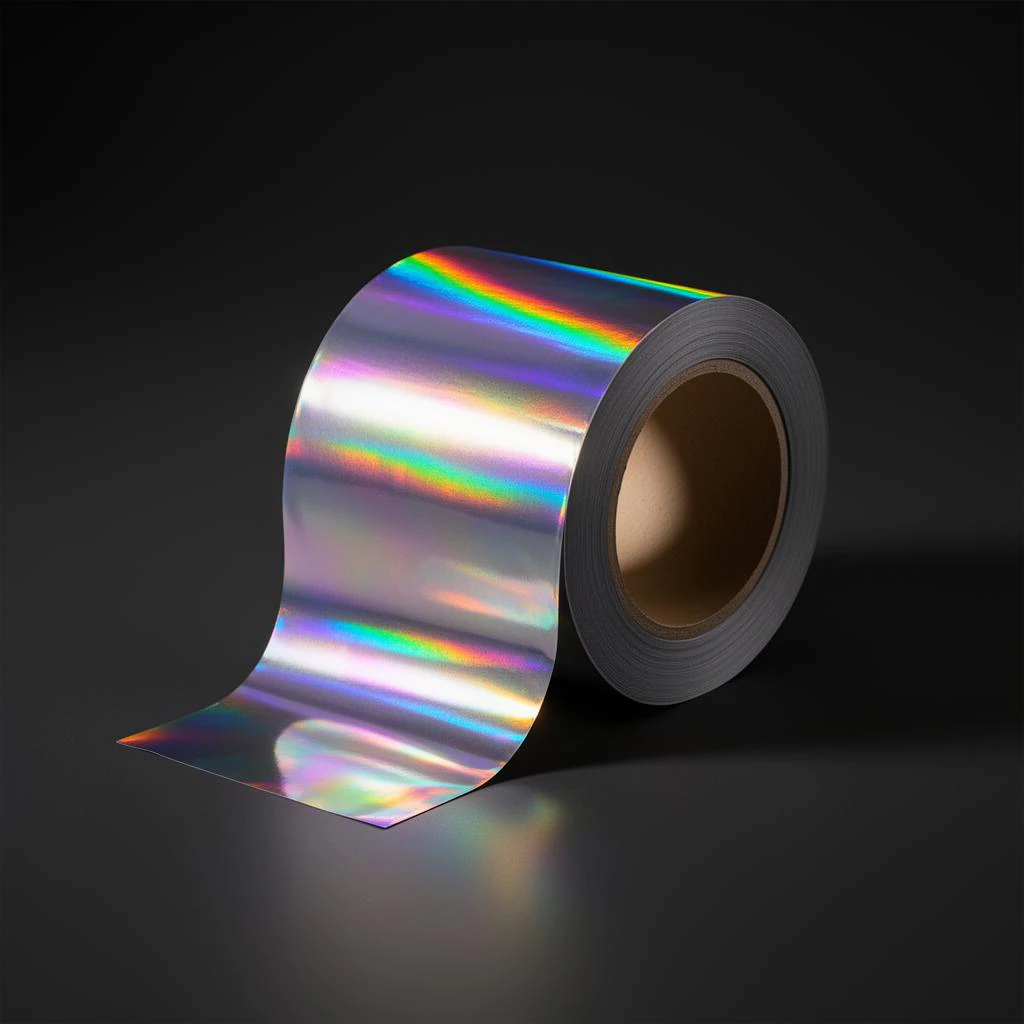
Holographic cold foil
Diffraction-grating cold foil with rainbow, pillar and 3D star patterns. Anti-counterfeit and shelf-appeal in one pass.
Explore holographic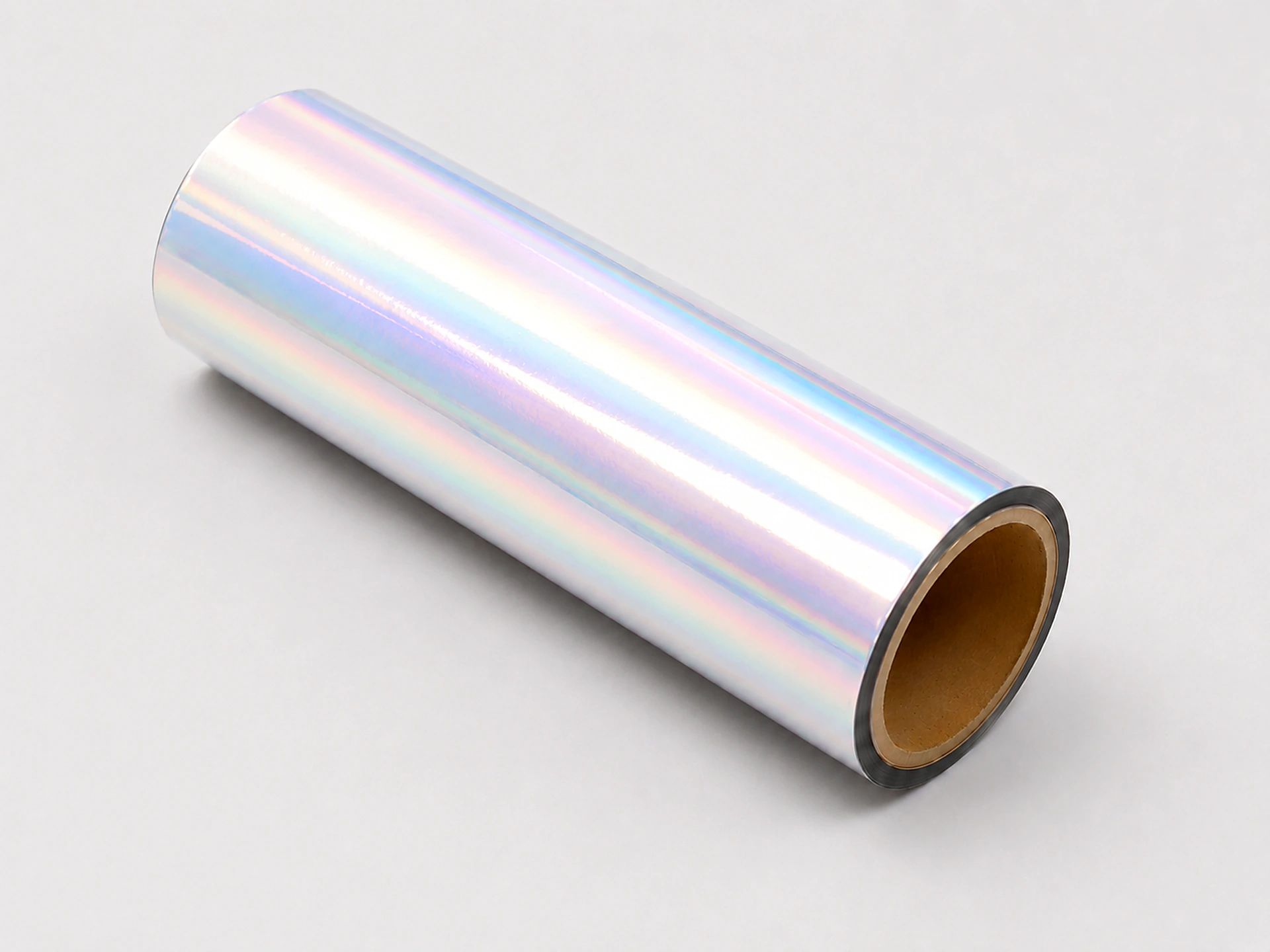
Rainbow & iridescent
Pastel rainbow, mica iridescent and pearlescent cold foil for K-beauty, gifting and limited-edition fashion drops.
Explore rainbow03 · Why brands switch to cold foil
Faster, cleaner, and over-printable
Press speed up to 450 m/min
Cold foil runs inline on UV-flexo and offset presses at full production speed — no second pass, no offline finishing bottleneck.
Zero VOC, ~30% lower CO₂
UV-cured adhesives emit no solvent. PE/PET carrier film is collected and recycled; aluminium deposit is below the EU PPWR mono-material threshold.
Lower tooling cost
Cold foil uses a flexo plate (~$50–$200) instead of a brass/magnesium hot-stamping die ($300–$1,500+). Break-even shifts in favour of cold foil above ~5,000 sheets.
Over-printable surface
Print CMYK directly on the metallic deposit to build tinted golds, copper from silver, or a full-colour rainbow metallic effect in one inline pass.
03b · Process
The cold foil stamping process, station by station
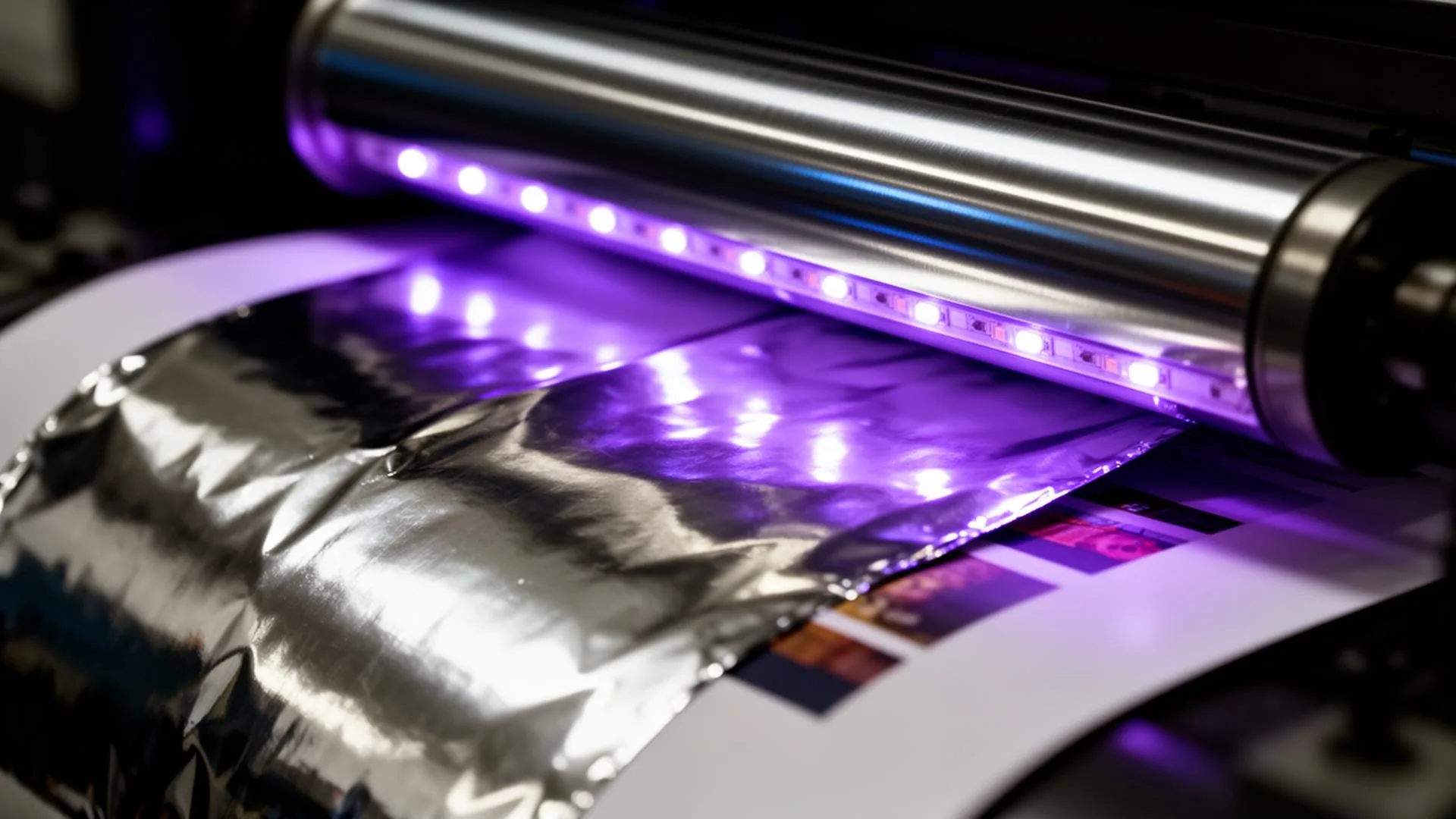
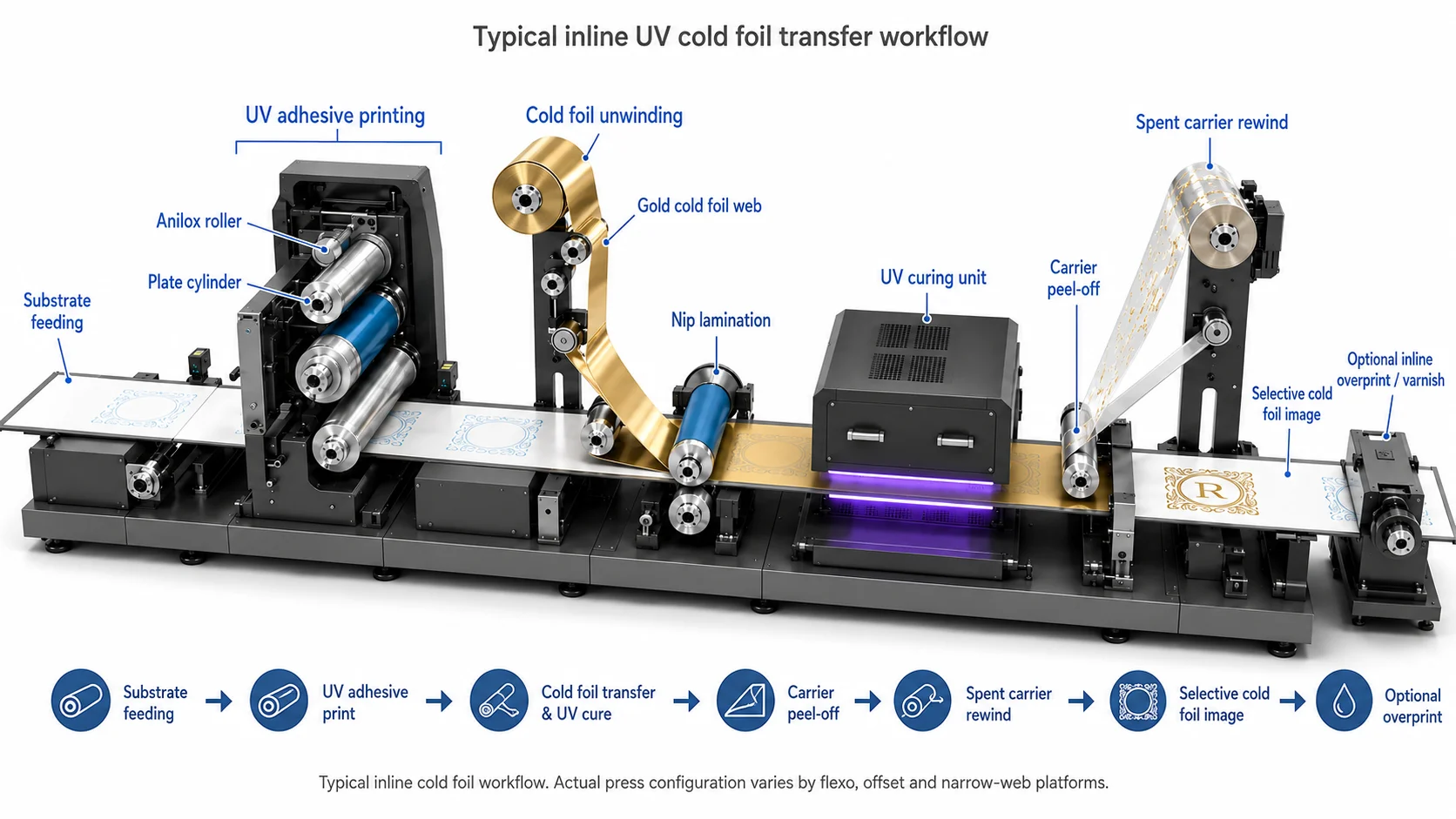
On a UV-flexo or sheet-fed offset press, cold foil is a four-station inline operation. The substrate never leaves the press, which is what makes it 5–10× faster than hot stamping.
1. Print UV adhesive
A flexo plate lays down a tack-free UV adhesive only where foil should appear. Coat weight is typically 1.5–3 g/m².
2. Laminate foil web
The metallised PET film is nipped against the wet adhesive under a chrome roller. The aluminium layer wets out into the adhesive.
3. UV cure through carrier
A UV-LED or mercury lamp cures the adhesive through the transparent PET carrier in milliseconds, locking the foil in place.
4. Peel & rewind carrier
The spent PET carrier peels cleanly, leaving foil only on the adhesive image. CMYK overprint can then run in the next units.
Full walk-through: How cold foil stamping works, step by step.
03c · Materials
Foil, adhesive and substrate
Cold foil rolls
12–23 μm PET carrier, vacuum-deposited aluminium release-coated for cold transfer. Standard widths 320–1,250 mm; mirror, brushed, holographic and tinted finishes.
Browse cold foil rolls →UV adhesive
Cationic or free-radical UV adhesive with 1.5–3 g/m² coat weight, optimised for fast tack and clean peel. Choice depends on substrate and downstream coatings.
See supplies guide →Substrate
Coated SBS, FBB and metallised board run easiest. Uncoated stock needs a primer; films (PE, PET, BOPP) need corona treatment for adhesive anchorage.
Cold foil on uncoated paper →03d · Applications
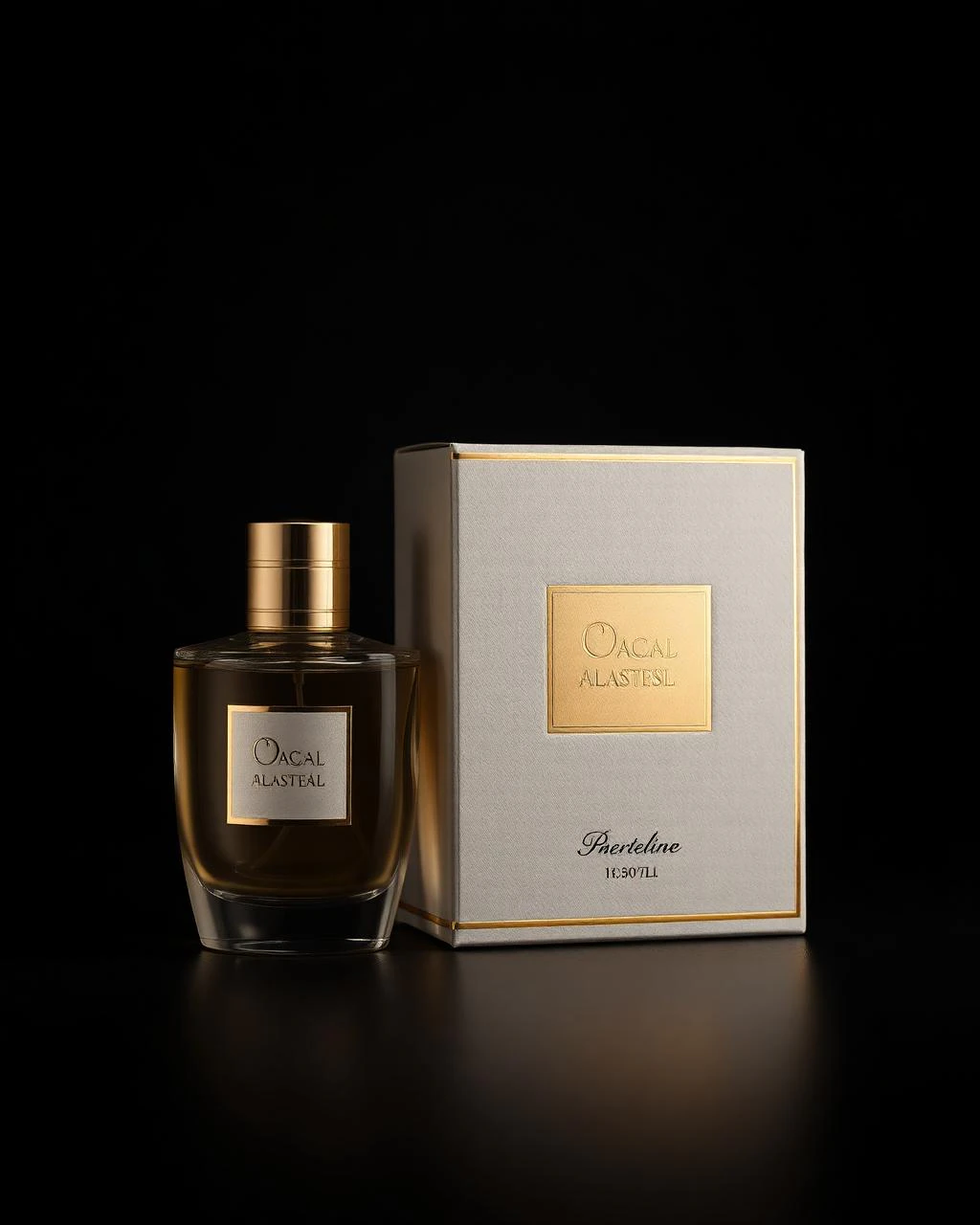
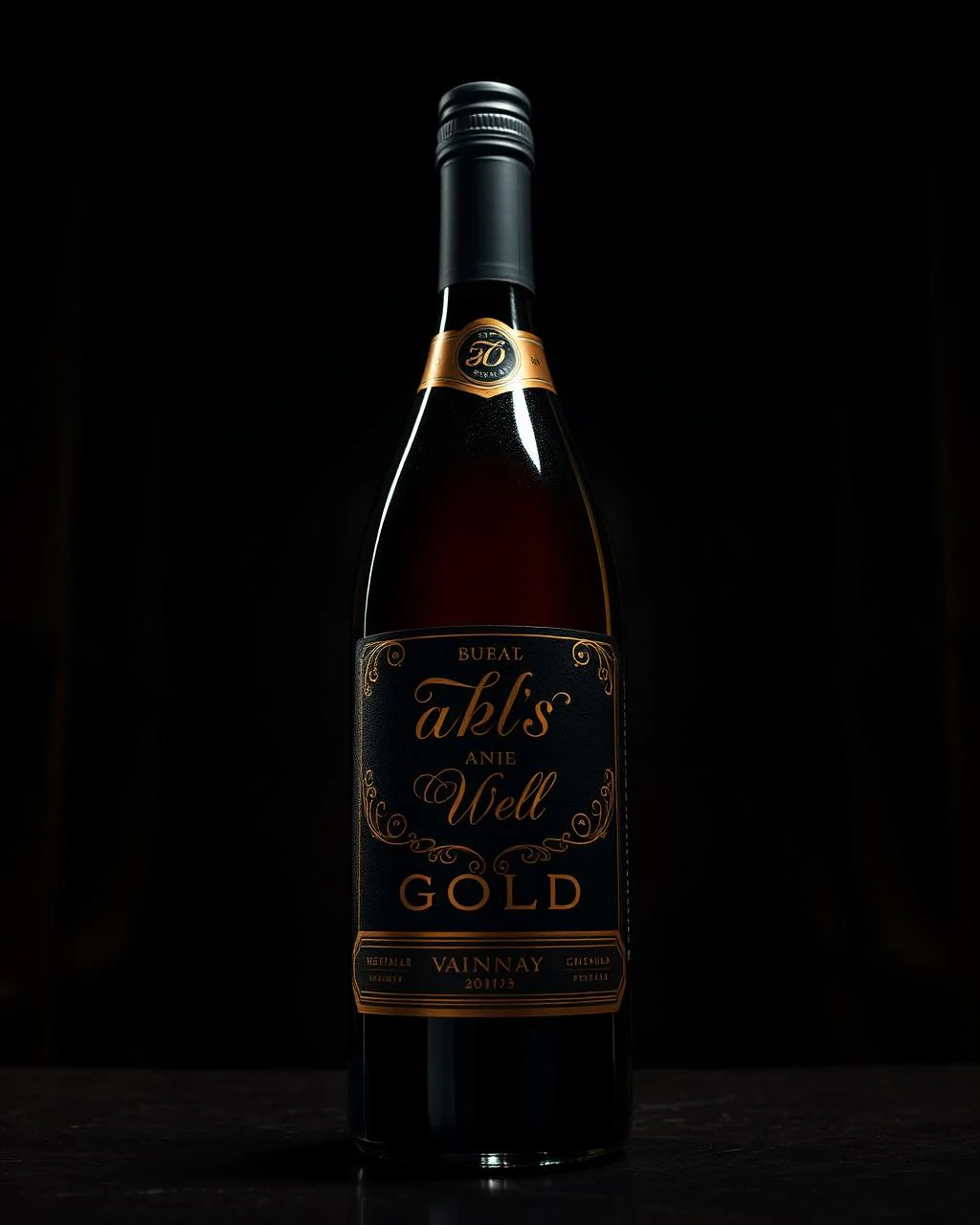
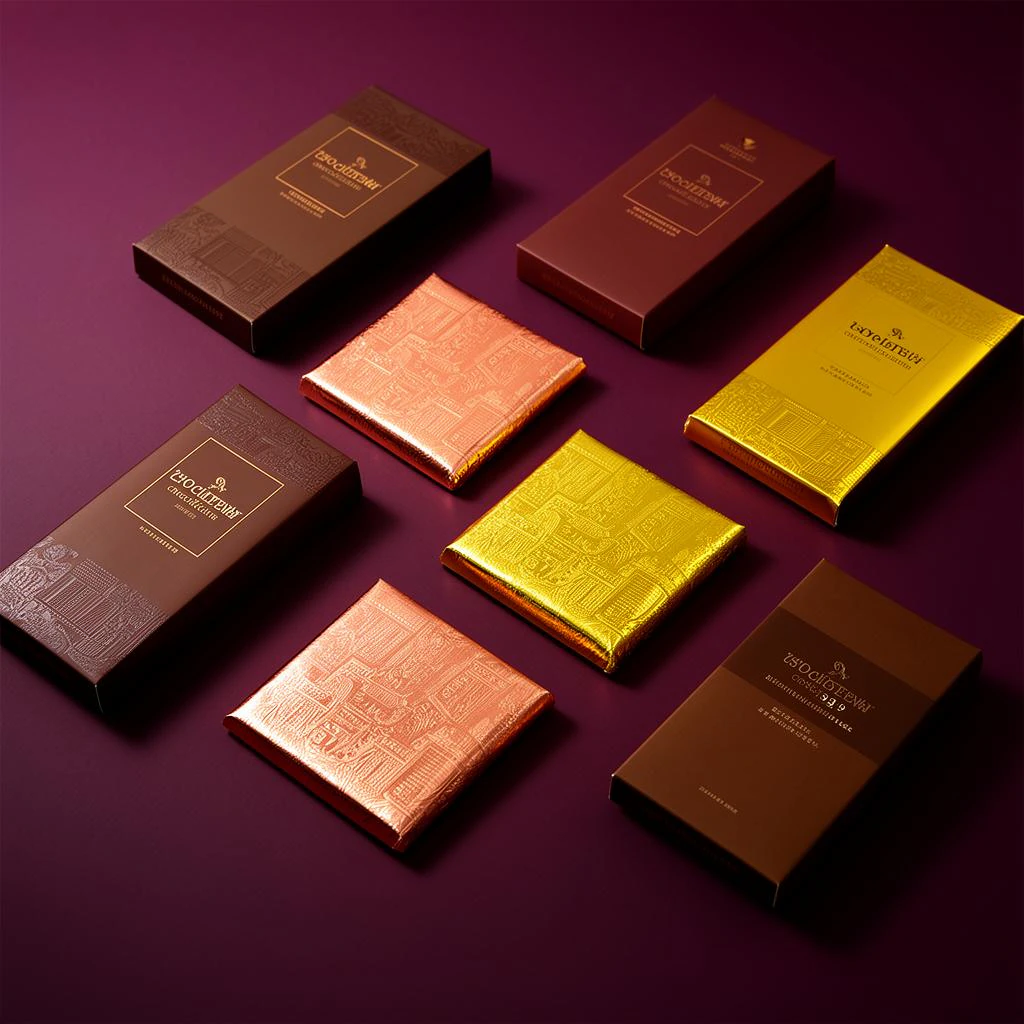
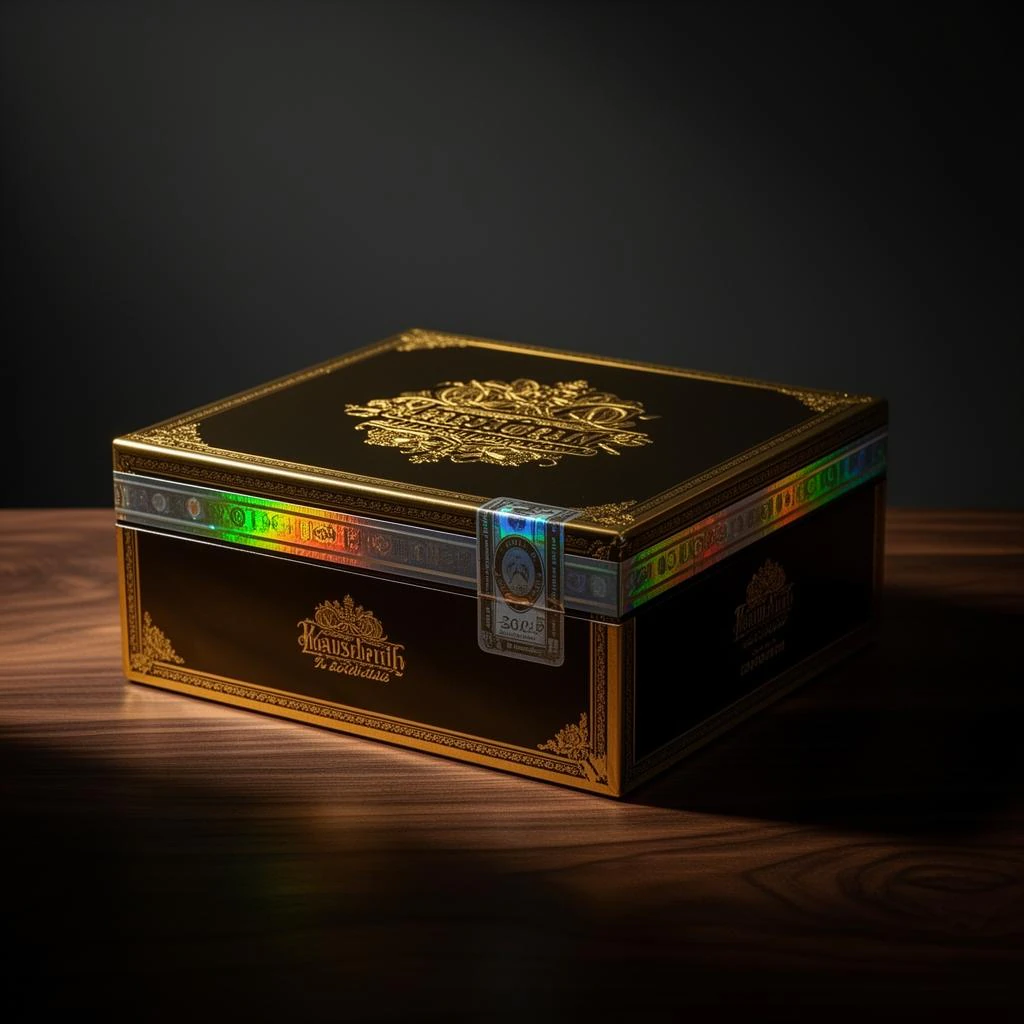
Where cold foil stamping is used
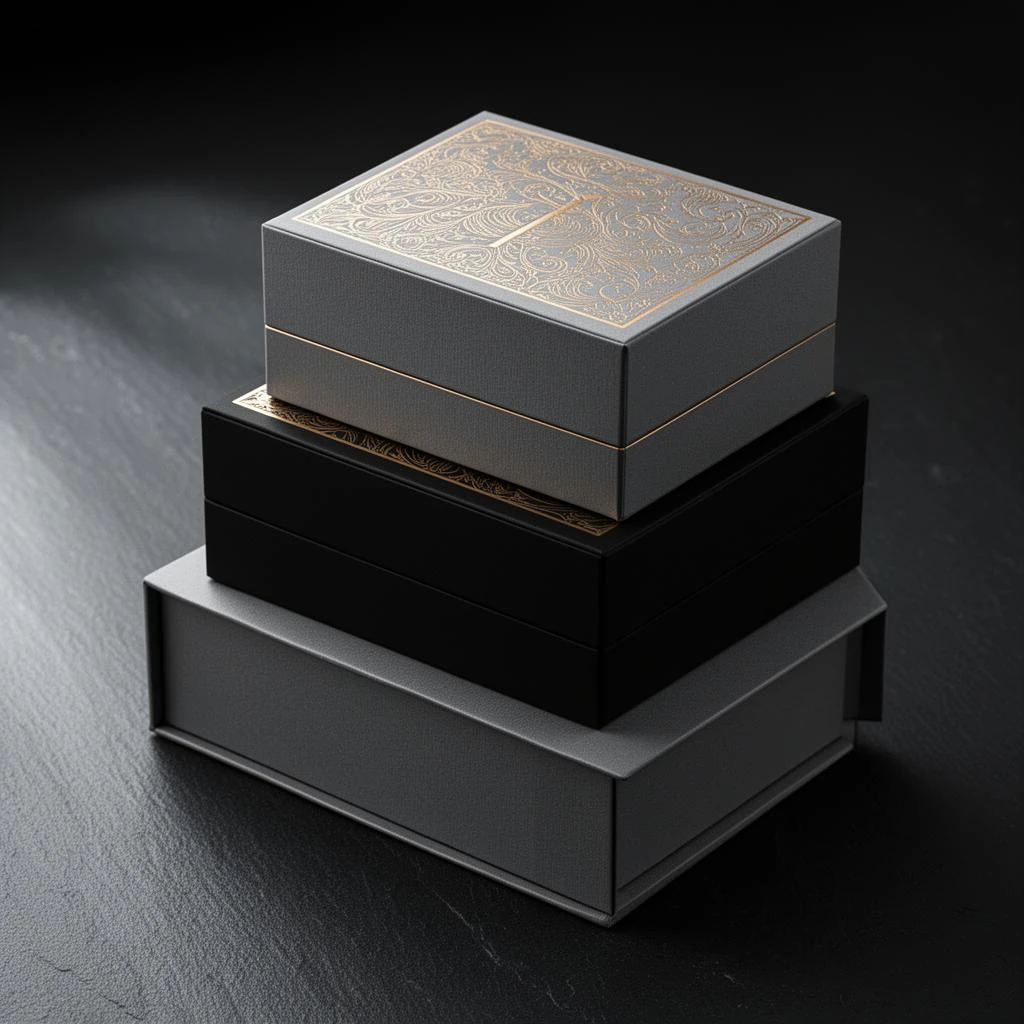
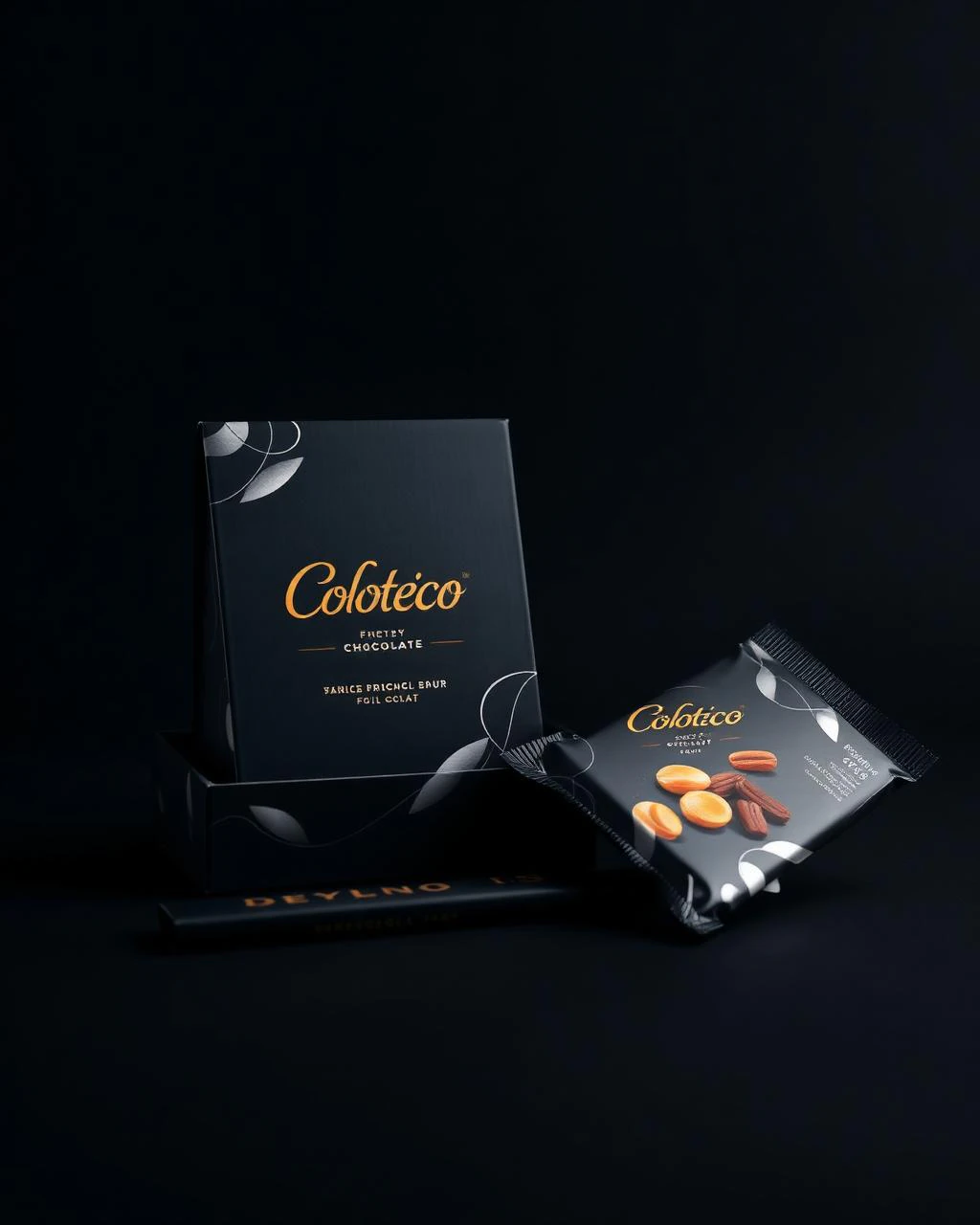
Cold foil dominates high-volume decorative packaging where inline speed, CMYK overprint and PPWR-friendly mono-material recyclability all matter at once.
03e · Troubleshooting
Common cold foil defects and what causes them
| Defect | Likely cause | Fix |
|---|---|---|
| Pinholes in foil | Under-cure or low adhesive coat weight | Increase UV lamp power; raise anilox volume to 8–10 BCM |
| Ragged edges / hairlines | Worn flexo plate or excessive nip pressure | Replace plate; reduce nip 0.1–0.2 mm; check trapping in artwork |
| Dull / hazy finish | Wrong foil grade or contaminated substrate | Switch to a cold-release foil; clean web; verify dyne level ≥ 38 |
| Foil flaking after overprint | Incompatible OPV / cationic vs free-radical mismatch | Match chemistry families; add an intercoat primer |
| Poor register vs CMYK | Substrate stretch in laminating nip | Reduce web tension; pre-condition stock; verify chill roller temp |
Deeper read: Cold foil stamping machine setup · Prepress for designers · Watch the cold foil stamping process video.
04 · Quick comparison
Cold foil vs hot foil vs metallic ink
| Attribute | Cold foil | Hot foil | Metallic ink |
|---|---|---|---|
| Press speed | Up to 450 m/min | 20–60 m/min | Up to 450 m/min |
| Tooling cost | Flexo plate ~$50–$200 | Brass die $300–$1,500+ | None |
| Setup time | 5–15 min | 30–60 min | 5 min |
| Reflectance | 85–92% | 90–95% | 30–55% |
| Over-printable | Yes (CMYK in-line) | Limited | Yes |
| VOC emissions | Zero (UV cure) | Low | Solvent-based: yes |
| Break-even vs hot foil | From ~5,000 sheets | — | — |
Full cost model: Cost difference between cold foil and hot foil stamping.
05 · Learn cold foil — full library
From definition to designer prepress
What is cold foil?
Definition, layer stack, when it replaces hot stamping or metallic ink.
How does cold foiling work?
UV adhesive → foil lamination → cure → carrier rewind, explained step by step.
Cold foil vs hot foil
Side-by-side comparison: speed, tooling, finish, substrate and total cost.
Hot foil printing — pillar
The counterpart guide: heated-die process, tooling cost, and when hot foil beats cold.
Cold foil printing — pillar
Inline UV-flexo process, press speeds and the cold vs hot decision matrix.
Cost calculator
Interactive calculator for foil cost per 1,000 sheets including waste.
Foil printing buyer's guide
Metallic foil printing in 2026 — methods, finishes, pricing benchmarks.
Cold foil prepress for designers
Spot channel naming, trapping, minimum line weights and proofing.
06 · FAQ
Cold foil — frequently asked questions
What is cold foil?
+
Cold foil is a metallic transfer film applied to paper or board using a UV-cured adhesive at room temperature, instead of a heated brass die. The metallic layer (typically vacuum-deposited aluminium) bonds wherever adhesive is printed by the flexo unit, then the carrier film is peeled away. It runs inline on UV-flexo and offset presses at up to 450 m/min.
What is the difference between cold foil and hot foil?
+
Cold foil uses a printed UV adhesive and no heat or die, so it runs inline at press speed and accepts CMYK overprint. Hot foil uses a heated metal die that physically presses the foil into the substrate, producing a slightly sharper edge and embossed feel but at much lower speed and higher tooling cost. Above ~5,000 sheets, cold foil is typically 30–60% cheaper.
Can cold foil be over-printed with CMYK?
+
Yes — that is one of cold foil's defining advantages. Printing CMYK directly on the silver foil deposit creates tinted metallic golds, coppers, and bespoke brand colours, or builds the full 'rainbow metallic' effect inline in a single pass.
Is cold foil recyclable?
+
Cold foil typically deposits less than 5 g/m² of aluminium, well below the EU PPWR 2027 mono-material recyclability threshold for paper and board packaging. See our dedicated article on cold foil recyclability for the full PPWR analysis.
How fast can cold foil run?
+
Modern inline cold foil modules on UV-flexo presses run at production speeds of 300–450 m/min. Sheet-fed offset cold foil units typically run at 12,000–18,000 sheets per hour.
Start your cold foil project
Request a free swatch book covering all eight metallic tones, holographic and rainbow variants — plus a press-side spec sheet for your converter.